








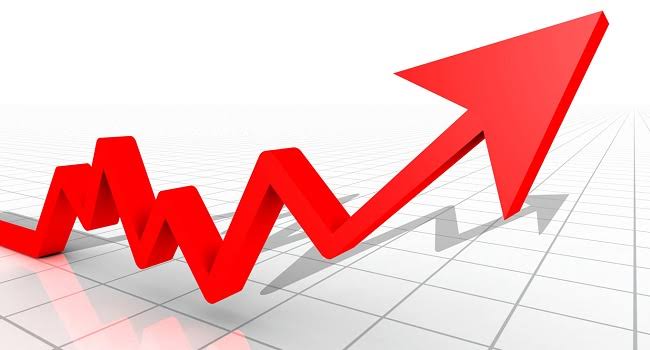



This is definitely not the best of times for Nigeria as its inflation rate has surged from the previous month’s 18.60 per cent to 19.64 percent in July 2022, a latest data by the National Bureau of Statistics (NBS), revealed on Monday.
According to the NBS data, the uptick in the inflation rate was driven by increases in the food and core indexes.
Persecondnews reports that the last time Nigeria’s inflation was above 19.64% was in September 2005 when it rose to 24.32%.
According to the NBS, the rise in food inflation was caused by increases in prices of bread and cereals, food products, potatoes, meat, fish, oil, and fat.
Further breakdown of the report shows that the urban inflation rate rose by 2.08% to 20.09% in July 2022 from 18.01% recorded in July 2021, while the rural inflation rate hit 19.22% from 16.75% recorded in the corresponding period of 2021.
“On a month-on-month basis, the food inflation rate in July was 2.04%, this was a 0.01% insignificant decline compared to the rate recorded in June 2022 (2.05%).
“This decline is attributed to a reduction in the prices of some food items like Tubers, Maize, Garri, and Vegetables.
“The average annual rate of food inflation for the twelve months ending July 2022 over the previous twelve-month average was 18.75%, which was a 1.42% point decline from the average annual rate of change recorded in July 2021 (20.16%),” the agency noted in its latest report.
On inflation rates across states in the country, the report added: “In July 2022, all items’ inflation rate on a year-on-year basis was highest in Akwa Ibom (22.88%), Ebonyi (22.51%), Kogi (22.08%), while Jigawa (16.62%), Kaduna (17.04%) and Borno (18.04%) recorded the slowest rise in headline Year-on-Year inflation.
“However, on a month-on-month basis, July 2022 recorded the highest increases in Adamawa (2.87%), Abuja (2.84%), Oyo (2.77%), while Bauchi (0.82%), Kano (0.83%) and Niger (1.03%) recorded the slowest rise on month-on-month inflation.”
Notably, the highest increases were recorded in prices of Gas, Liquid fuel, Solid fuel, Passenger transport by road, Passenger transport by Air, Garments, Cleaning, Repair and Hire of clothing.
Read Also: NFF President, Amaju Pinnick: No third term for me
Author









Leave a comment