







By Omoyeni Ojeifo
A brighter future is on the horizon for millions of Nigerian children as the Federal Government rolls out the $519.75 million HOPE-EDU Programme – a nationwide effort designed to transform basic education and elevate learning standards.
Yet, full participation requires commitment: Universal Basic Education Commission (UBEC) chief Dr. Aisha Garba highlighted that states failing to bring their ongoing educational projects in line with the initiative’s standards risk missing out on the funding.
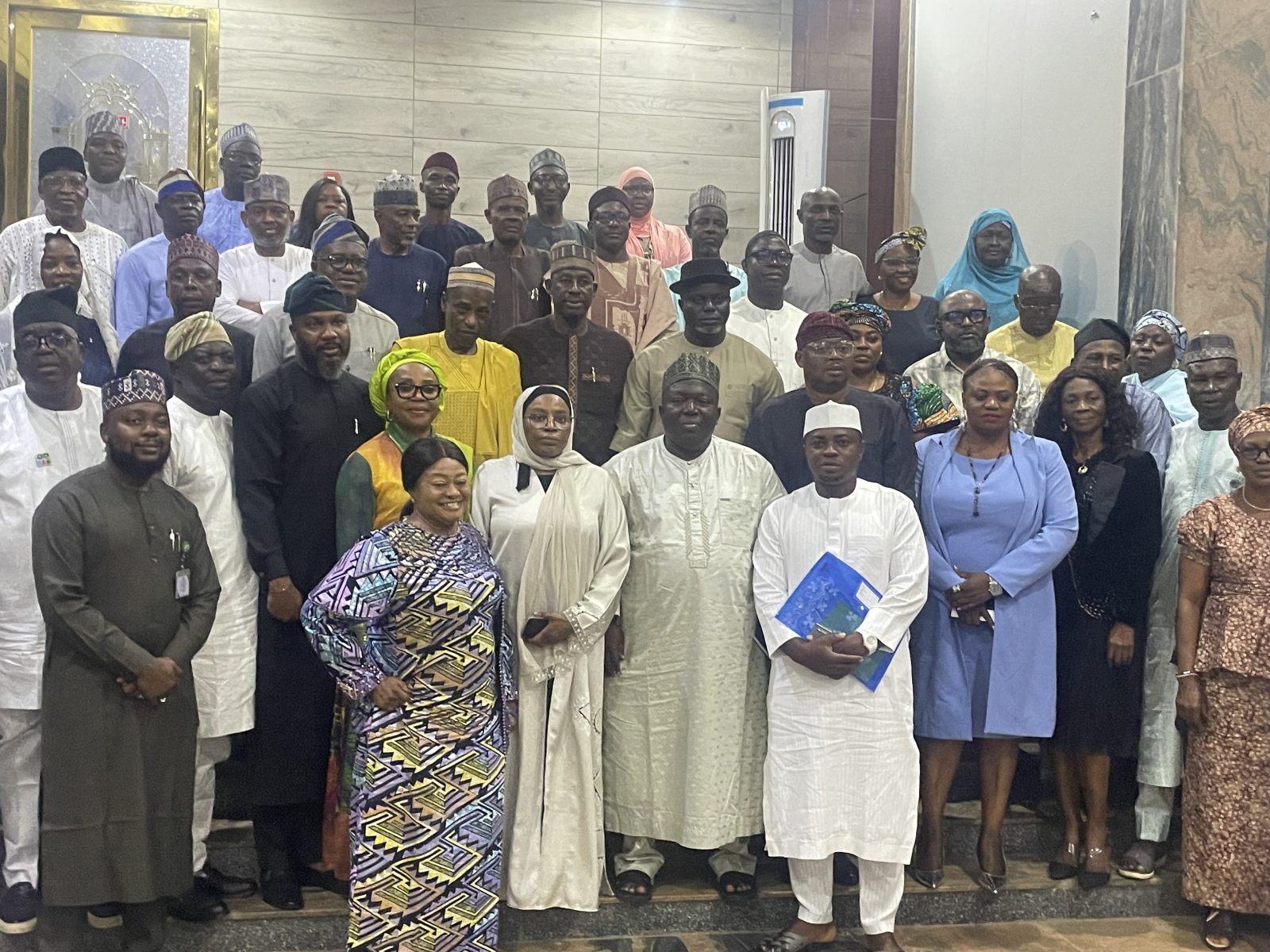
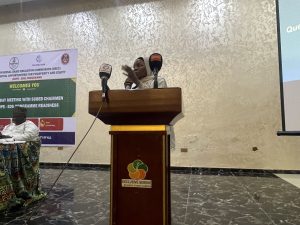
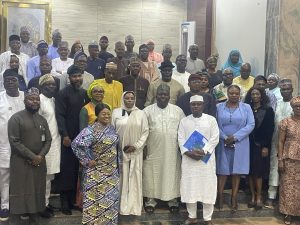
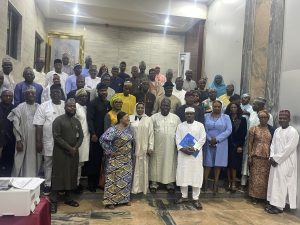
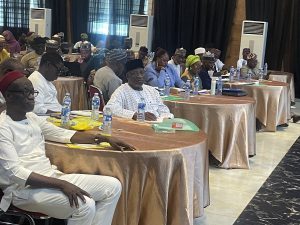
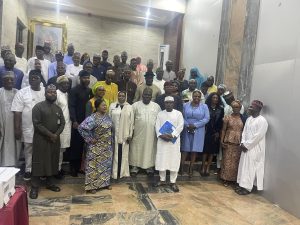
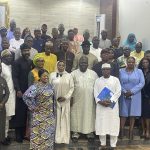
PerSecondNews correspondent reports that Garba made the observation at a two-day meeting with State Universal Basic Education Boards (SUBEBs) chairmen on readiness for the Federal Government’s Human Capital Opportunities for Prosperity and Equity (HOPE-EDU) Programme in Abuja, on Tuesday.
“You are already doing it, regardless of whether both are involved or not. But if you don’t close in, you will lose money for that,” Garba said, explaining the financial consequences of failing to align existing activities with programme requirements,” she said.
She explained that the programme does not provide advance payments, making the completion of initial activities critical for states seeking access to funding.
“One important thing why I want you to achieve the Year Zero is because on the whole there is no advance. You need to understand that and prepare your state accordingly.”
Garba also emphasised state ownership, explaining that HOPE-EDU should strengthen existing education systems rather than establish parallel structures that could disappear after external funding ends.
“For me, it’s important that the state own this project. Whatever we say here, you have the right place. No, let’s do it this differently,” she said, highlighting the need for states to adapt implementation to local realities, she added.
According to her, the programme has three result areas, with $262.239 million allocated to improving education quality, $123.9 million to increasing access and $133.611 million to enhancing key systems.
The allocations amount to $519.75 million across the three result areas, which have different eligibility requirements for states and the Federal Capital Territory (FCT).
She explained that the quality component is open to three states and the FCT, subject to participation in HOPE-GOV operations, with possible expansion to all 36 states over time.
The access component targets 15 states with the largest out-of-school-child populations that meet other eligibility requirements, while the systems component is open to all 36 states and the FCT.
Under the programme, literacy and numeracy instruction in participating states is to be strengthened through a Structured Pedagogy Programme.
Garba highlighted the importance of state budgetary provisions, particularly in the 2027 budget, because some disbursement indicators depend on states making the necessary allocations.
She urged SUBEB chairmen to brief their state executives on the programme’s requirements and secure the political and financial support needed to achieve its targets.
Giving an overview of the program, programme manager, Mayowa Aleshin, outlined additional requirements for states, including approved teacher training and mentoring plans, learning assessments and independent verification of pupils’ literacy and numeracy outcomes.
“The Local Government Education Authority is expected to develop a budgeted training and mentoring plan, which must be approved by the state government. We are also expected to work with the authorities at the local government level to implement the plan,” Aleshin said.
He explained that structured pedagogy must improve teachers’ knowledge and translate into better literacy and numeracy outcomes, with states required to establish learning assessment mechanisms and document the results.
“States must establish learning assessment mechanisms, document and publish the results, and ensure independent verification of pupils’ learning outcomes,” he said.
Author


Leave a comment