













By Omoyeni Ojeifo
The National Drug Law Enforcement Agency (NDLEA) says it is strengthening its canine drug-detection capacity with German technical expertise, as it plans to deploy more service dogs and personnel across the country’s major entry points.
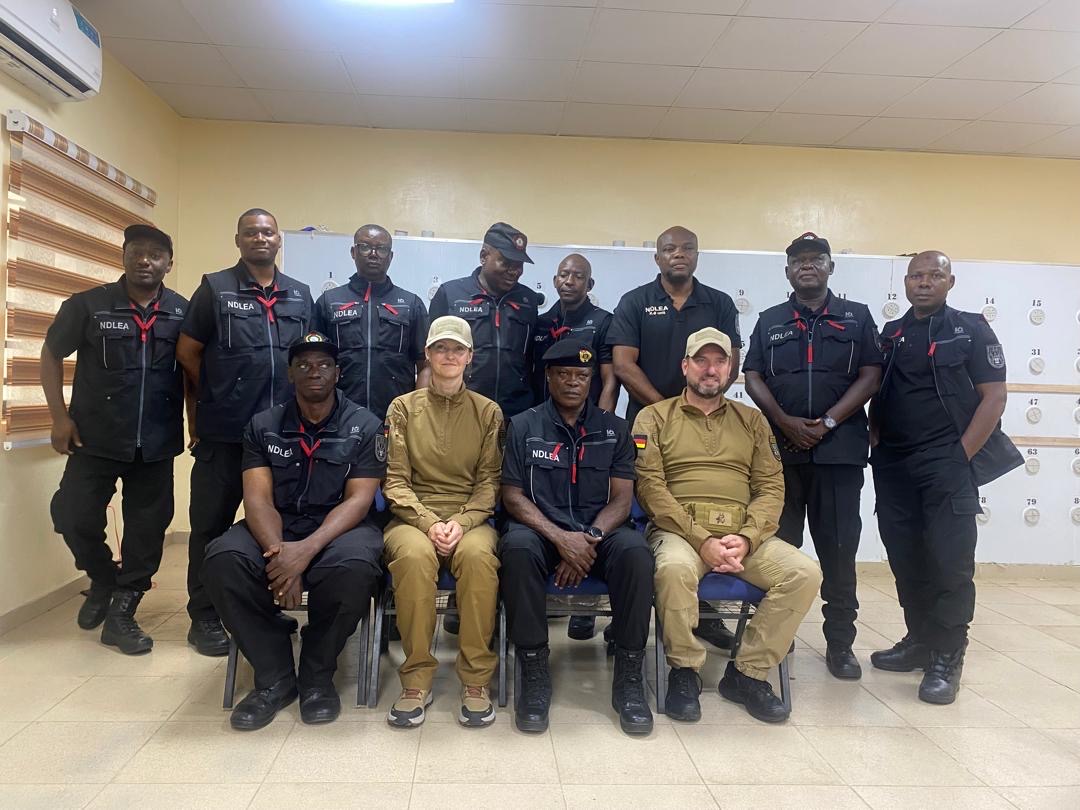
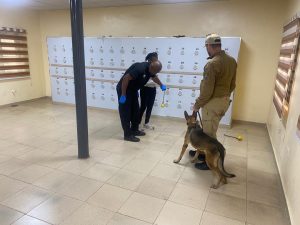
According to the agency, the move followed a refresher training for Canine Unit handlers, organised in collaboration with the German Bundeskriminalamt, BKA, to sharpen the operational skills of handlers and their service dogs in narcotics detection.
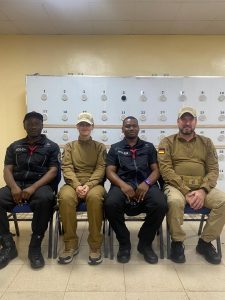
Facilitated by German experts Andreas Roscher and Jacqueline Shüler, the exercise integrated international best practices into operations at the NDLEA Canine Unit Facility in Lagos.
NDLEA Director of Media and Advocacy Femi Babafemi disclosed this in a statement issued on Saturday and sent to PerSecondNews.
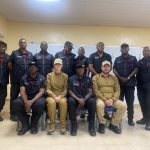
“Eleven Canine Unit personnel, comprising the Unit Commander, two veterinary doctors and eight dog handlers, participated alongside their service dogs, while five other officers from Commands within Lagos also joined the course,” it stated.
The course focused on advanced obedience and control, narcotics detection techniques, scent imprinting, search patterns, as well as handler safety and the deployment of canine assets in high-risk situations.
As part of the practical sessions, participants carried out real-life simulation exercises at the Murtala Muhammed International Airport baggage hall, APM Terminals Apapa and the MMIA NAHCO export shed.
Retired Brig.-Gen. Mohamed Buba, NDLEA Chairman/CEO, identified the exercise as a key measure towards strengthening the Agency’s workforce and enhancing its capacity to confront increasingly sophisticated drug trafficking networks.
“Our canine teams remain one of the most potent assets in our detection and interdiction efforts, and this is why we will continue to invest in their retraining and welfare,” Marwa stated.
He explained that the dogs and their handlers have contributed to narcotics interceptions at airports, seaports and border points, adding that the partnership with the German counterparts would further strengthen the Agency’s operational capacity.
“The successes we have recorded at our airports, seaports and border points in intercepting concealed narcotics are in no small measure due to the dedication and sharpened instincts of our dogs and their handlers,” Marwa added.
Marwa also highlighted manpower and logistics challenges facing the Canine Unit, including the need for more service dogs, personnel and boarding facilities to adequately cover the country’s seaports, international airports and land borders.
He added that plans were underway to address the gaps, in line with the recommendation that the refresher training be sustained as an annual exercise.
Author








Leave a comment