











By Omoyeni Ojeifo
Media professionals have been advised to strengthen their personal safety protocols and safeguard sensitive sources, as industry experts caution that careless information handling, poor situational awareness, and predictable routines can put reporters in direct danger.
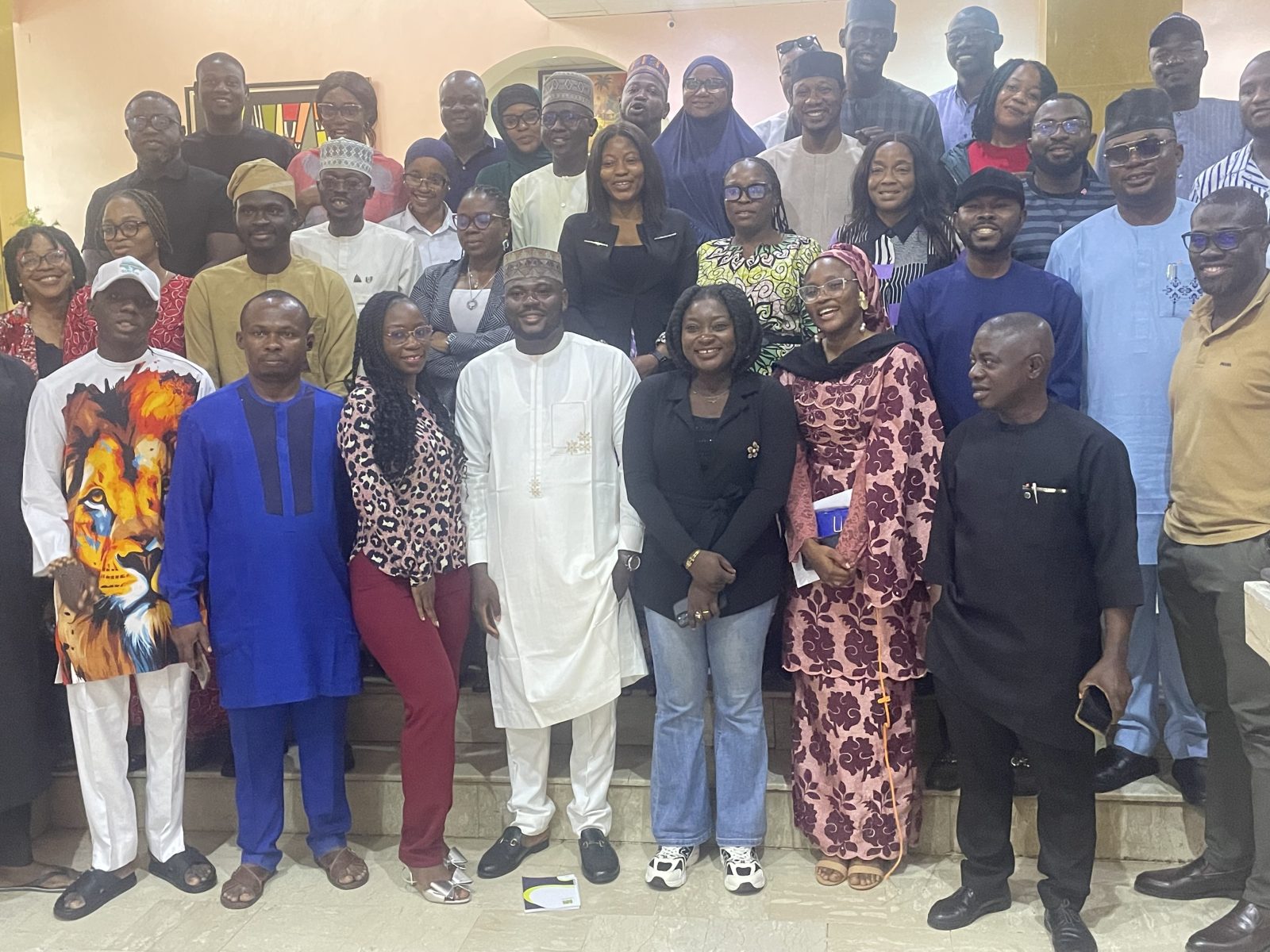
The call to action came on Thursday during the second day of a Global Rights workshop focused on security awareness, risk assessment, news verification, and conflict-sensitive reporting with PerSecondNews correspondent as a participant.
Speaking at the training, security consultant Mr. Hafez Yesufu emphasized that journalists operating in volatile or hostile environments must cultivate sharp personal, third-party, cultural, and situational awareness to effectively navigate potential threats.
According to him, unusual patterns around a journalist’s accommodation or movement routes should not be dismissed, as they could provide early indications of surveillance or other security threats.
“For everything you do, everywhere you go, be aware that the person next to you is judging you, observing you and looking for vulnerabilities they can exploit. Always have that in your mind,” he said.
Yesufu said journalists should not dismiss repeated encounters or unusual developments around their accommodation, transportation or field locations, as such patterns could provide important warning signs.
“You need to be aware of such things. You may notice a vehicle following your car, or someone sitting outside your hotel for hours. These are things situational awareness should help you identify.”
He further advised journalists to exercise restraint at checkpoints, saying their conduct in such environments could determine how quickly they pass through or whether they attract unnecessary attention.
“In most checkpoints, you have to understand that most checkpoints are highly volatile spaces or areas. You only speak if you have been spoken to, and that is if you are the driver,” he added.
Yesufu introduced the OODA Loop, a security framework developed by retired United States Air Force Colonel John Boyd, which helps individuals process changing circumstances before determining an appropriate response.
“The OODA is an acronym. The first O stands for observation, the second O stands for orientation, which is processing what you have seen. The D is decision, and A is action.”
Yesufu cautioned that personal biases, cultural assumptions and preconceived ideas about potential attackers could affect how journalists interpret threats and make decisions during dangerous situations.

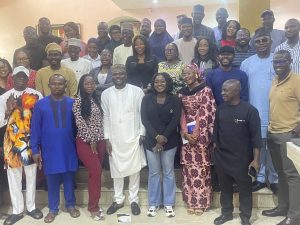
Also speaking, Investigative journalist Daniel Ojukwu urged reporters to assess the risks associated with information supplied by sources before publishing details that could expose either the source or journalist.
“It is your job as a journalist to recognise the risk they do not see. You have to evaluate the risk and say, ‘If I put this person’s name in this report, it is bad for this person. You help the source understand that there are dangers to putting them out like that.”
Ojukwu recalled his experience covering the Kuriga school abduction in Kaduna, saying the incident reinforced the importance of controlling information about journalists’ movements, accommodation and contacts.
“Sometimes you might have a close friend, a close ally, just giving away your address could put you in trouble. Letting them know too much about you could put you in trouble.”
He urged journalists to integrate verification, personal security and conflict-sensitive reporting into their work, including using Google Earth Pro to examine locations, terrain and possible movement routes.
The training also emphasised the importance of integrating security considerations into reporting decisions, particularly when journalists operate in unfamiliar locations or cover sensitive conflict-related developments.
PersecondNews reports that participants were also urged to monitor their surroundings, avoid predictable routines, protect sensitive information and recognise unusual developments that could indicate increased exposure to threats.
Author









Leave a comment