











By Omoyeni Ojeifo
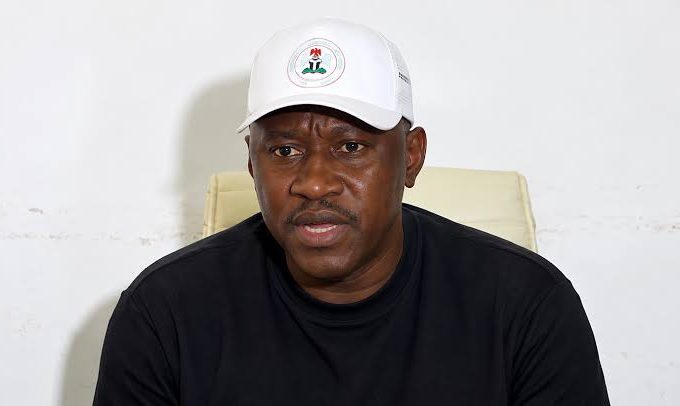
Without specific laws governing artificial intelligence, Nigeria faces significant challenges in tackling digital manipulation before the 2027 general elections, warned legal expert Dr. Olumide Babalola.
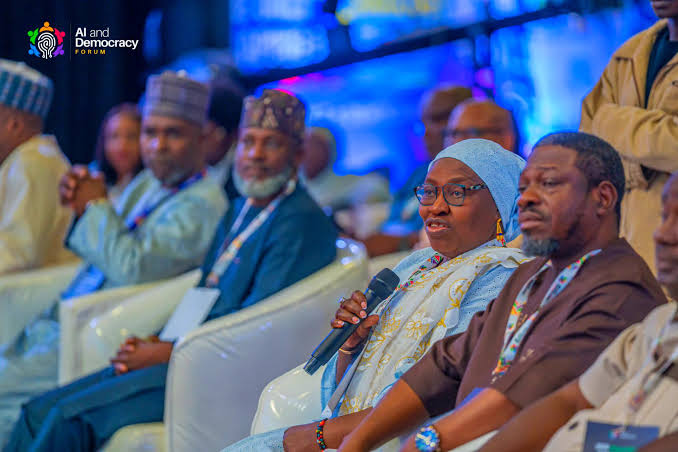
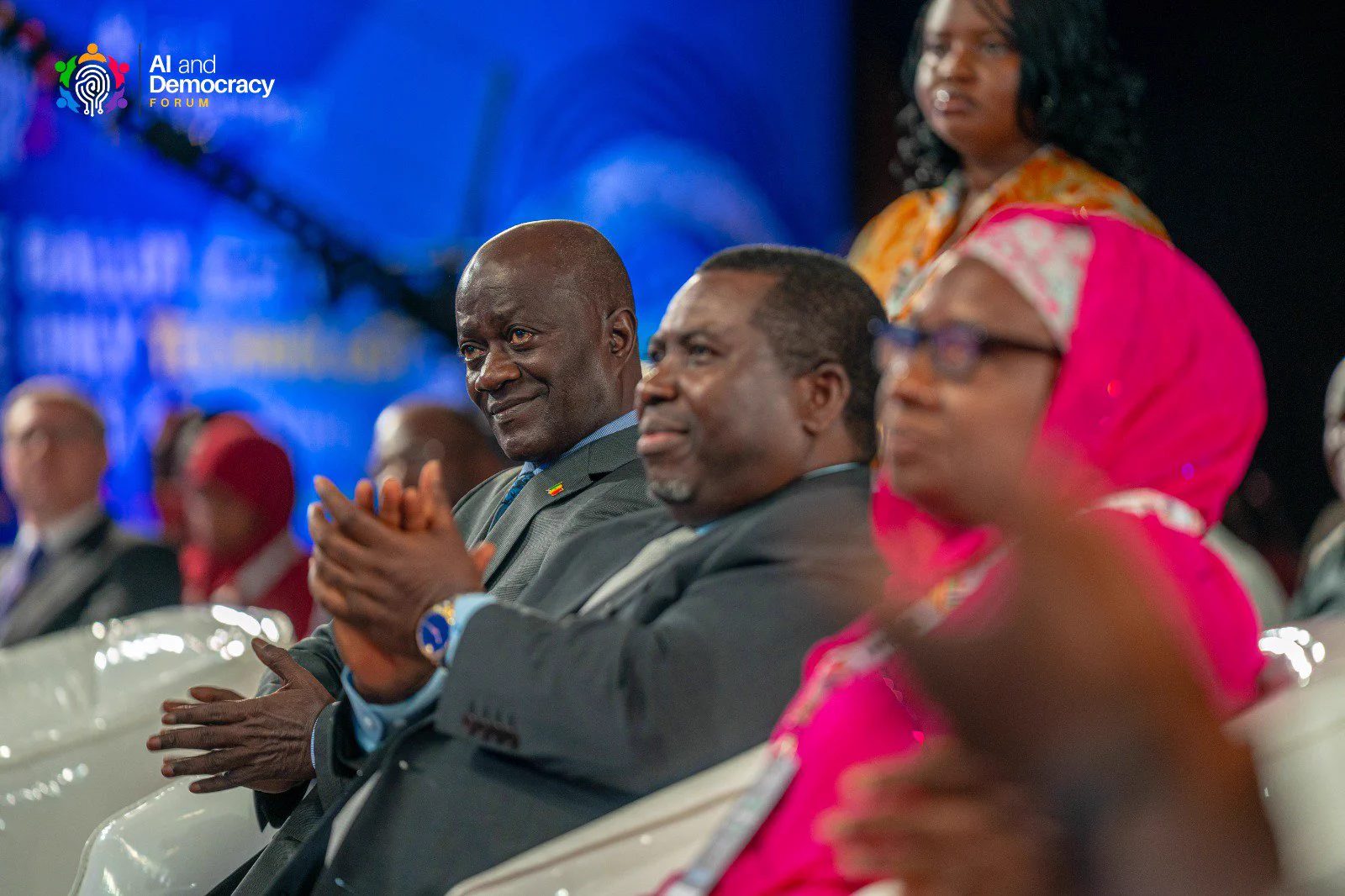
Speaking at Yiaga Africa’s AI and Democracy Forum 2026 in Abuja on Wednesday, Dr. Babalola highlighted these concerns during his masterclass on platform accountability and digital gatekeepers.
He warned that artificial intelligence, deepfakes and other forms of synthetic media could be exploited to spread false information and manipulate public opinion during elections.
“Right now, Nigeria does not even have a law regulating artificial intelligence. So we say a whole lot about it, but the principal law that should regulate it, we do not have,” he said.
Babalola also questioned the accountability of technology companies operating in Nigeria, citing difficulties victims encounter when seeking remedies for abuses committed through digital platforms.
“Tech companies, big tech, should have presence in Nigeria. They should have offices. They should have liaison officers that you can engage when these issues arise,” he stressed.
He also raised concerns about the extent to which digital platforms collect personal information and how that information could be used to influence individuals.
“Whoever has your data has a huge control over your life, a lot, because they have your information. The things you would not want the public to know, they know,” he emphasized.
According to Babalola, misleading election messages could shape voters’ perceptions of candidates’ popularity and influence their choices at the polls.
“Sometimes it is not only the casting of votes that influence elections. Sometimes it’s even the information that people pass on all these platforms that even sometimes influence elections,” he said.
He also demanded greater transparency in political advertising, arguing that voters should be able to identify the sponsors of campaign messages circulating online.
“Who paid? Who sponsored the message? So, you can’t just send me a message and say I should vote for something. Who is actually behind that message?” he asked.
He questioned the transparency surrounding electoral technology, including the ownership, development and security of digital platforms used in election administration.
The lawyer further raised concerns about algorithmic bias, arguing that automated moderation systems could misinterpret Nigerian cultural expressions and wrongly restrict users’ accounts.
He maintained that stronger oversight, transparency and effective enforcement of existing laws were necessary to address digital risks ahead of the 2027 general elections.
PerSecondNews correspondent also reports that the discussion comes as the Independent National Electoral Commission (INEC) has announced plans to use artificial intelligence in election administration ahead of the 2027 general elections, raising questions about regulation, transparency and safeguards against digital manipulation.
Author










Leave a comment