















By Omoyeni Ojeifo
Nigeria’s implementation of the Financial Action Task Force (FATF) “Recommendation 8” has been presented as a model for African countries seeking to strengthen measures against terrorist financing while protecting legitimate non-profit organisations.
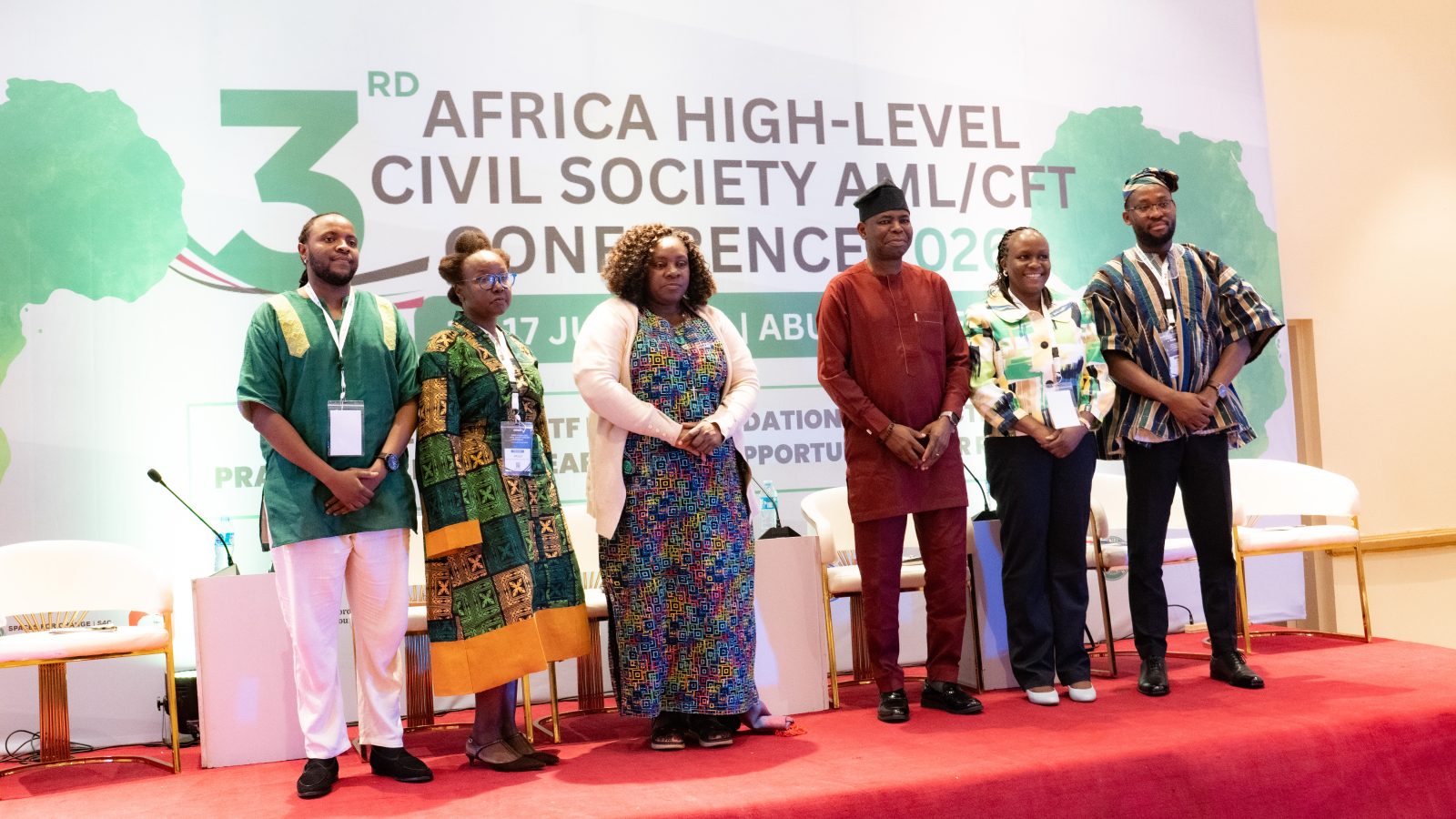
Persecondnews correspondent reports that the position was highlighted during the first plenary session titled, “Positive Practices in the Implementation of FATF Recommendation 8: Lessons from Africa,” on the second day of the High-Level Regional Event on Risk Assessment of Non-Profit Organisations (NPOs) in Abuja on Thursday.
Speaking at the session, President of the Multivariate Compliance and Resource Centre, Nigeria, Dr. Buno Nduka, said the country’s progress resulted from coordinated reforms involving government institutions, regulators, civil society and the private sector.
“Nigeria is the only country so far that has attained a compliance rating on Recommendation 8. We understood the FATF requirements and adopted a whole-of-country approach because it was not an NFIU problem alone. Everybody had to be involved,” he said.
Nduka noted that Nigeria strengthened existing institutions, introduced legal and policy reforms, built capacity across relevant agencies and established technical working groups to improve compliance with evolving international standards.
He said reforms also included strengthening the Terrorism (Prevention and Prohibition) Act, establishing the Nigerian Sanctions Committee and working closely with civil society organisations to improve awareness and implementation of Recommendation 8.
“The fact that we have come out of the grey list does not mean that we cannot go back again. We must maintain the momentum, continually review the standards and adapt them to our local realities and environment,” he said.
Offering a continental perspective, Senior Programme Officer at the African Union Counter Terrorism Centre, Algiers, Richard Apau, said the African Union was helping member states strengthen implementation of FATF Recommendation 8 through technical assistance, field assessments and capacity building.
“From the African Union perspective, we build the capacity of member states to comply with regulations that ensure terrorist groups do not have access to financing. We conduct field mission assessments using the FATF Recommendations as key benchmarks,” he said.
Apau said effective implementation of Recommendation 8 required governments to adopt a balanced, risk-based approach that protects legitimate humanitarian and civil society organisations while preventing terrorist financing.
“Where legitimate civil society organisations are unnecessarily denied access to vulnerable communities, there is a risk of creating conditions that terrorists can exploit.”
“Our approach is to promote a balanced, risk-based framework that protects humanitarian access while preventing terrorist financing.”

Also sharing Kenya’s experience, Programmes Manager at the Centre for Human Rights and Policy studies, Brian Kimari, said early collaboration between governments and civil society had helped transform FATF reforms into opportunities for stronger oversight and engagement.
“Evidence buys proportionality. Grey-listing and reform pressure, when addressed early and collectively by government and civil society, can become a lever for positive change rather than restrictive action,” he said.
On her part, the Executive Director of the Centre for Learning and Capacity Building for Civil Society, Mozambique, Paula Monjane, said implementation of Recommendation 8 had created legislative challenges for civil society organisations in her country.
“Since Mozambique was placed on the FATF grey list in 2022, FATF recommendations have often been used to justify restrictive measures against civil society. Even after leaving the grey list, the recommendations continue to be cited as a basis for greater control,” she said.
Programme Manager at the Zambia Council for Social Development, Leah Mitaba, said restrictive legislation and financial regulations were creating barriers for civil society organisations and limiting access to financial services.

“The financial sector has introduced a lot of restrictive measures, which is resulting in financial exclusion. What is encouraging, however, is that state actors, non-state actors and the private sector are now agreeing on the need for collaboration,” she said.
Persecondnews also reports that speakers agreed effective implementation of FATF Recommendation 8 depends on strong legal frameworks, institutional coordination, evidence-based policymaking and a risk-based approach that prevents terrorist financing without undermining legitimate non-profit organisations.
The three-day High-Level Regional Event on Risk Assessment of Non-Profit Organisations continues in Abuja and will end on Friday with further discussions on strengthening Africa’s response to money laundering and terrorist financing risks involving the non-profit sector.
Author











Leave a comment