













By Omoyeni Ojeifo
African civil society organizations must actively collaborate with governments and financial regulators on the continent on financial crime reforms, experts urged Tuesday.
Speaking at an Abuja pre-masterclass hosted by Spaces for Change (S4C), advocates stressed that NGOs need a seat at the table to ensure anti-money laundering and counter-terrorism financing (AML/CFT) laws tackle illegal networks without accidentally restricting legitimate humanitarian aid.
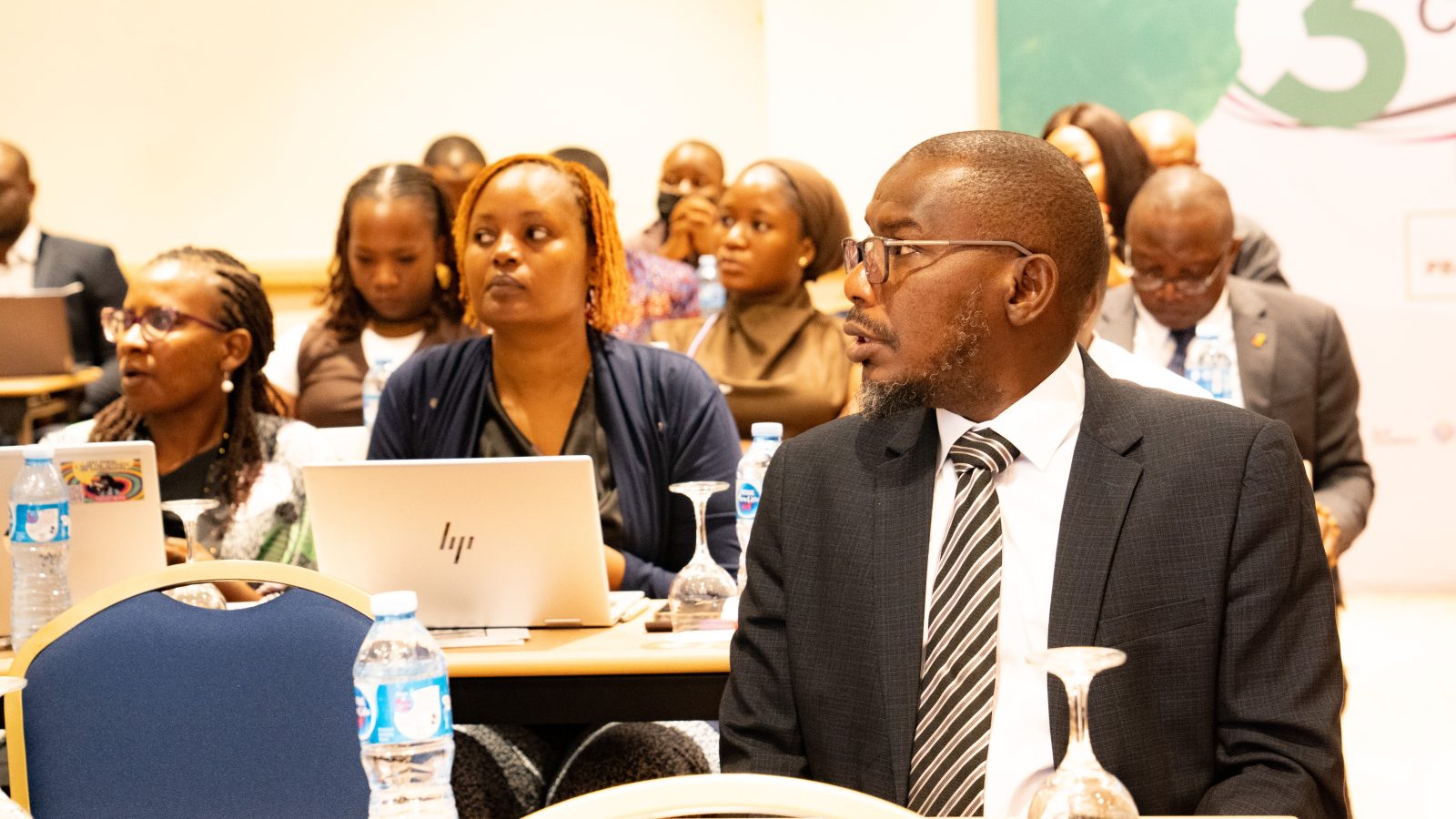
Persecondnews correspondent covering the event reports that it served as a curtain-raiser for the upcoming 3rd Africa High-Level Civil Society Conference on AML/CFT.
The conference, themed “Implementing FATF Recommendation 8 Correctly: Practices, Lessons Learned and Opportunities for Reforms,” examined how African countries can strengthen compliance with international standards while safeguarding civic space and humanitarian activities.
Addressing participants, Victoria Ibezim-Ohaeri, Executive Director of Spaces for Change (S4C), Nigeria, urged civil society organisations to actively participate whenever governments conduct national risk assessments, saying NGOs have a responsibility to provide data and practical information that can improve policy decisions and prevent unintended restrictions on legitimate organisations.
“No matter the country you operate in, when there is a risk assessment going on, get involved. Provide information that will help governments make better decisions because many assumptions made about the sector are simply not correct,” she said.
According to her, many government officials often misunderstand how international grants work, leading to exaggerated perceptions about the financial capacity of non-profit organisations and influencing regulatory decisions.
“People see a one-million-dollar grant on a website and think the organisation received one million dollars at once. It could be a five-year grant released in stages. Without engagement, governments can make decisions based on incomplete information.”
The executive director also said African governments were beginning to improve collaboration with civil society, citing Nigeria’s experience where advocacy by non-profit organisations contributed to a fresh national risk assessment and a more targeted regulatory framework.
Also speaking, the Deputy Director of Human Security Collective, Netherlands, Fulco van Deventer, said the global approach to civil society had shifted from viewing non-profit organisations as potential risks to recognising them as critical partners in preventing violent extremism.
“NGOs are no longer seen as potential terrorists or those disguising terrorists. They are now recognised as part of the solution and partners in preventing terrorism and countering violent extremism,” he said.
Van Deventer cautioned against policies that undermine humanitarian organisations.
“If Recommendation 8 stops peacebuilders from doing their work, it is not only ineffective; it is counterproductive.”
In her address, Programme Coordinator of Community World Service Asia, Pakistan, Hina Gul Roy, shared her country’s experience, warning that hurried legislative reforms had created significant challenges for civil society organisations.
“These laws were passed at speed to meet FATF deadlines. It was a compliance sprint, not a deliberative process, and civil society was not taken on board,” she said.
Gul Roy said her organisation responded by establishing help desks to guide non-profit organisations through complex regulatory requirements.
“Before we established the help desks, only about 60 NGOs had secured the required Memorandum of Understanding. Today, around 1,000 NGOs across Pakistan have obtained it through this initiative.”
On his part, Civic Advisory Hub, Uganda, Yona Wonjala, said sustained dialogue with regulators had produced reforms in several African countries, replacing confrontation with constructive engagement on financial crime regulations.
“We realised that instead of politicising every regulation, civil society should engage regulators directly. Through dialogue, Uganda removed NGOs from the list of accountable persons under the AML framework,” he said.
Wonjala said the engagement model had expanded beyond Uganda, with South Sudan, Botswana, Zambia and Zimbabwe adopting similar reforms through continuous collaboration with governments and oversight agencies.
He warned that many African countries rushed to pass laws simply to exit the Financial Action Task Force (FATF) grey list, sometimes introducing measures that failed to reflect international standards.
“Nigeria is one of the countries compliant with FATF Recommendation 8. From our engagements across Africa, Nigeria stands out, and the rest of the continent has a lot to learn from its approach,” Wonjala said.
Highlighting the security dimension, Technical Assistant to the Director of the Special Control Unit Against Money Laundering (SCUML), Temitope Erinomo, said Africa’s changing security landscape demanded stronger collaboration among governments, regulators and civil society organisations as terrorist groups continued expanding across the region.
“The resources that are dwindling are now being shared between the North-East, the North-Central and the increasing theatre of terrorist activities in North-Western Nigeria,” Erinomo said.
He said the evolving security situation underscored the need for coordinated efforts to protect legitimate non-profit organisations while strengthening anti-money laundering and counter-terrorism financing measures across Africa.
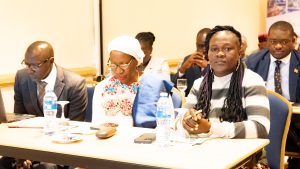
The speakers called for sustained dialogue between regulators, governments and civil society organisations, urging non-profit groups to provide evidence-based input and collaborate with authorities to strengthen efforts against money laundering and terrorism financing across Africa.
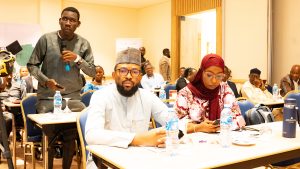
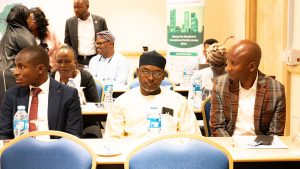
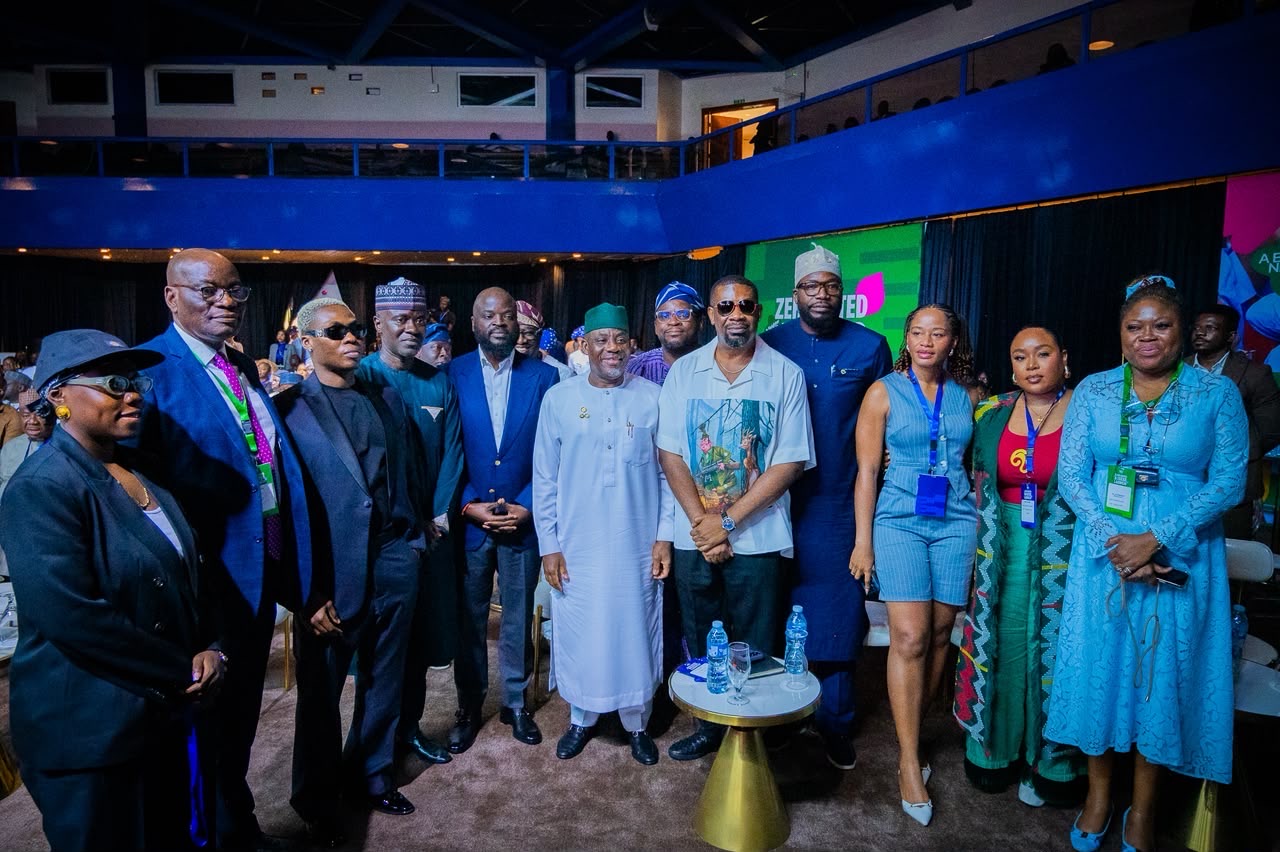
Persecondnews correspondent reports that the high-level pre- masters class was attended by civil society representatives, regulators, anti-money laundering experts and stakeholders from across Africa, who examined ways to strengthen the implementation of FATF Recommendation 8 while protecting legitimate non-profit activities.
Highlights of the event included the presentation of awards to the President of Nigeria, the President of Ghana, the Executive Director of Spaces for Change and four other recipients for their contributions to strengthening anti-money laundering and counter-terrorism financing efforts, alongside a drama troupe presentation that added colour to the high-level gathering.
The full 3rd Africa High-Level Civil Society Conference on Anti-Money Laundering and Countering the Financing of Terrorism (AML/CFT) is scheduled to begin on Wednesday, July 15 will end on Friday, July 17.
Author







Leave a comment