
















Security stakeholders in the FCT have emphasized that the police cannot tackle crime alone, urging communities to shift from passive observers to active partners in safeguarding lives and property.
This call to action dominated the first anniversary celebration of the Police Community Relations Committee (PCRC), Zone 7 Headquarters in Abuja.
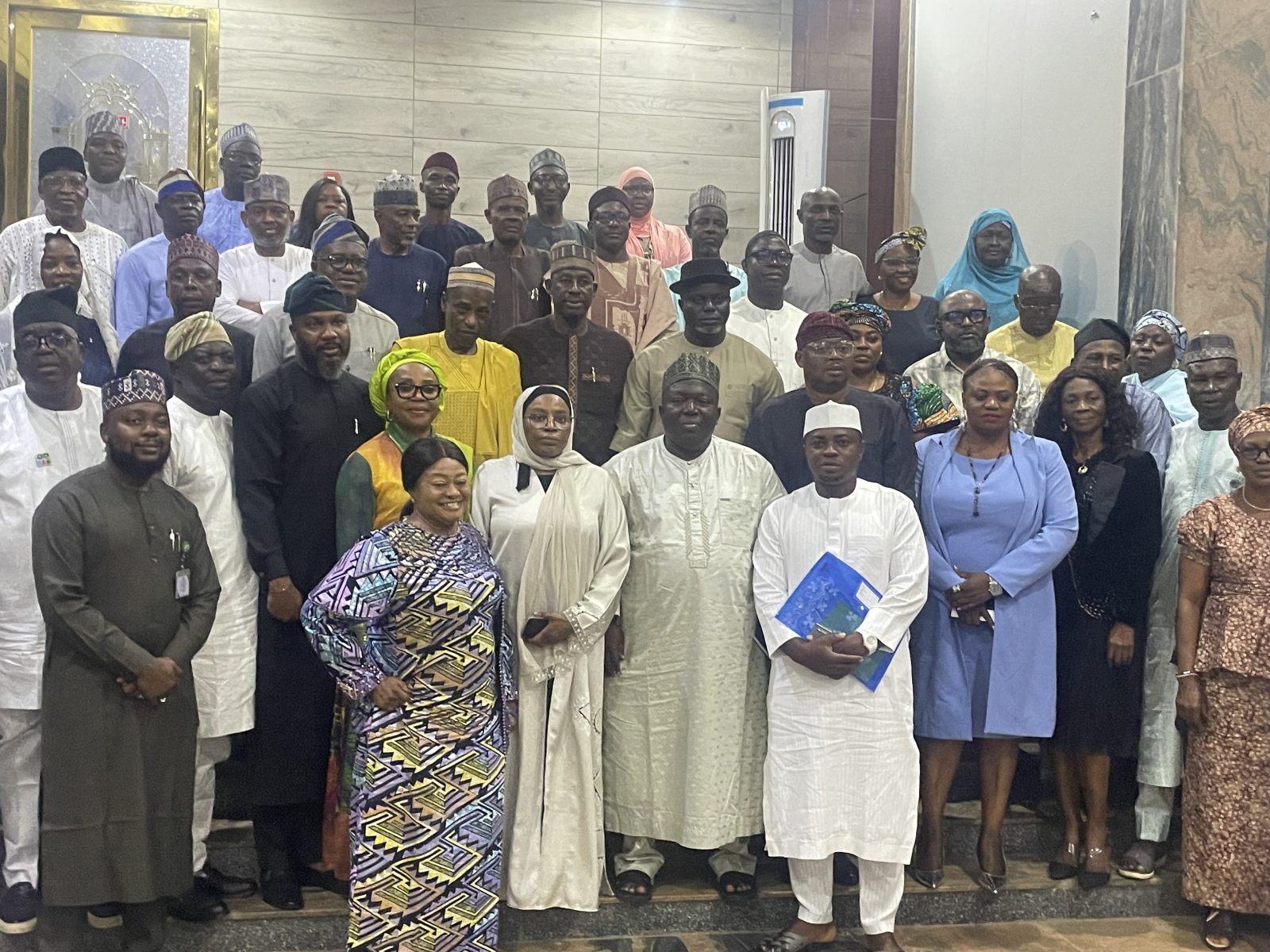
Persecondnews correspondent at the event reports that the occasion brought together senior police officers, traditional rulers, civil society groups, and youth leaders to review a year of community policing initiatives across the FCT and Niger State.
The event, themed “Stakeholders Mapping and Engagement in Community Policing,” focused on strengthening collaboration between law enforcement agencies and citizens amid evolving security challenges in Nigeria.
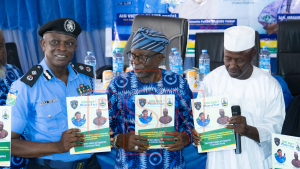 Delivering a keynote address, the Assistant Inspector General of Police for Zone 7, Victor Olaiya, emphasized that modern policing has evolved beyond traditional law enforcement.
Today, he noted, effective security relies heavily on public participation, trust, and shared responsibility.
“Security is not the sole responsibility of the police; it is a collective duty that demands the participation of all stakeholders,” Olaiya said.
According to him, effective stakeholder mapping enables security agencies to identify critical individuals, groups and institutions capable of influencing security outcomes within communities.
He noted that over the past year, strategic engagement with community leaders, market associations, educational institutions, youth groups, faith-based organisations and security partners had led to improved intelligence sharing, crime prevention efforts and increased public confidence in policing.
While acknowledging the progress recorded, the AIG warned that emerging security threats, technological advancements, population growth and evolving criminal tactics require stronger partnerships and deeper citizen participation.
“We must continue to foster trust, encourage citizen participation, and ensure that every segment of society has a role in promoting security and social cohesion,” he stated.
 Earlier, Zonal Chairman of PCRC Zone 7, Otunba Bolaji Adigun, reflected on the committee’s first year in office, describing visibility and public awareness as some of the major challenges inherited by the current executive committee.
Adigun revealed that despite PCRC’s existence for more than four decades, many Nigerians were unaware that the organisation operated not only at divisional and state command levels but also at the zonal level where it coordinates and supervises activities across multiple commands.
“One of the first realities we encountered was a visibility challenge. PCRC Zone 7 was doing important work, but it was not sufficiently visible.
“To address this, the committee embarked on extensive stakeholder engagement, familiarisation visits and assessment tours across Area Commands in the FCT and Niger State,” he explained.
According to him, those engagements strengthened communication channels, improved reporting structures, identified underperforming units for reorganisation and secured stronger commitments from both police leadership and community stakeholders.
The PCRC chairman also highlighted several projects executed within the year, including the construction and commissioning of a modern entrance gate and security post at the Zone 7 Police Headquarters, as well as a branded PCRC rostrum aimed at improving institutional identity and visibility during public engagements.
Adigun linked the anniversary theme to the 2026 National Police Day theme, “Community Partnership: Building Trust,” arguing that both initiatives recognise trust as the foundation of effective policing.
“Effective policing is impossible without public trust, and public trust is built through meaningful partnership, consistent engagement, transparency and shared responsibility.”
In his welcome address, PCRC Vice Chairman and Chairman of the Local Organising Committee, Prince Adewale Olayinka, said understanding communities is the first step towards protecting them.
“Mapping helps us to see our community clearly, while engagement helps us build it together.”
He explained that stakeholder mapping involves identifying community hotspots, resources, influential groups and key actors whose cooperation can help security agencies respond more effectively to threats.
“You cannot protect what you don’t understand. When we map our streets, our hotspots, our resources and people, policing becomes smarter, not harder,” he stated.
Olaiya stressed that sustainable security requires replacing mutual suspicion with cooperation, urging citizens to trust police with information and calling on law enforcement to remain open to community concerns.
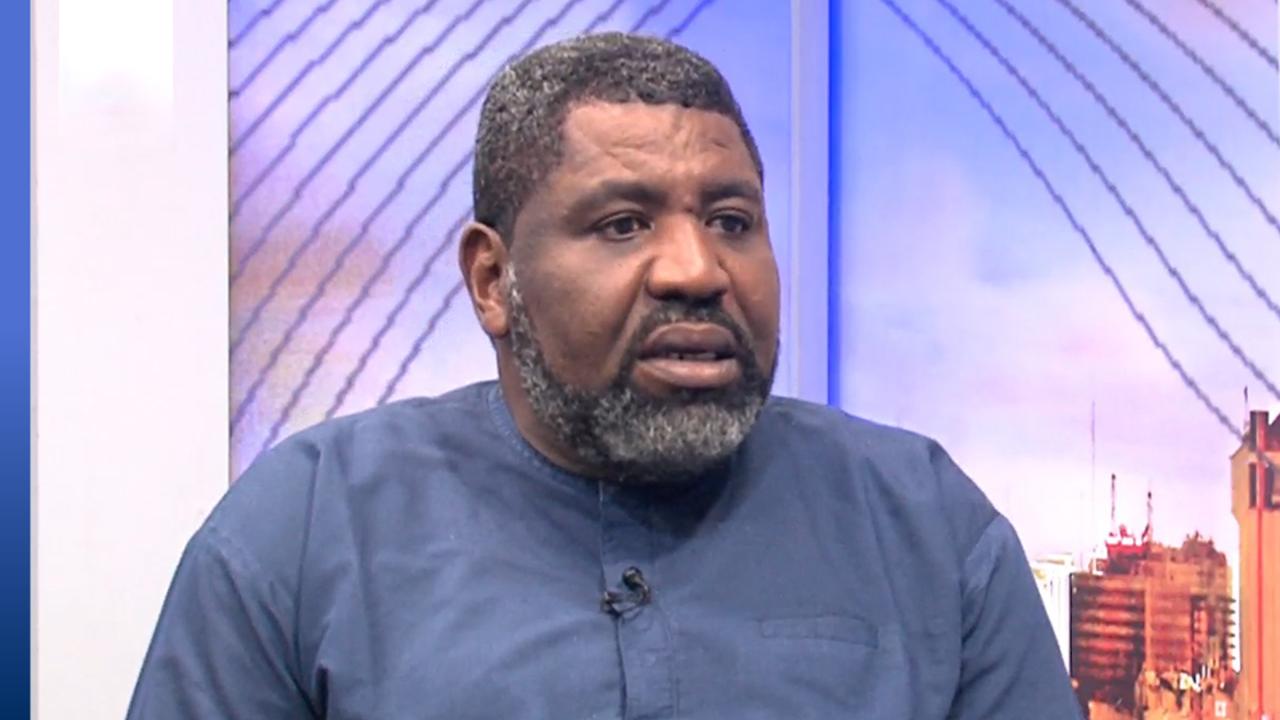
Speaking exclusively to Per Second News (PSN) on the sidelines of the event, Senior Special Assistant on Intelligence, Media and Strategic Communications PCRC, Adamu Shittu, described community policing as one of the most practical approaches to tackling insecurity, particularly in an era where criminal networks increasingly exploit gaps between communities and security agencies.
He said stronger stakeholder engagement, increased public trust and continuous dialogue remain critical to addressing insecurity in both urban and rural communities.
Persecondnews reports that stakeholders highlighted a shift in modern security, stating that the future of policing relies less on uniforms and patrol cars, and more on the deep partnerships forged between law enforcement and local communities.
Author







Leave a comment