











By Bandep Abdullahi
It was not the volume of the comments that startled Abuja. It was the intent.
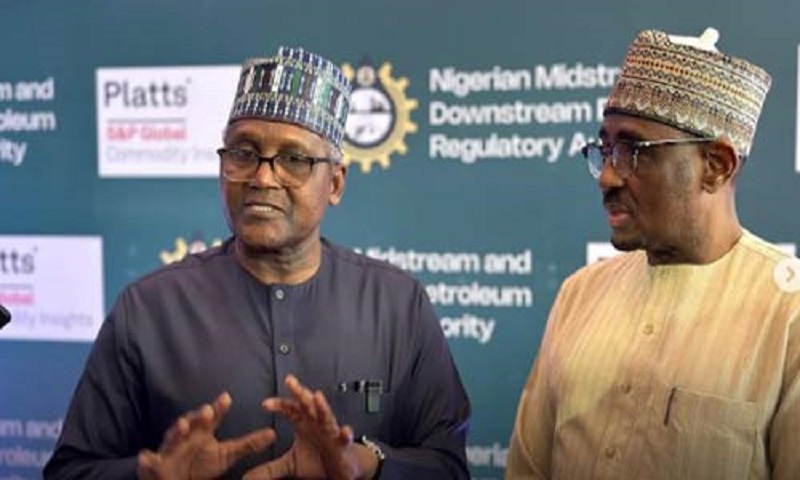
Aliko Dangote is not known for impulsive public confrontation. For decades, his influence has moved not so quietly through boardrooms, ministries, and policy backchannels. When he spoke publicly, it was usually measured, strategic, and forward facing. That is why many of his more recent remarks including the latest about Farouk Ahmed, the Chief Executive of the Nigerian Midstream and Downstream Petroleum Regulatory Authority, landed with unusual force across government and industry circles.
On the surface, the comments appeared to target a regulator. Beneath the surface, many heard something else entirely.
To understand why, one must first understand the moment Nigeria is in.
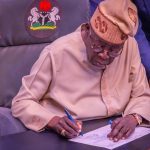
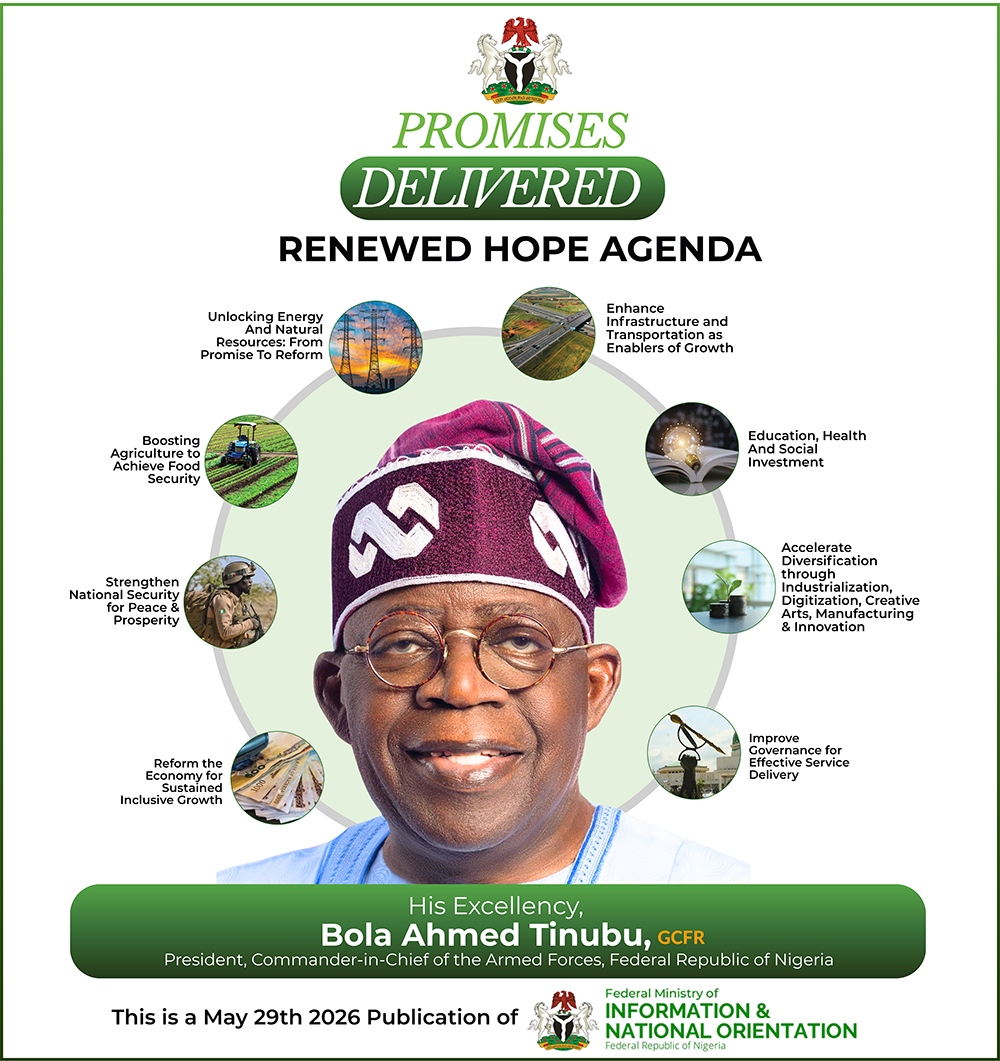
Since May 29, President Bola Ahmed Tinubu has pursued a clear and often uncomfortable governing philosophy. Institutions over individuals. Law over sentiment. Process over pressure. From fuel subsidy removal to exchange rate unification, the administration has shown a consistent willingness to absorb short term backlash in defence of long term structural reform. Friends have not been spared. Foes have not been indulged.
It is within this context that the Dangote remarks must be examined.
The comments were made at a time of heightened scrutiny around the oil and gas sector. Regulatory enforcement had become firmer. Timelines were being enforced. False narratives are being challenged with data. Licences were being reviewed strictly within the confines of the Petroleum Industry Act. For years, Nigeria’s energy ecosystem had operated on a relationship model which included an alleged unholy alliance between disgraced CBN Governor, Godwin Emefiele and Dangote. The new administration was clearly shifting toward a rules based system with independent regulators at its core.
Farouk Ahmed sits squarely at the centre of that shift.
As Chief Executive of the NMDPRA, his authority is not personal. It is statutory. The Petroleum Industry Act gives his office specific responsibilities, defined powers, and clear limits. He does not grant favours. He enforces compliance. He does not negotiate exemptions. He applies the law. The PIA was created to checkmate the abuse in Nigeria’s oil and gas sector and ensure energy security and sufficiency for Nigerians. Since 2023, Nigeria has not witnessed any fuel scarcity and many credit Farouk’s professional balancing of domestic refining output with much-needed imports for stabilising prices in recent times.
This distinction matters because nothing in Dangote’s remarks had any documentary evidence presented. No breach of process cited. What emerged instead is being seen as frustration. A sense that the machinery of regulation was not moving in the direction or at the speed preferred by one of Nigeria’s most powerful private sector actors.
That is where the story turns.
In previous eras, such frustration would quietly find its way to the Presidency. A call would be made. A meeting would be arranged. A regulator would be advised. Sometimes reassigned. Sometimes overruled. Nigeria’s political economy was built on accommodation.
This time, that accommodation did not come.
Multiple sources within government confirm that the President declined to intervene despite Aliko Dangote meeting with the President only last week. An earlier attempt to restore some sort of monopoly in the sector through the introduction of a levy on petrol was stopped at the last minute by the President. There was no quiet instruction. No behind the scenes correction. No bending of institutional process. The message from the Presidency was simple and consistent with its public posture. Regulators must be allowed to do their jobs. All players must operate in an open market system in the best interest of the Nigerian consumer.
It is this refusal, more than any individual regulatory decision, that appears to have altered the tone of the conversation.
Viewed through that lens, the remarks read less as a personal attack on Farouk Ahmed and more as an attack against the President whom he didn’t support and also, an expression of frustration with a system that no longer yields to influence. The regulator became the face of a larger reality. The President was the silent presence behind it. A public affairs analyst said that Farouk has the backing of the President to continue sanitizing an industry that was once known to inflate figures used to swindle Nigeria of fuel subsidies.
That silence was deliberate.
By choosing not to respond publicly, the Presidency avoided escalation. By choosing not to intervene privately, it reinforced a new governing ethic. The law would not be suspended because of scale. Not even the scale of Africa’s richest man.
This moment matters beyond personalities.
Nigeria is trying to send a signal to global investors that its reforms are real. That rules apply consistently. That regulatory certainty, even when inconvenient, is preferable to discretionary governance. If the country flinches when its biggest investor applies pressure, smaller investors draw the wrong conclusions. If it holds the line, confidence is built quietly and durably.
None of this diminishes Aliko Dangote’s contribution to Nigeria’s economy. His investments have created jobs, reduced imports, and expanded industrial capacity. His Refinery is seen as a national asset and President Tinubu has provided him with government support including the Crude-for-Naira policy but Africa’s richest man wants more. In a mature economy, contribution does not translate into control. It earns respect, not exemptions. No nation worth its salt can or should mortgage something as critically important as energy security to a single private entity.
The real story here is not conflict. It is transition.
Nigeria is learning what it feels like when institutions stop bending. It is uncomfortable. It generates noise. It exposes old expectations colliding with new realities.
History will not remember the sharpness of a comment or the defensiveness of a response. It will remember whether this Presidency protected the independence of its regulators when it mattered most.
So far, it has.
And in the long arc of reform, that may prove more consequential than any single refinery, licence, or speech.
– Bandep ABDULLAHI writes from Abuja.
Author








Leave a comment