















By Joycelyn EllakecAdah
The Federal Government and the Nigeria Centre for Disease Control and Prevention (NCDC) have called on Nigerians to adopt consistent handwashing practices to curb the spread of infectious diseases, warning that poor hygiene continues to expose individuals and communities to preventable health risks.
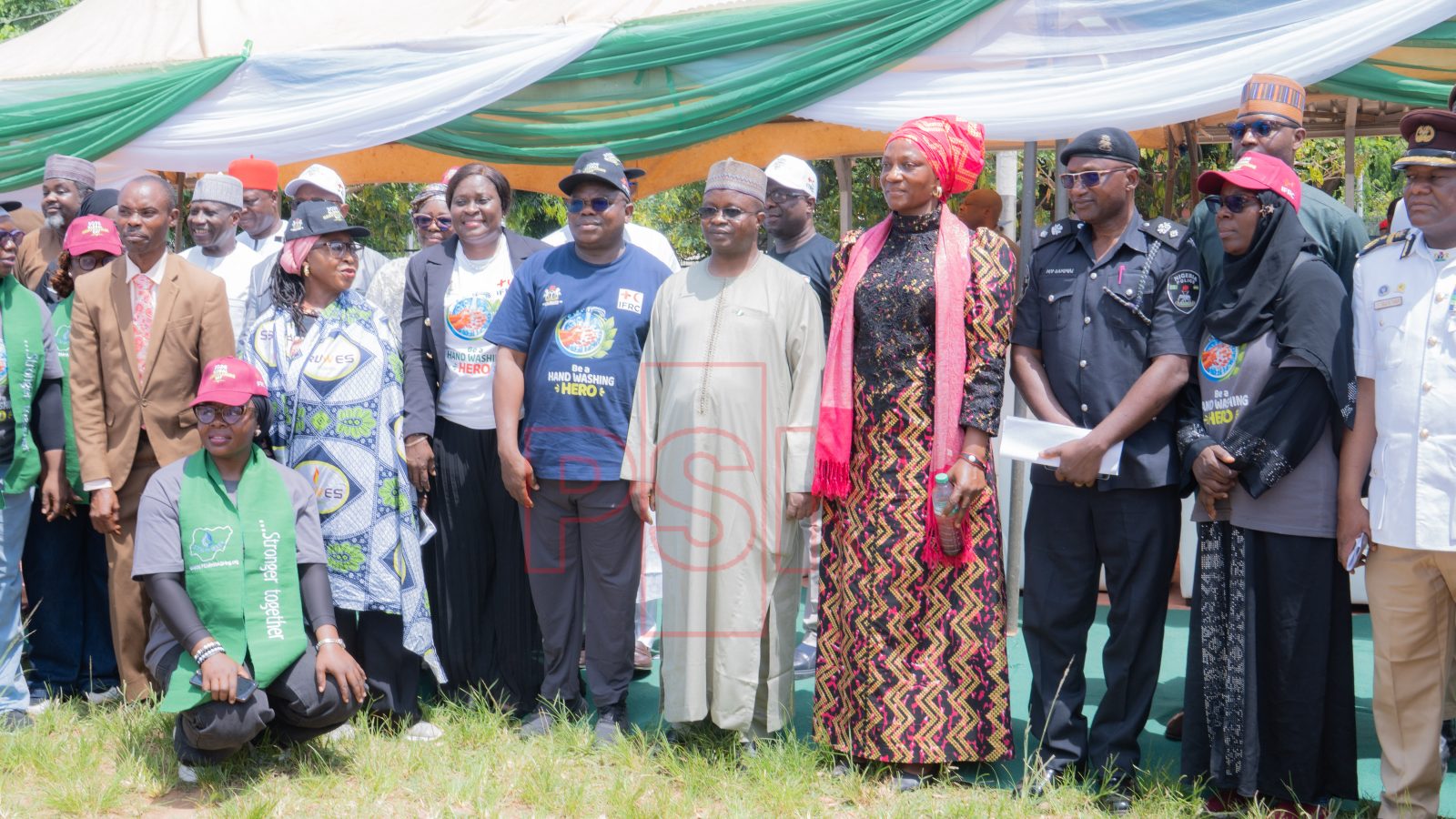
Minister of Environment Balarabe Abbas Lawal and the NCDC’s Head of Risk Communication and Community Engagement and Infodemic Management, Mrs Hannatu Bello, made the call on Monday during the commemoration of the 2026 Global Handwashing Day at Police Day Secondary School, Area 11, Abuja.
Lawal, who was represented by the Permanent Secretary of the Federal Ministry of Environment, Dr Salihu Usman, said handwashing with soap and running water remained one of the simplest and most affordable ways to prevent infections, including cholera, diphtheria, typhoid fever, Lassa fever and COVID-19.
Speaking on the theme, “Be a Handwashing Hero,” the minister said the responsibility for improving hygiene standards rested on individuals, families, schools, businesses and governments, stressing that consistent personal habits could protect entire communities from disease.

“Heroes or heroines aren’t born; they are made through consistent actions that inspire, protect and preserve people and community.”
He called for coordinated efforts to increase public awareness of hand hygiene and improve access to sanitation facilities, noting that the campaign must go beyond sensitisation to ensure that facilities were available and properly managed.
The minister said the Federal Government, through the Ministry of Environment and other ministries, departments and agencies, remained committed to policies and programmes aimed at improving water, sanitation and hygiene (WASH) across the country.
He urged Nigerians to wash their hands before eating, after using the toilet, after handling waste and after contact with other people or animals, while calling on schools, healthcare facilities and workplaces to provide accessible handwashing stations.
Lawal also highlighted the need to sustain hygiene practices in communities facing water scarcity, urging the adoption of climate-smart, water-saving methods such as tippy taps, which allow people to wash their hands with minimal water.
He challenged young Nigerians to use digital platforms to make handwashing more appealing and widely practised, urging them to create videos, applications and public awareness campaigns capable of influencing behaviour beyond their immediate communities.

The minister further called on governments at all levels, non governmental organisations, community leaders and the media to intensify public education and expand access to sanitation and hygiene facilities.
He said stronger collaboration among stakeholders would help make handwashing a national habit, reduce the burden on healthcare services and support the achievement of the United Nations Sustainable Development Goals on health and sanitation.
Also speaking, Head of Risk Communication and Community Engagement (RCCE) and Infodemic Management, Mrs. Hannatu Bello, said handwashing was essential not only for personal protection but also for preventing the transmission of diseases to family members, neighbours, colleagues and other people encountered in daily activities.
“Our own is to remind every Nigerian, everybody who is seated here today and beyond, on the importance of handwashing to prevent ourselves, our loved ones, our neighbours, our colleagues at work, our customers in the market, from diseases of public health interest.”

She urged Nigerians to pay attention to critical moments for handwashing, including before eating, after using the toilet, before and after attending to open wounds, during food preparation and after contact with potentially contaminated materials.
Bello said observing these practices with soap and running water could help reduce the risk of transmitting infections, particularly in homes, schools, workplaces and public spaces where people interact closely.
She also used the occasion to demonstrate proper handwashing to participants, guiding them through the process of wetting their hands, applying soap, rubbing their hands thoroughly and rinsing them under running water.
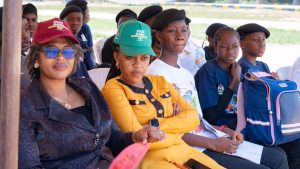
Addressing the students, she encouraged them to become advocates for good hygiene within their families and communities, stressing that children and young people could help reinforce healthy practices by putting them into action and encouraging others to follow suit.

The Commandant of Police Day Secondary School, CSP Moses Bammai, said the decision to host the commemoration at the school was important because introducing proper hygiene practices to children at an early age could help establish habits that would last into adulthood.
“When I sighted the invitation and the request to host this programme in a school like mine, it gladdened my heart because capturing the young generation to understand the importance of washing their hands at this tender age will go a long way if they grow with that in their mindset.”
Bammai described handwashing as a responsibility shared by everyone, saying the practice should become an established part of everyday life rather than an activity people observe only during public health campaigns.
“The summary of this programme, if I’ll be permitted to say this, is like creating a permanent relationship between the hands and the water,” he said, urging participants to make handwashing a lasting personal and community habit.
He commended the Ministry of Environment for bringing the campaign to the school and expressed hope that the students would carry the message beyond the event.
The commemoration was supported by the International Federation of Red Cross and Red Crescent Societies, Nestlé Nigeria Plc and Female Professionals in Water, Sanitation and Hygiene (FEMinWASH).
In his address, Lawal expressed appreciation to the partners, the school management, ministries, departments and agencies, non governmental organisations, community based organisations and the media for their support for water, sanitation and hygiene programmes in Nigeria.
Global Handwashing Day is observed annually to promote handwashing with soap as a practical public health measure for preventing disease and improving hygiene.
Author







Leave a comment