











By Maryanne Awuya
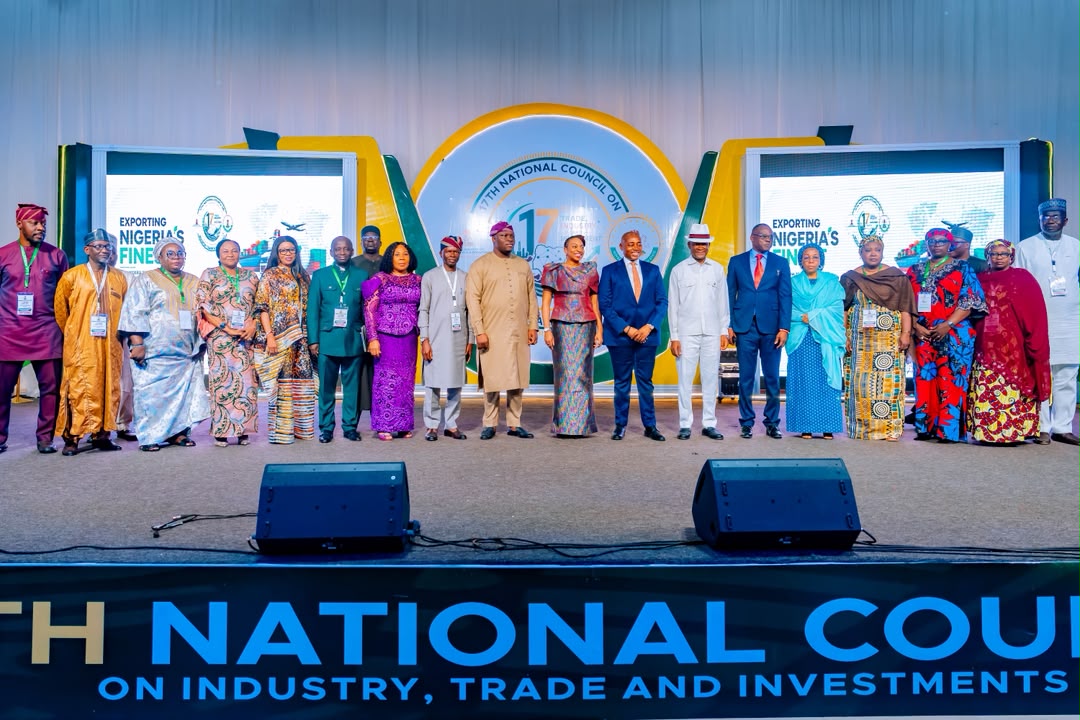
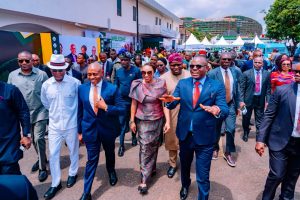
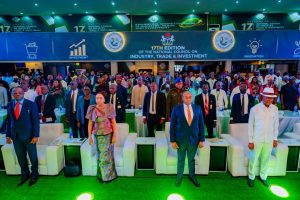
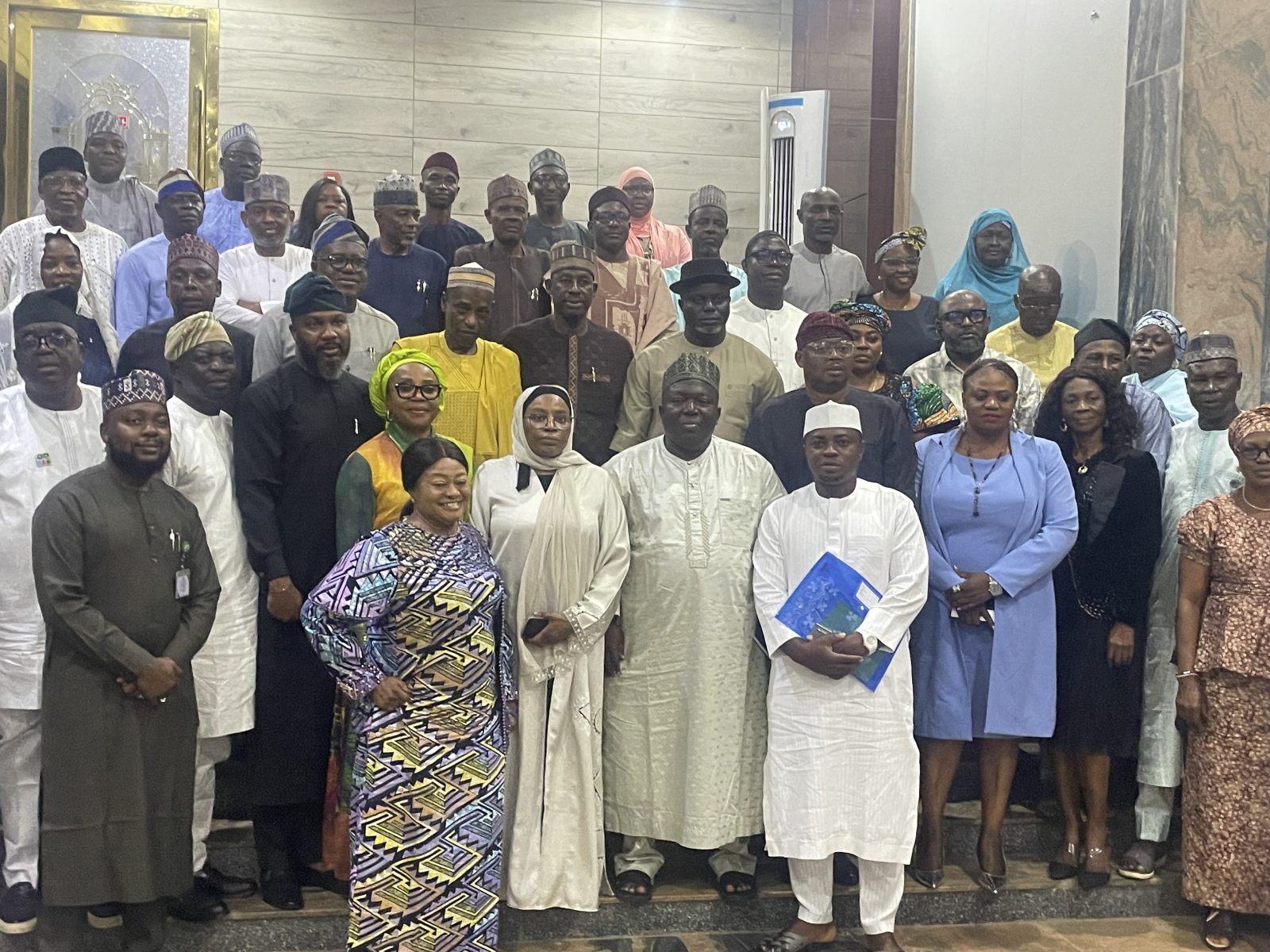
Nigeria’s push toward a $1 trillion economy gained significant momentum at the 17th National Council on Industry, Trade and Investment (NCITI) in Enugu, where over $50 billion in facilitated Foreign Direct Investment (FDI) commitments was announced.
The summit underscored a renewed push to drive industrialization, boost trade, and secure sustainable investments.
Highlighting recent economic milestones, Minister of Industry, Trade and Investment Dr. Jumoke Oduwole revealed that non-oil exports have hit $6.1 billion.
Additionally, the government has funneled over ₦600 billion in financing through the Bank of Industry, registered more than 500,000 MSMEs in its central database, and provided skills training to nearly 300,000 Nigerians.
She said the achievements reflect the progress being made under President Bola Tinubu’s Renewed Hope Agenda and demonstrate the government’s commitment to translating economic reforms into increased production, higher exports, investment inflows and job creation.
Speaking through a press statement released by Ministry spokesperson Obilor-Duru Augustina, Dr. Oduwole outlined the focus of this year’s council, themed “Enhancing Competitiveness in Industry, Trade and Investment for Inclusive Growth and Global Market Integration.”
She highlighted key priorities, including expanding manufacturing, developing industrial clusters, and improving investment facilitation.

Other major focus areas include advancing digital trade, rolling out the National Single Window, strengthening intellectual property rights, and deepening Nigeria’s involvement in the African Continental Free Trade Area (AfCFTA).
To ensure these initiatives succeed, Oduwole urged government agencies to back every council resolution with explicit responsibilities, firm deadlines, and measurable benchmarks to drive real industrial progress.
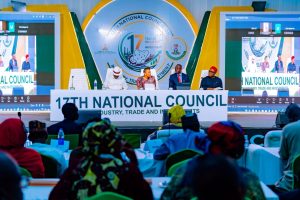
In his speech, Enugu Governor Peter Mbah, represented by Deputy Governor Ifeanyi Ossai called for stronger collaboration among governments, financial institutions and the private sector to address structural challenges affecting Nigeria’s competitiveness, including high financing costs, regulatory bottlenecks and limited access to development finance.
Adding to the directives, Minister of State for Industry Sen. John Owan Enoh reiterated the Federal Government’s commitment to executing the Nigeria Industrial Policy 2025 via the Industrial Revolution Work Group (IRWG).
He emphasized critical focus areas such as securing affordable industrial financing, boosting value addition, driving manufacturing growth, and expanding public-private partnerships to increase the industrial sector’s contribution to the national GDP.
Earlier, Enugu State Commissioner for Trade, Investment and Industry, Dr. Samuel Ogbu-Nwobodo, highlighted reforms undertaken by the state in infrastructure, security, digital governance, investment facilitation and ease of doing business, describing Enugu as an attractive destination for investors.
Representatives of the United Nations Industrial Development Organization (UNIDO), the Nigerian Association of Chambers of Commerce, Industry, Mines and Agriculture (NACCIMA), and the Nigerian Society of Engineers (NSE) also pledged continued support for initiatives aimed at strengthening industrial development, improving competitiveness and promoting sustainable economic growth.

The Permanent Secretary of the Federal Ministry of Industry, Trade and Investment, Dr. Chris Osa Isokpunwu, expressed confidence that the council would produce practical resolutions capable of accelerating industrialisation, expanding trade, attracting more investments and promoting inclusive economic growth across the country.
Author






Leave a comment