












By Omoyeni Ojeifo
Closing the gender gap in agriculture will significantly boost Nigeria’s food security and drive economic growth, with the Federal Government identifying women farmers as one of the country’s most underutilized assets.
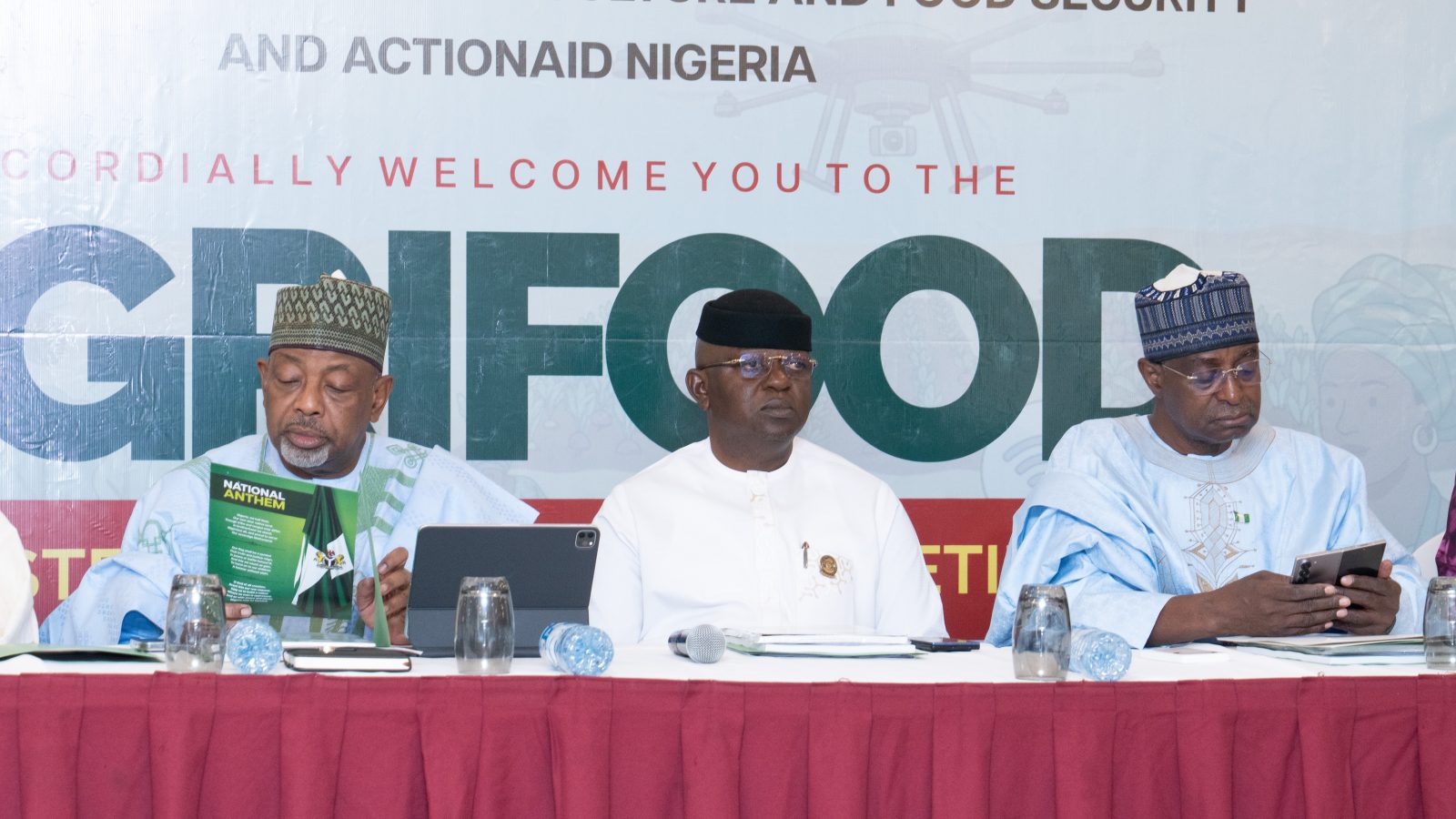
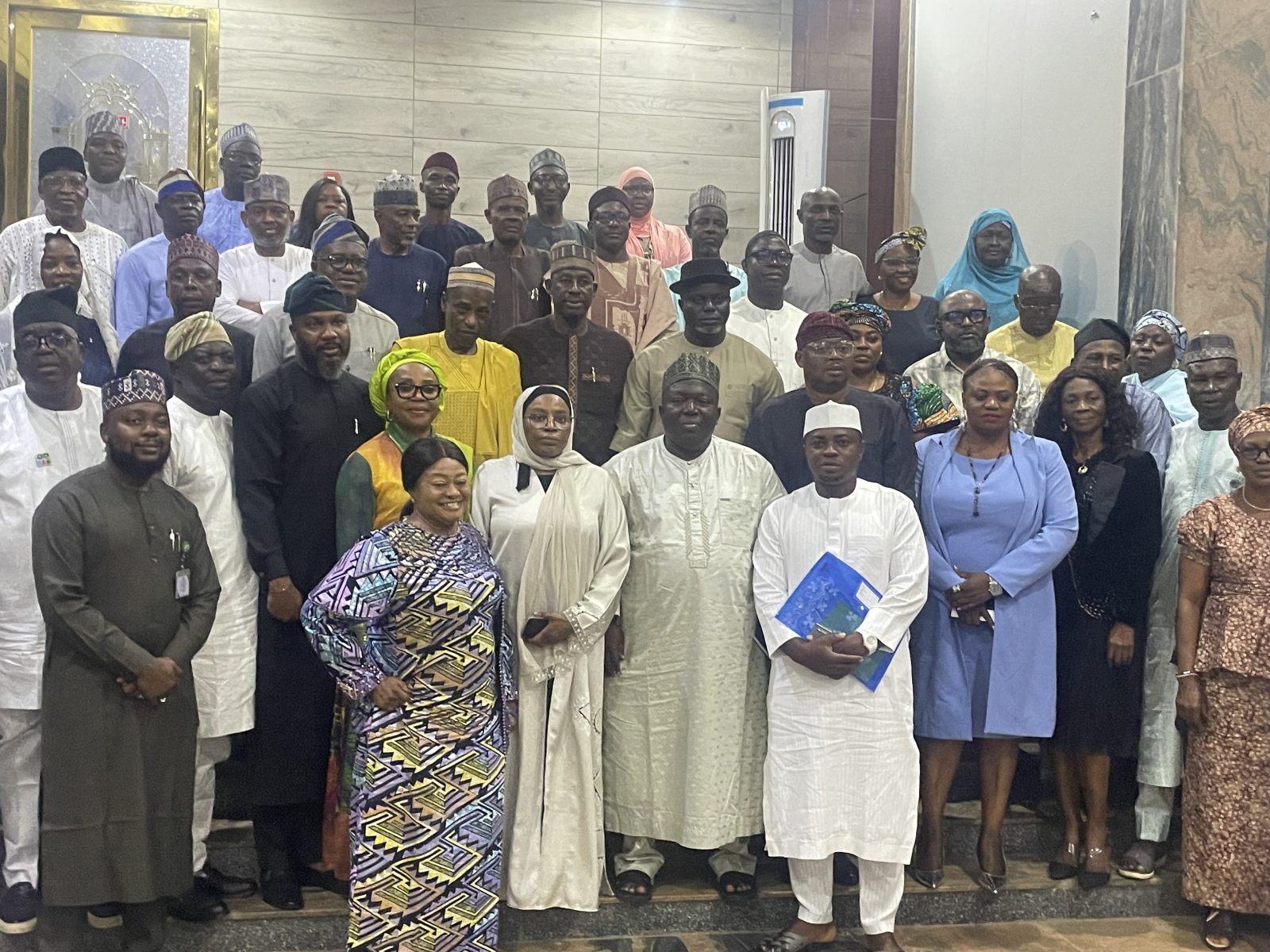
PersecondNews correspondent reports that Hajiya Imaan Sulaiman-Ibrahim, the Minister of Women Affairs, said this on Thursday at the 2nd Biannual Meeting of the Agrifood System Working Group (ASWG), jointly organised by ActionAid Nigeria and the Federal Ministry of Agriculture and Food Security in Abuja.
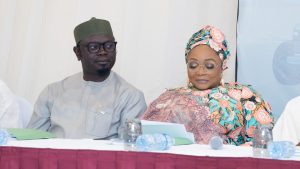
She said Nigeria’s implementation of the CAADP Kampala Declaration (2026–2035) requires the country to halve the gender productivity gap in agriculture by 2035, describing the target as a commitment that must be fulfilled.
“Closing the gender gap in agriculture is not my request to this working group. It is the working group’s obligation under the declaration Nigeria has already signed,” she said.
Sulaiman-Ibrahim warned that worsening food insecurity is disproportionately affecting women and children, citing the latest Cadre Harmonisé analysis, which projects about 36 million Nigerians could face food insecurity this year.
She noted that pregnant and nursing mothers, female-headed households and children under five remain among the hardest hit by the crisis.
“In our homes, we know who eats last and who eats least. It is usually the mothers.”
The minister said women farmers produce about 30 per cent less per hectare than men, not because they are less capable, but because they have less access to land, fertiliser, improved seeds, irrigation, mechanisation, credit and extension services.
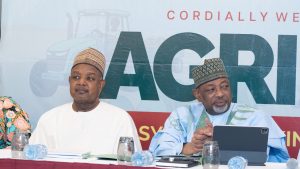
“We are not looking at underperforming farmers. We are looking at under-resourced farmers. That is a policy failure, and it is policy-fixable.”
She said addressing the imbalance would not only improve food production but also deliver significant economic benefits for the country.
“Closing the agricultural gender productivity gap could raise Nigeria’s GDP by as much as 2.4 per cent,” she pointed out.
Highlighting the opportunities available, Sulaiman-Ibrahim urged policymakers to focus on women already engaged in farming rather than searching for new sources of agricultural growth.
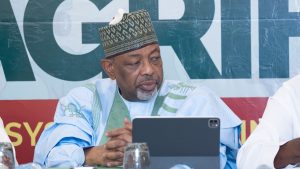
“One of the largest opportunities is hiding in plain sight. Give the women already farming the same inputs you give the men farming beside them.”
She said the Ministry of Women Affairs had already mobilised more than one million rural women into savings and enterprise groups through the Nigerian for Women Programme, enabling them to save nearly ₦10 billion that could support agricultural production and value chains.
The minister also proposed the adoption of sex-disaggregated agricultural data, dedicated targets for women in government input programmes, stronger agricultural value chains for women and a joint technical desk between the Ministries of Women Affairs and Agriculture to monitor implementation.
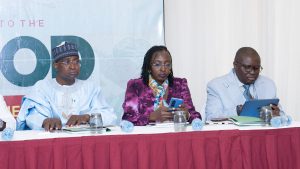
“The largest untapped resource is not new technology or new land. It is the woman already farming, feeding her household with less land, less credit and less support.”
She reaffirmed the ministry’s commitment to working with relevant stakeholders to ensure women are fully integrated into Nigeria’s agricultural transformation and food security agenda.
Author









Leave a comment