














By Maryanne Awuya
In a bold step towards effective planning and reforms in the nation’s education sector, the Federal Government has rolled out the Digitalised Nigeria Education Management Information System (DNEMIS).
Describing reliable data as the foundation for reforms, Education Minister Dr. Tunji Alausa, therefore urged state governments and education stakeholders across the country to embrace accurate data collection.
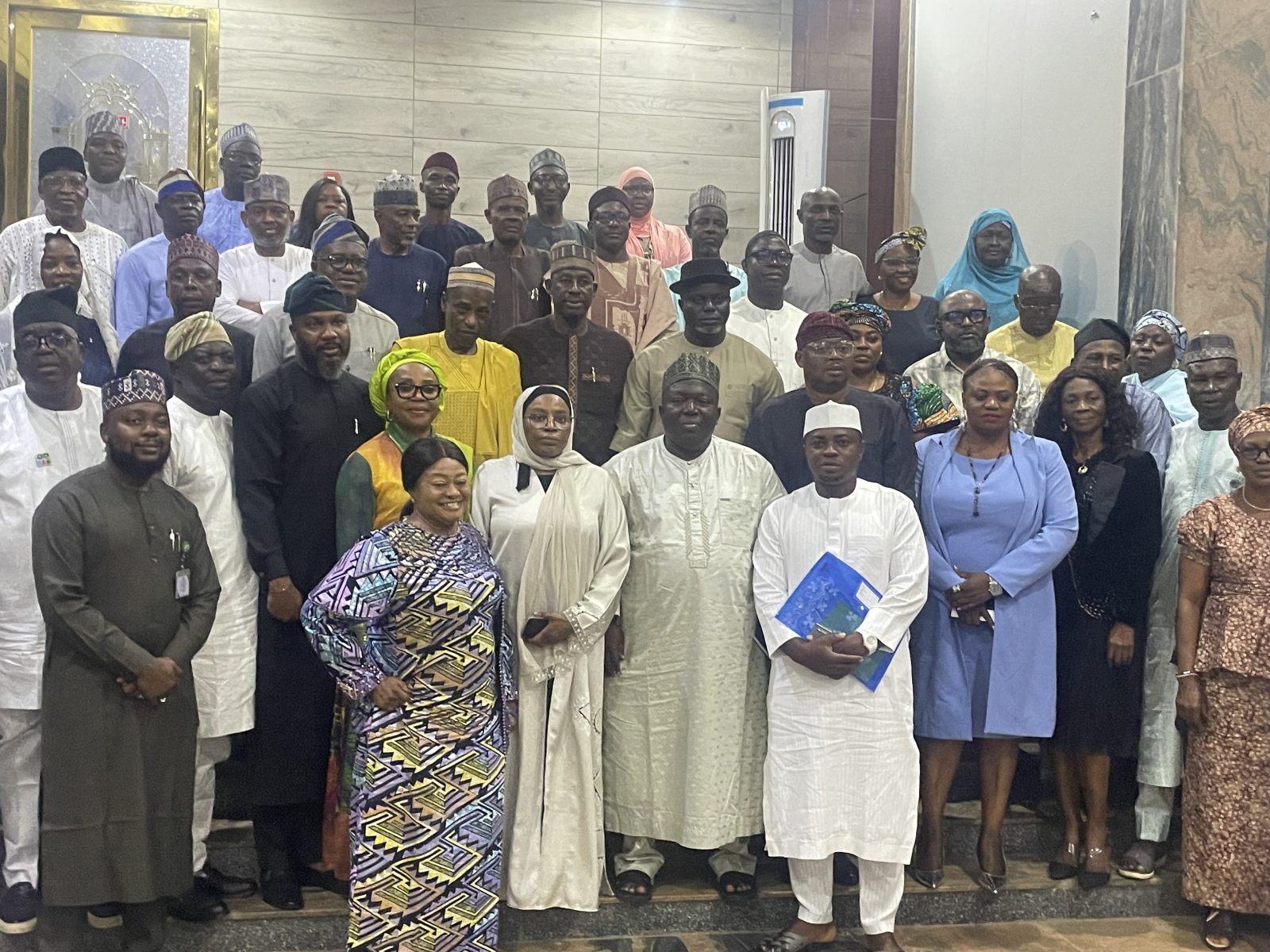
Speaking at the inauguration of state DNEMIS and coordination meeting held on Wednesday in Abuja, Alausa said the digital platform would transform how education data is collected, managed and utilised across the country, enabling the government to make evidence-based decisions on funding, infrastructure, teacher deployment and policy implementation.
Persecondnews correspondent at the event reported that the minister explained that Nigeria can no longer rely on estimates in managing its education system, noting that every major reform must be backed by credible and verifiable data.
“Without data, you don’t know what you are doing. Every decision we make must be based on data, not emotion,” he said.
He clarified that the new system captures information on schools, infrastructure, teachers and learners in real time, replacing the manual data collection process previously used across the country.
“The platform will provide comprehensive information on school facilities, including classrooms, computers, water and sanitation facilities, as well as the condition of infrastructure in each school.”
Alausa said: “The availability of accurate data would enable the government to identify gaps, allocate resources more efficiently and address challenges affecting access to education.
“The previous national data had shown significant disparities between enrolment at the primary and junior secondary school levels, and such information would guide policies aimed at improving transition rates and reducing the number of out-of-school children.”
According to the minister, education authorities across states now have access to detailed datasets that will help identify where additional schools, teachers and infrastructure are required.
He also announced the establishment of state coordination teams to oversee data collection, validation and continuous updates under the new system.
The teams, he explained, will be chaired by state commissioners for education, directors of planning, research and statistics, officials of school management boards and other key education stakeholders.
“The 2026 exercise marks the first nationwide digital collection of education data, replacing paper-based reporting,” he said.
The minister also called on journalists and civil society organisations to utilise the data to promote transparency and hold governments accountable for education outcomes.
Access to reliable education statistics will strengthen public oversight and support efforts to improve learning across the country, Alausa also said.
Author








Leave a comment