















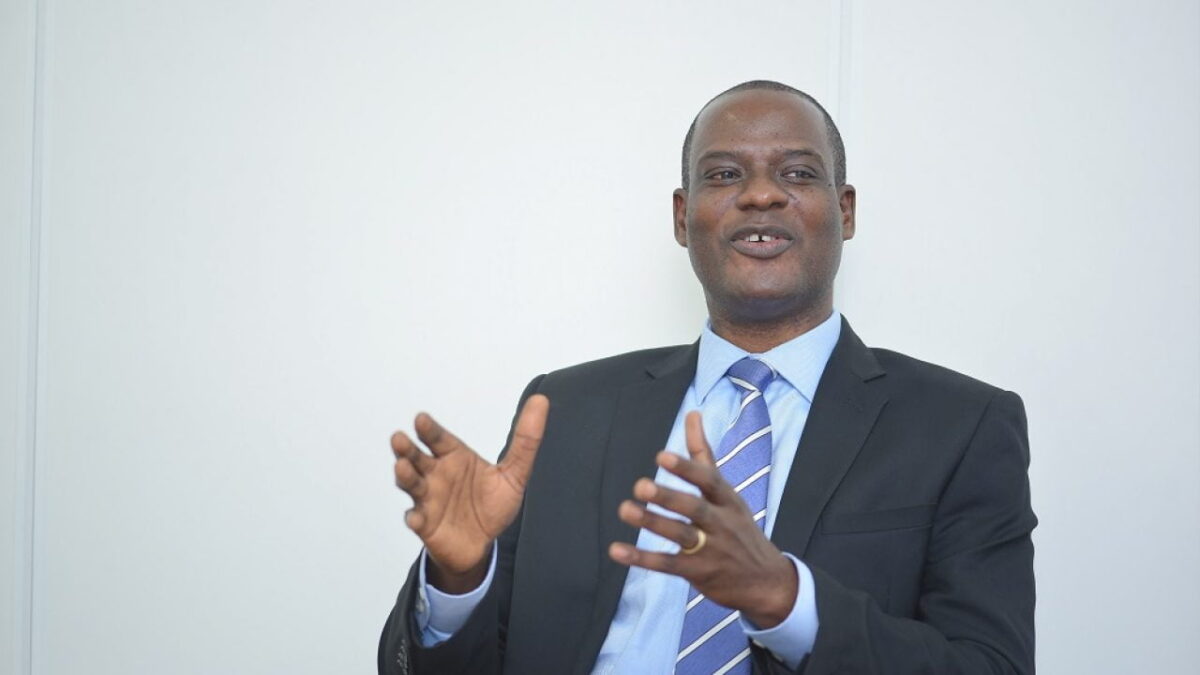
In a sharp critique of Nigeria’s legal-political landscape, human rights lawyer Inibehe Effiong has called for judicial sanctions against politicians who “clog” the courts with internal party squabbles.
At an interactive session on Channels Television monitored by Persecondnews, Effiong insisted that the judiciary must discourage the trend of endless litigation over party affairs, arguing that these disputes are best settled within party structures.
Effiong also took aim at the handling of the current leadership tussle, pointing out that no definitive injunction has been issued.
According to him, the court’s order was merely a procedural requirement for the defendants to appear and justify why the prayers sought should not be granted.
He said the matter should have been dealt with more directly at the Federal High Court instead of being taken through multiple layers of appeal, describing the prolonged process as avoidable.
“The Supreme Court should start sanctioning politicians that decide to waste the time of the court with internal party issues,” Persecondnews quotes the legal practitioner as saying.
Effiong further argued that the party’s leadership dispute had already consumed months of litigation across different court levels and questioned whether procedural choices were helping or delaying resolution of the crisis.
“Courts must not allow internal party disputes to be dragged endlessly through the system at the expense of justice delivery.”
Conversely, ADC chieftain Ladan Salihu dismissed allegations of legal mismanagement, contending that the dispute is fundamentally an internal party matter.
Speaking on the issue, Salihu argued that the judiciary should not have intervened in the first instance.
He further asserted that a unanimous Supreme Court ruling had already restored the “status quo ante bellum,” a decision he believes reinforces the principle that the party’s internal framework—not the court system—is the proper venue for resolution.
Responding to concerns that the prolonged litigation may have cost the party valuable time,
he stressed that the party’s legal team has handled the matter properly and within constitutional limits thus making the party well structured and functional.
Denying any wrongdoing, Salihu maintained that his side is operating strictly within legal boundaries, pointing to a cache of documents on resignations and leadership changes as proof.
He, however, suggested the case is being fueled by external forces, characterizing the legal battle as a calculated move to destabilize the opposition before the 2027 general elections.
The debate brought the central conflict into sharp focus – a clash between Effiong’s call for the judiciary to reject internal party squabbles and Salihu’s defense of his party’s right to self-governance.
Author









Leave a comment