








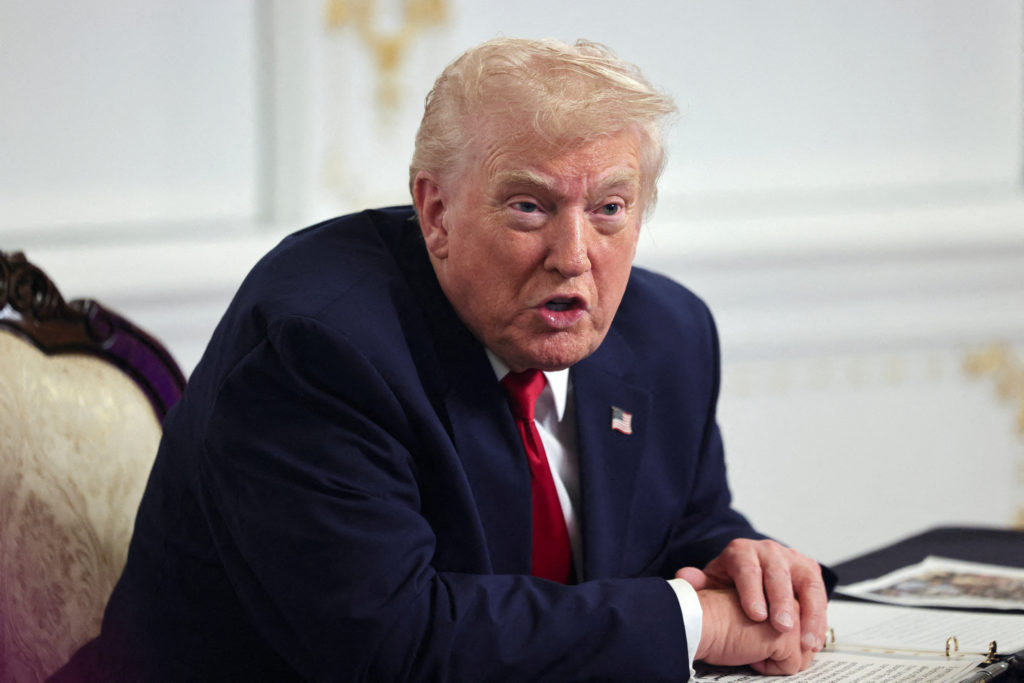



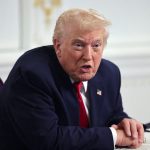
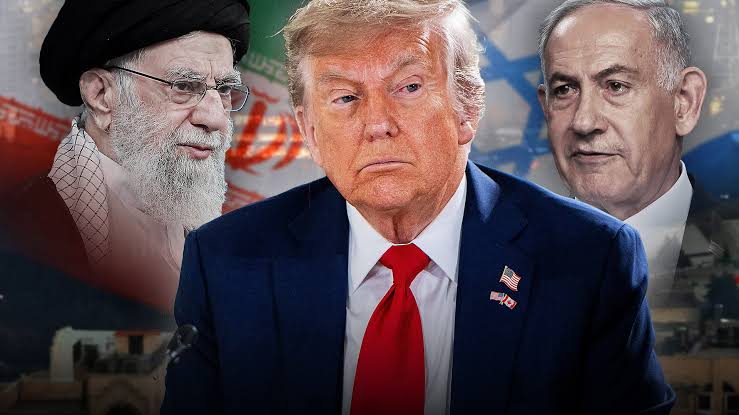
President Donald Trump has doubled down on his refusal to negotiate a ceasefire with Iran, dismissing potential peace terms as “not good enough” even as fresh Israeli airstrikes pounded targets on Sunday.
This hardline stance was met with a chilling vow from Iran’s Revolutionary Guards, who pledged to “pursue and eliminate” Israeli Prime Minister Benjamin Netanyahu.
Two weeks into the coordinated US-Israeli offensive, neither side shows signs of backing down.
The military campaign has already caused a global economic shockwave, with oil prices soaring as the Strait of Hormuz remains effectively paralyzed by the conflict.
The war, which erupted on February 28 following US-Israeli operations that resulted in the death of Iran’s former supreme leader Ali Khamenei, has led to severe economic strain, including skyrocketing oil prices due to the strait’s effective shutdown.
Iranian officials report over 1,200 deaths from the strikes, figures yet to be independently confirmed, while the United Nations estimates that as many as 3.2 million Iranians have been displaced, many abandoning major cities for safer areas.
The Pentagon claims its forces, alongside Israeli allies, have targeted more than 15,000 sites within Iran.
Trump, speaking to NBC News, expressed skepticism about Iran’s new supreme leader, Ayatollah Mojtaba Khamenei—the son of the slain predecessor—who has publicly pledged via a statement to maintain the blockade on the Strait of Hormuz.
“I don’t know if he’s even alive. So far, nobody has been able to show him,” Trump remarked, casting doubt on the leader’s status despite Tehran’s assurances that there are no issues and that Mojtaba is firmly in command, though he has not made a public appearance.
Amid the belligerent exchanges, daily life in Tehran showed tentative signs of recovery during the workweek, the most routine since the conflict’s onset.
Streets bustled with increased traffic, several cafes and eateries resumed operations, and scenes included residents gliding on electric hoverboards.
In the northern Tajrish bazaar, a key shopping district, over a third of the stalls had reopened just days ahead of the Persian New Year, Nowruz.
Bank customers lined up at ATMs for cash withdrawals, even as online services at major institutions like Bank Melli remained crippled, and bus stops, previously empty, now saw waiting passengers.
Trump indicated that US military efforts would intensify along Iran’s northern coastal areas near the strait to facilitate the resumption of oil tanker passages.
“Iran wants to make a deal, and I don’t want to make it because the terms aren’t good enough yet,” he told NBC, adding that Washington could revisit strikes on Iran’s primary oil export facility at Kharg Island “just for fun,” following Friday’s US attacks that neutralized military installations there without damaging the export infrastructure, as confirmed by both parties.
In response to the oil crisis, Trump proposed a multinational naval initiative to safeguard tanker routes through the strait, aiming to stabilize prices and protect vulnerable economies.
“Hopefully, China, France, Japan, South Korea, the UK, and others, that are affected by this artificial constraint, will send Ships to the area,” he posted on social media Saturday.
Reactions varied: Britain’s Ministry of Defence stated it is consulting with partners on potential measures to secure regional shipping, South Korea noted it is tracking the president’s comments closely.
A senior official in Japan’s ruling party, Takayuki Kobayashi, under Prime Minister Sanae Takaichi, emphasized that legal hurdles for deploying Japanese vessels remain extraordinarily stringent.
Meanwhile, regional allies reported defensive actions against Iranian aggression, with Bahrain and Saudi Arabia thwarting incoming missiles on Sunday, including siren alerts heard by witnesses in Manama.
Dubai’s authorities similarly repelled attacks late Saturday, following Iranian military advisories urging UAE residents and civilians to steer clear of port facilities.
The US has also advised its nationals to evacuate Iraq amid assaults by Iran-backed militias on the American embassy and military installations hosting coalition troops.
Further bolstering its presence, the Pentagon has deployed the USS Tripoli, an amphibious assault vessel, along with approximately 2,500 Marines to the area, according to US media reports, underscoring Washington’s commitment to the campaign despite the persistent hardline rhetoric from all involved parties.
Author



Leave a comment