




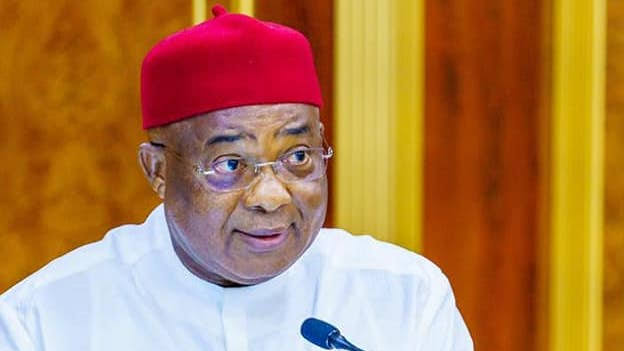

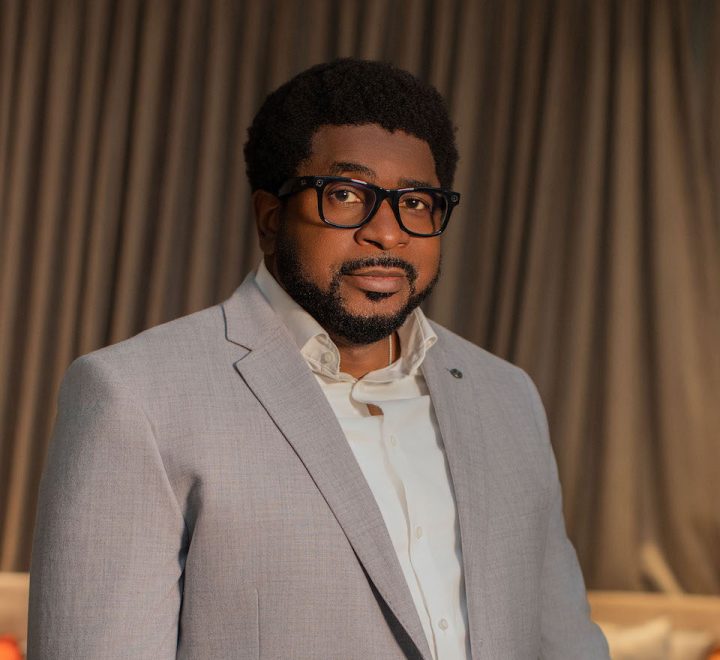



As controversy continues to trail his personal choices, Pastor Kingsley Okonkwo, founder of the David Christian Centre and renowned relationship coach, has dismissed criticism over his tattoo, boldly insisting that he would do more and even wear dreadlocks if it pains the public.
In a video that quickly went viral, Okonkwo addressed the backlash with unfiltered candor, saying he had no intention of hiding his self-expression.
“I will do more. I might even do dreads. There is a pastor in Lagos that has dreadlocks and even tattoos. Are you out of touch? You think the younger generation is as boring as you?” he said.
The pastor questioned the societal perception that tattoos are inherently wrong, challenging critics to provide concrete reasons for their disapproval.
“What makes a tattoo wrong? Someone painted their hand,” he asked, highlighting a perceived double standard in beauty and personal expression.
Okonkwo drew parallels between tattoos and widely accepted practices among women, such as microblading and makeup.
“Women who do microblading and makeup, is that not tattoo?” he questioned.
He also referenced the traditional henna used by Hausa brides, arguing that cultural practices often resemble tattooing.
The relationship coach expressed frustration that discussions about his appearance were overshadowing more pressing national matters.
“With all the national issues going on and the election just days away, people are making a fuss about my tattoo,” he said, lamenting that public attention was misdirected.
He went further to criticize what he sees as a generational disconnect.
“Election is in few days, the people owning the country have started planning, the youths are bothered about my tattoo. I will do more, if it is paining you, go and get juice,” he added, urging critics to shift their focus to more substantive issues.
Okonkwo’s stance is a reflection of his broader philosophy on personal freedom and authenticity.
He has long encouraged self-expression, arguing that outward appearances should not define spiritual worth or moral standing.
Social media quickly reacted to his comments, with supporters praising his confidence and willingness to challenge rigid societal norms.
Some described his remarks as “refreshing” and “a wake-up call to judgmental mindsets,” while others found them provocative and divisive.
Religious scholars and commentators have since weighed in, debating whether tattoos contradict biblical teachings.
Okonkwo, however, maintains that scripture does not explicitly forbid body art, citing examples of self-expression in religious and cultural contexts.
His critics argue that as a pastor and public figure, Okonkwo carries a responsibility to model conventional moral standards.
Yet, the coach counters that morality and faith are not dictated solely by appearances.
The debate has sparked wider conversations about generational shifts in Nigeria, with younger audiences increasingly questioning traditional norms around religion, culture, and personal choice.
Okonkwo positions himself at the intersection of this dialogue, challenging the status quo.
Despite the backlash, the pastor has remained unshaken, emphasizing that personal authenticity should take precedence over public opinion.
“If my choices make you uncomfortable, that’s your problem,” he said, reiterating his readiness to embrace further self-expression.
Author



Leave a comment