









By Joycelyn Ellakeche Adah, Abuja
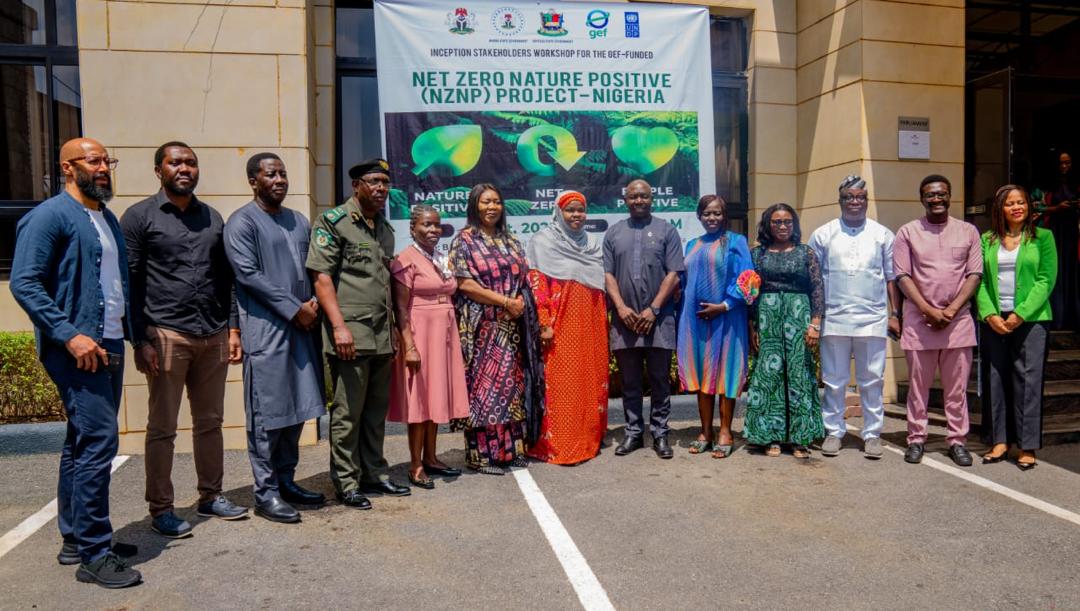
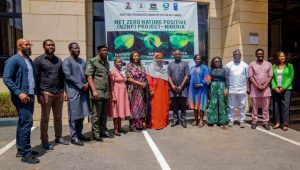
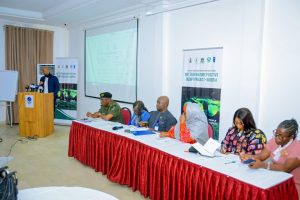
The Federal Government has rolled out the Net-Zero Nature Positive (NZNP) Project, a flagship programme aimed at accelerating climate resilience, protecting biodiversity, and promoting inclusive economic growth across Nigeria.
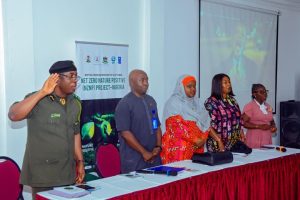
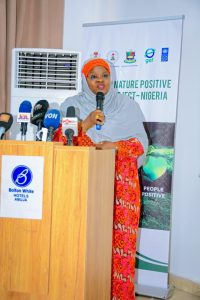
Halima Bawa Bwari, Director of Forestry at the Federal Ministry of Environment, said at the launch of the project in Abuja that it signifies Nigeria’s determination to strike a crucial balance between environmental safeguarding and human development.
Her explanation highlighted that Nigeria is among 12 nations globally to first adopt the NZNP framework, which places the country in a vanguard position for international climate and biodiversity initiatives.
“The project gives us a chance to confront climate change and biodiversity loss through one coordinated, transformative approach,” Bawa Bwari said.
“With assistance from GEF and UNDP, we are determined to create a model of sustainable development others can emulate.”
According to her, the initiative will improve institutional synergy, revive degraded forests, safeguard endangered species, and channel investments into green, low carbon ventures.
Bawa Bwari highlighted Nigeria’s vast ecological endowments, including 17 National Parks and over 1,100 Forest Reserves, while disclosing that the government is adopting digital mapping systems to track deforestation and strengthen planning around conservation.
“Our mission goes beyond protecting nature, it’s about sustaining livelihoods, ensuring equitable growth, and leaving behind a vibrant natural legacy for future generations.”
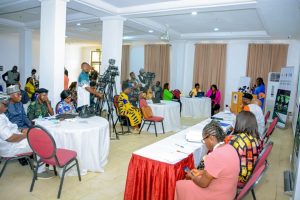
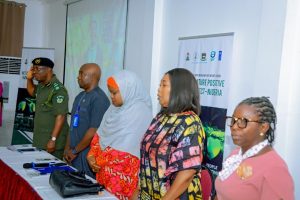
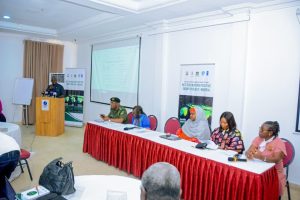
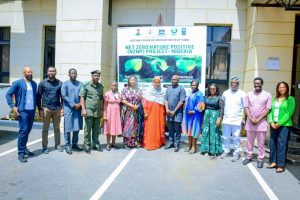


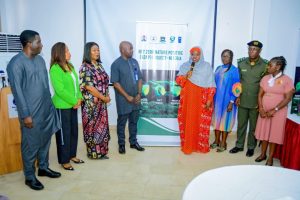 Chirimuta Blessed, who represented the UNDP Resident Representative, described the launch as a turning point for environmental governance in Nigeria.
“This project restores dignity to communities that have borne the brunt of ecological damage,” she said.
“It’s about transforming challenges into opportunities and proving that regions like the Niger Delta can stand as symbols of resilience and innovation.”
UNDP reaffirmed its partnership with the Federal Ministry of Environment, GEF, UNEP, and subnational governments to ensure measurable results on the ground.
Nigeria’s GEF Focal Point and Director of Planning, Research, and Statistics, Agnes Aneke, noted that the Bayelsa and Rivers components of the project fall under 11 global GEF integrated programmes advancing nature positive and net-zero pathways.
“This effort supports our Nationally Determined Contributions (NDCs), the 2030 Nature Positive Pledge, and Nigeria’s Net Zero vision by 2060,” Aneke said, emphasizing that ecosystem recovery, renewable energy expansion, and sustainable investment remain key priorities.
In her remarks, Mrs. Susan Uyadongha, Director of Forestry, Bayelsa State Ministry of Environment, said the state’s inclusion in the NZNP programme underscores its dedication to green development and environmental resilience.
“This collaboration marks an important milestone in our sustainability journey. It provides an opportunity for stakeholders to exchange ideas and strengthen partnerships for a cleaner, safer future,” she stated.
Her Rivers State counterpart, Nkemdirim Odoya, said the state government welcomes the initiative and is committed to advancing the shared goals of environmental preservation and low-carbon growth.
“Working with federal and international partners will help us deliver tangible progress on Nigeria’s climate commitments.”
Civil society advocate Michael Owemedimo, of the Collaborative Media Advocacy Platform (CMAP), called for deeper community engagement through storytelling and data-driven advocacy.
“Both rural restoration sites in Bayelsa and underserved communities in Rivers should be included. Strategic communication and blue carbon investment will be vital for long term impact,” he noted.
Backed by the Global Environment Facility (GEF) and implemented in partnership with UNEP and UNDP, the NZNP Project reinforces Nigeria’s commitment to its global climate obligations while driving a just, inclusive transition.
By combining ecological restoration with socio economic empowerment, the initiative places Nigeria firmly on the path toward a sustainable and climate smart future.
Author







Leave a comment