









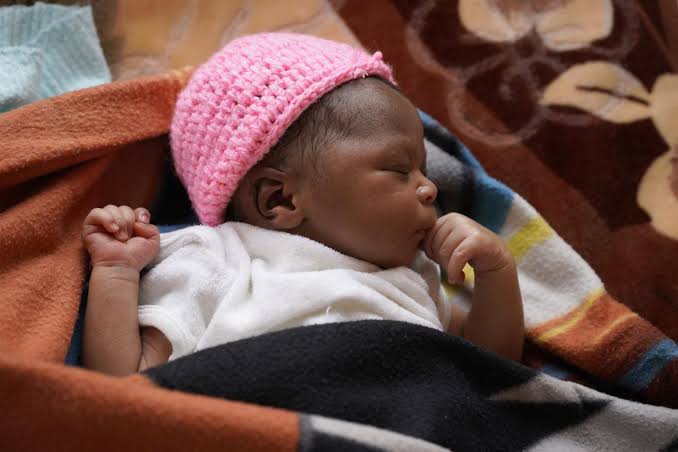



Health experts are raising the alarm about the dangerous practice of giving babies and toddlers alcohol to make them sleep.
This concerning trend, which some people in Nigeria use to calm children, has been labeled a “silent epidemic.”
Experts warn that this can lead to severe long-term health problems, including addiction, irreversible brain damage, and developmental issues that can affect a child for life.
Speaking exclusively to Persecondnews in a telephone interview on Saturday, August 2, Dr. Chizaram Obasi, a medical practitioner in Abia state, questioned the logic of giving alcohol to toddlers.
“When a woman is pregnant, she is told not to drink alcohol, smoke, or take other harmful substances,” she stated.
“It is puzzling that people who understand it’s bad for a pregnant woman to consume alcohol because it affects her child suddenly think it is okay to give it to their children after they are born.”
She emphasized that this practice is both illogical and medically unsound.
“Why do people think a baby is no longer affected by alcohol once they’re out of the womb? There’s a reason we don’t let kids drink alcohol until they’re adults—it’s so their brains and bodies can develop properly,” Obasi said.
She explained that children are extremely vulnerable to alcohol’s effects due to their small size and developing brains.
“Alcohol can slow a child’s breathing, potentially leading to respiratory failure.
The effects of alcohol exposure on children can be heart-wrenching,” she cautioned.
“It can leave them lethargic, unresponsive, or even comatose. Alcohol can also trigger a cascade of other problems in young bodies, including dangerously low blood sugar levels.
” A child’s behavior can become “alarmingly altered,” marked by aggression, confusion, and uncoordinated movements.
According to Dr. Obasi, alcohol can severely damage a child’s developing brain, making it difficult for them to learn and develop properly and also lead to clumsiness and poor judgment, which may result in accidents and injuries.
Persecondnews reports that the public outcry was sparked by a recent viral video showing a woman giving alcohol to an infant.
In response, the Nigeria Police Force (NPF) has launched a full investigation, asking the public for help in locating the woman and ensuring the child’s safety.
“We are aware of this distressing video and are investigating urgently,” the police said in an official statement posted to their social media pages.
When asked about the practice, Beatrice Ukpono, a mother of four, defended it as a time-tested remedy.
She explained that it was a common way to soothe fussy children and help them sleep, shrugging off concerns by saying her own mother and aunts had done it for years with no issues.
“It is a normal thing here,” she said.
“When they cry too much, just dip your finger into alcohol and let them lick it. They will just sleep. My mother did it. I saw my aunties do it. It is really nothing, my brother. It is just for them to calm down.”
Her eldest son, Clement, a final-year student at the University of Lagos, confirmed the practice had been a part of his and his siblings’ upbringing for as long as he could remember.
In response to questions about the impact of the practice on his life, he said: “I have become an actual alcoholic, make I no lie. I dey drink wetin no good. E no get mixture wey me and my guys for area never mix.
“My guys know me for school na. When we mix our skushies (a deadly alcoholic cocktail), na me dey first drink am to see whether e don catch abi e never catch. E no dey high me agan. My head don too strong. But I dey control am, my guy.”
This act is absolutely horrific, not just because it is morally wrong, but also because it is a serious crime under Nigeria’s Child Rights Act.
It is a ticking time bomb for these kids’ health and development, putting their entire future at risk.
Courts in Nigeria have heard several cases of child intoxication by parents, including a disturbing incident where a mother testified that her husband and mother-in-law gave their 4-year-old beer with every meal.
This issue is a global health concern, with alarming trends showing that children under 10 are increasingly vulnerable.
Early exposure to alcohol can increase the risk of developing alcohol dependence later in life, as well as lead to emotional instability and poor academic performance, according to the World Health Organization (WHO).
Persecondnews recalls that WHO had warned that there is no safe amount of alcohol for children.
With this dangerous trend on the rise, experts and advocates are urgently calling for action to protect children in Nigeria from the dangers of alcohol.
Addressing this issue requires a multi-faceted approach, including nationwide campaigns to educate parents and caregivers about the risks, community efforts to debunk cultural myths, and stronger enforcement of laws to prevent underage drinking.
Author










Leave a comment