













The House of Representatives has greenlit President Bola Tinubu’s request to borrow an additional $347 million for the Lagos-Calabar Coastal Highway project.
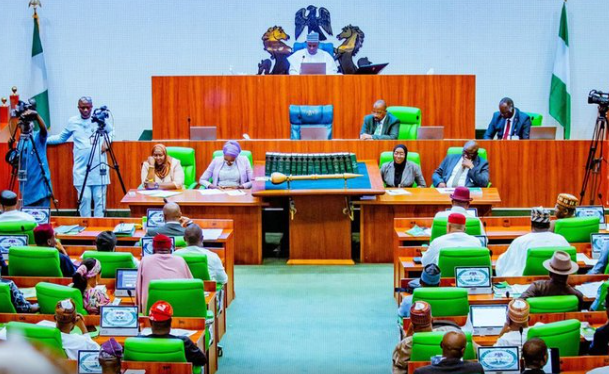
The approval came during Wednesday’s plenary session after Speaker Tajudeen Abbas read the President’s correspondence to the lawmakers.
President Tinubu stated the loan is crucial due to a $47 million increase in the project’s cost, pushing it from $700 million to $747 million.
He clarified that when the initial borrowing plan was submitted to parliament, lenders had only committed $700 million, with export credit agencies covering the remaining shortfall.
The newly approved $347 million will address the updated funding needs for the project in the 2025–2026 borrowing plan.
“It is, therefore, necessary to increase the value of the financing for the project by $47m to ensure it aligns with the loan size agreed in the finance documents for the project,” the President wrote.
He noted that $300m is needed for the Nigerian universal communications access project, a landmark telecommunications initiative aimed at bridging the digital divide through the deployment of 7,000 telecommunications towers across hard-to-reach rural dwellings.
Persecondnews recalls that in May, Tinubu had sought the approval of the lawmakers to approve the 2025-2026 borrowing plan of $21.54bn, €2.19bn and ¥15bn, in addition to a €65m grant.
With the extra $47m for the Lagos-Calabar road project and $300 million for the universal communication access project, the initial $21.54bn has witnessed a marginal increase to $21.89bn.
On Wednesday, the House adopted the report presented by Rep. Abubakar Nalaraba (Nasarawa), who chairs the House Committee on Aids, Loans and Debt Management.
The lawmaker noted that despite increased borrowing, Nigeria’s debt portfolio “remains sustainable.”
He said, “At over N145tn, the debt-to-GDP ratio of about 50 per cent is within the international threshold (56 per cent).
“The current administration has succeeded in reducing the high debt service to revenue ratio from over 90 per cent to less than 70 per cent.
“The Federal Government’s capacity to service the new debt is bolstered by the anticipated revenue gains from the Nigerian Tax Act 2025, projected to grow by over 18 per cent year-on-year starting from 2026.”
Deputy Speaker Benjamin Kalu, who took over the plenary after the Speaker had left midway into the session, then approved the request.
Author








Leave a comment