











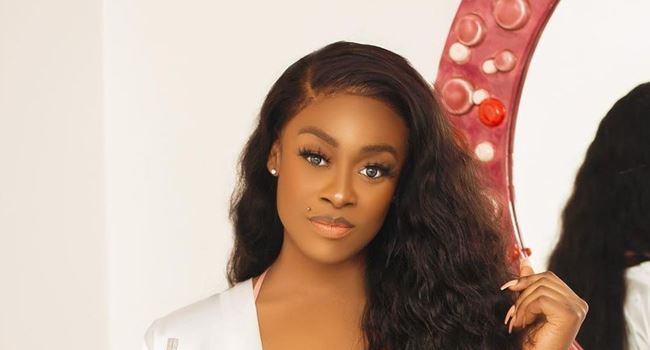



Former Big Brother Naija reality TV star, Uriel Oputa, has sparked considerable conversation with her recent frank comments on the difficulties of dating in Nigeria.
During a recent appearance on the Jasiri podcast, monitored by Per Second News, the reality TV personality and entrepreneur opened up about her struggle to find a decent man in the country, particularly as a woman who is confident, accomplished, and in her late 30s.
In a now-viral clip from the interview, Uriel stated plainly, “It’s really hard to find a decent man in Nigeria.”
Her statement, which was shared on X (formerly Twitter), has sparked a flurry of reactions from fans and social commentators, many of whom praised her for voicing what many women are experiencing but often hesitate to say publicly.
Delving deeper during the podcast, Uriel reflected on how age, emotional readiness, and mismatched intentions have made modern relationships increasingly difficult.
“You meet a man who seems perfect on paper, but when it comes to emotional readiness, he’s just not there,” she said.
According to her, many of the men she encounters lack consistency, accountability, and genuine intentions.
Uriel, who has long embraced her age and growth, was unapologetic in her stance.
“Being in my late 30s, I’m done playing games. I want honesty, loyalty, someone who stands by his word,” she asserted.
She also drew attention to how the dating pool is skewed by societal preferences, noting with a mix of humour and honesty that younger, curvier Gen Z women tend to attract the attention of men across all age groups.
“It’s like we’re competing with hips and TikTok trends now,” she said jokingly.
Her remarks triggered both empathy and debate. While many women applauded her vulnerability and relatability, some critics argued that Uriel’s standards might be too high.
Still, the overwhelming majority appreciated her refusal to conform to societal pressures that suggest a woman should lower her expectations as she ages.
Uriel has never shied away from being vocal on social issues, particularly those that affect women.
Her platforms have become a vital space for many young Nigerians, reflecting their experiences as they challenge societal norms—from ageism to outdated beauty standards.
Author








Leave a comment