










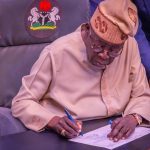
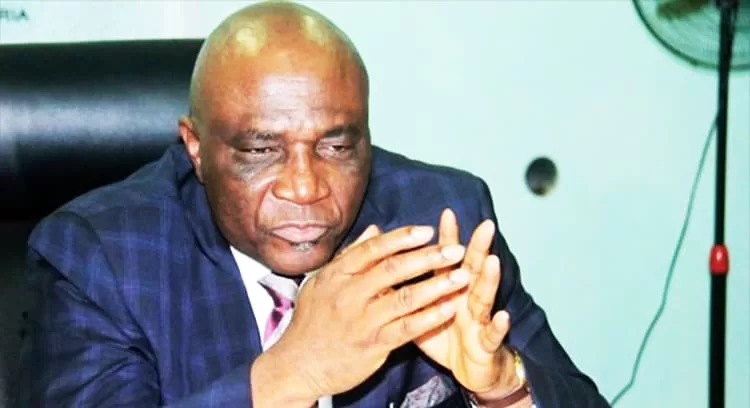



The Presidency has clarified the misconceptions about the tax reform of the Tinubu administration, saying it aims to streamline Nigeria’s tax administration processes, enhance efficiency, and eliminate redundancies.
Mr. Bayo Onanuga, Special Adviser to the President on Information and Strategy, in a statement in Abuja on Saturday provided insight into the tax reform bills endorsed by President Bola Tinubu and the Federal Executive Council.
The Northern Governors’ Forum, under the leadership of Governor Muhammed Inuwa Yahaya of Gombe State, has expressed opposition to the new derivation-based model for value-added tax (VAT) distribution in the tax reform bills before the National Assembly, according to Persecondnews.
On October 28, the forum, which included traditional rulers from the region led by Muhammadu Sa’ad Abubakar III, the Sultan of Sokoto, conveyed their concerns.
“These reforms emerged after an extensive review of existing tax laws. The National Assembly is considering four executive bills designed to transform and modernize Nigeria’s tax landscape.
“First is the Nigeria Tax Bill, which aims to eliminate unintended multiple taxation and make Nigeria’s economy more competitive by simplifying tax obligations for businesses and individuals nationwide.
“Second, the Nigeria Tax Administration Bill (NTAB) proposes new rules governing the administration of all taxes in the country.
“Its objective is to harmonize tax administrative processes across federal, state, and local jurisdictions for ease of compliance for taxpayers in all parts of the country,” Onanuga stated.
He added that the third bill, the Nigeria Revenue Service (Establishment) Bill, seeks to rename the Federal Inland Revenue Service (FIRS) as the Nigeria Revenue Service (NRS).
Onanuga assured that the reforms would not increase taxes, lead to job losses, or absorb existing departments’ duties; instead, they aimed to optimize and simplify tax frameworks, ensuring a more equitable distribution of tax obligations.
He said the reforms also sought to consolidate multiple taxes into a unified structure, reducing administrative fragmentation.
On the proposed derivation-based VAT distribution model, Onanuga said the new proposal aimed to create a fairer system, considering the place of supply or consumption for relevant goods and services.
He said the reform would benefit states in the Northern region that produced VAT-exempt goods, ensuring they did not lose out on revenue.
“These reforms are crucial to the improving Nigerians’ lives and were not intended to undermine any part of the country.”
He expressed the optimism that the bills would overhaul the country’s tax systems and generate revenue for all tiers of government to fund development projects.
Author










Leave a comment