











FeaturedHighlight

Global Wealth Grew 66% Between 1995 and 2014- World Bank

1.4k

Global wealth grew significantly over the past two decades but per capita wealth declined or stagnated in more than two dozen countries in various income brackets, says a new World Bank report.

The report said global wealth grew by 66% between 1995 and 2014 to a total of over 1,140 Trillion dollars.

Going beyond traditional measures such as GDP, the report uses wealth to monitor countries’ economic progress and sustainability.

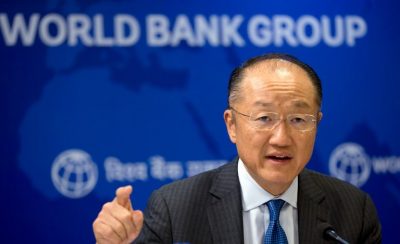
“By building and fostering human and natural capital, countries around the world can bolster wealth and grow stronger, said  World Bank Group President Jim Yong Kim.

The World Bank Group is accelerating its effort to help countries invest more – and more effectively – in their people, he said.

“There cannot be sustained and reliable development if we don’t consider human capital as the largest component of the wealth of nations.”

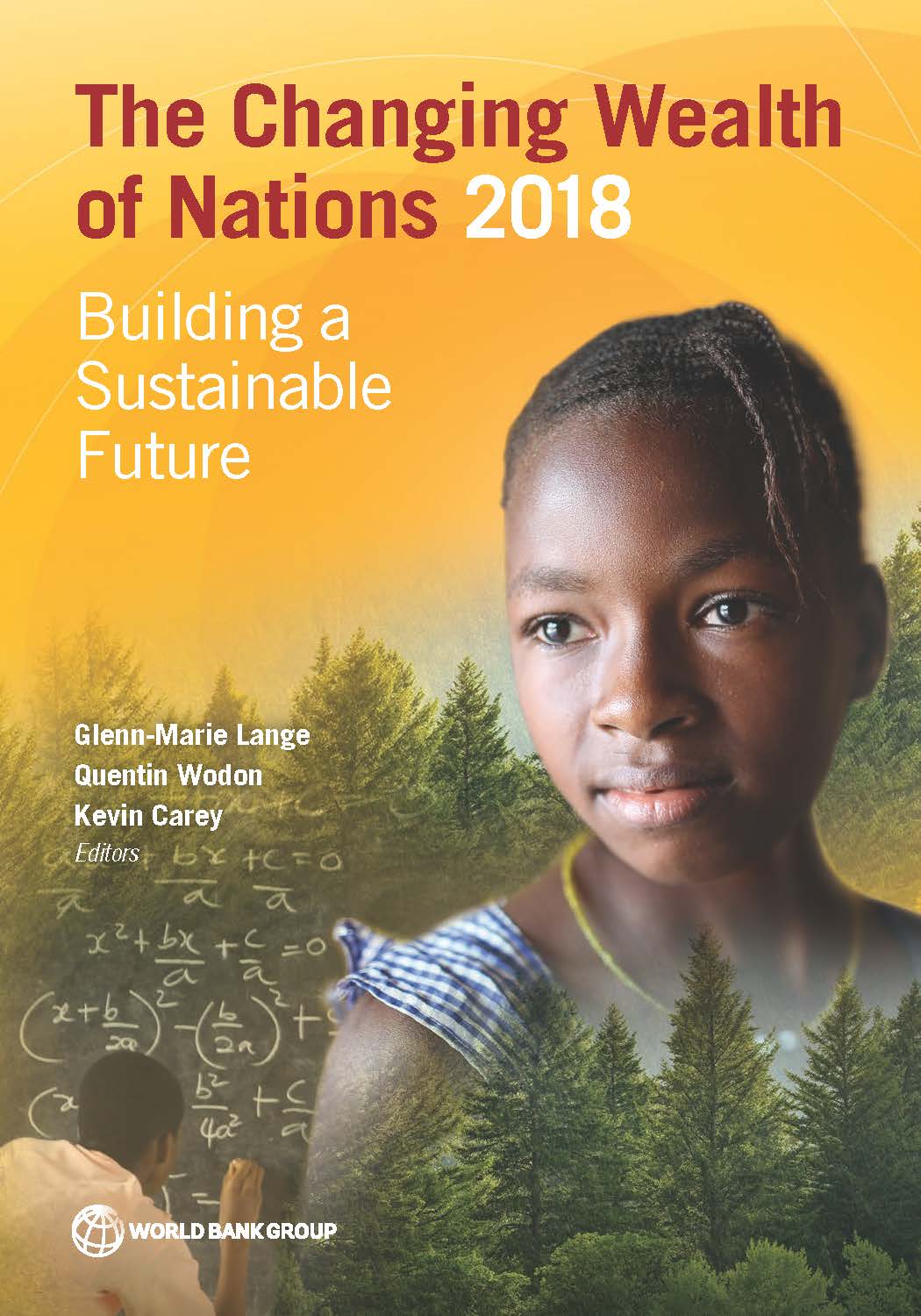
The Changing Wealth of Nations 2018 tracks the wealth of 141 countries between 1995 and 2014 by aggregating natural capital (such as forests and minerals), human capital (earnings over a person’s lifetime); produced capital (buildings, infrastructure, etc.) and net foreign assets. Human capital was the largest component of wealth overall while natural capital made up nearly half of wealth in low-income countries, the report found.
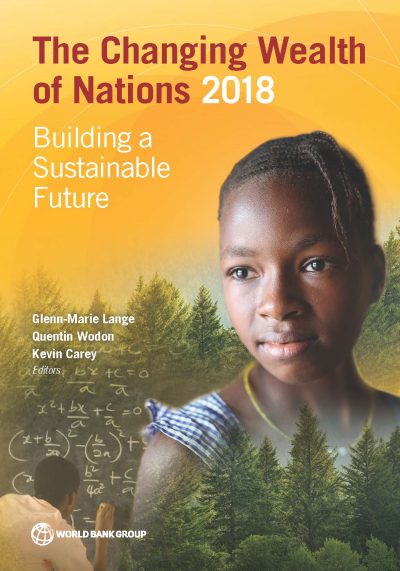
In the report cited by Per Second News on Tuesday, richer countries clearly have greater wealth per person than low- income countries, but development and the composition of national wealth are strongly related. The share of natural capital gradually declines as countries graduate from low- to middle- and high-income status.

The report also said despite growth in agricultural assets in Sub-Saharan Africa, growth did not keep pace with population growth in a large number of countries, and per capita agricultural land value declined. These are countries where significant numbers of people rely on agriculture for livelihoods, such as Cote d’Ivoire, Nigeria, Tanzania, and Zambia. By contrast, signi cant gains were achieved in countries such as Ethiopia, Mozambique, Namibia, and Uganda.
“Sub- Saharan Africa as a whole has been affected by a decline in total wealth per capita from losses in a few large countries, as well as high rates of population growth in most countries that dilute the benefits from growth

in wealth. The challenge for Sub-Saharan Africa in the next decade will be to harness the bene ts of the demographic dividend so that standards of living can rise more rapidly without depleting natural capital. Doing so will require substantial investments in all assets, especially in the human capital needed for growth.


Leave a comment

Related Articles

House of Reps Flags Unauthorized Changes to Tax Laws

Rep. Abdussamad Dasuki has alerted the House of Representatives to alleged discrepancies...

Just In: 4 Onboard as Aircraft Crashes in Owerri

A Cessna 172, registered as 5N-ASR and operated by Skypower Express, crashed...

ADC’s Promotion Blocked After Military Protests, Tinubu Backs Down

President Bola Tinubu has reportedly halted the extraordinary promotion planned for his...

Defensive Woes Haunt Super Eagles in Egypt Friendly Ahead of AFCON 2025

Nigeria’s Super Eagles suffered a 2-1 defeat to Egypt in a friendly...

Gas Supply Issues Cripple National Grid, Power Generation Drops – NISO

By Joycelyn Ellakeche Adah Nigeria’s national electricity grid has experienced a decline...

Fagbemi Hails Supreme Court Ruling on Rivers Emergency, Says It’s a Win for Nigerians

The Attorney General of the Federation and Minister of Justice, Prince Lateef...

SGF Suspends NAFDAC’s Enforcement on Sachet Alcohol Ban

By Maryanne Awuya The Office of the Secretary to the Government of...

Tinted Glass Policy: NBA Threatens Legal Action Against IG, Police Spokesman

The proposed reinstatement of the motor vehicle tinted glass permit policy continues...

National Energy Survey: REA, NBS Partner to Strengthen Nigeria’s Power Sector Data

By Joycelyn Ellakeche Adah The Rural Electrification Agency (REA) and the National...

Insecurity and Women: FG Unveils Comprehensive Plan for Support and Protection

By Maryanne Awuya As part of efforts to address the impact of...

Just In: Ex-Chief Justice Of Nigeria Tanko Muhammad Exits 2 Weeks Shy of 72

Just two weeks to his 72nd birthday, former Chief Justice of Nigeria...

Dangote Provides Details of NMDPRA CEO’s Alleged $5m Swiss School Fees

Aliko Dangote, chairman of the Dangote Group, has revealed further details of...

Dangote-NMDPRA Rift: Reps Intervene, Summon Parties For Explanation

The House of Representatives Committee on Petroleum Resources (Downstream) has stepped in...

FG Pledges Support for Nigerian Army Modernization and Welfare

The Federal Government has reaffirmed its commitment to the Nigerian Army, promising...

Alleged N2.2bln Fraud: Buhari’s Minister Ngige to remain in Kuje prison till Dec. 18

Justice Maryam Aliyu Hassan of a High Court of the Federal Capital...

Just In: Nigeria’s Inflation Rate Drops to 14.45% in November 2025, Lowest in Five Years

Nigeria’s headline inflation rate has slowed down to 14.45% in November 2025,...

Emergency Rule: Supreme Court Justices Divided on President’s Power to Suspend Gov, Others

The Supreme Court affirmed the constitutional right of the President to declare...

AFCON 2025: 11 in Super Eagles Camp in Cairo With Latest Arrival, Zaidu Sanusi

Talented FC Porto defender Zaidu Sanusi has landed in Cairo, Egypt, significantly...

US Consulate Invites Nigerian Students to Pre-Departure Orientation

The US Consulate General in Lagos has announced a pre-departure orientation session...

8 Months Later, Supreme Court Throws Out PDP’s Lawsuit Against Rivers Emergency Rule

Eight months after the Federal Government declared a state of emergency in...