










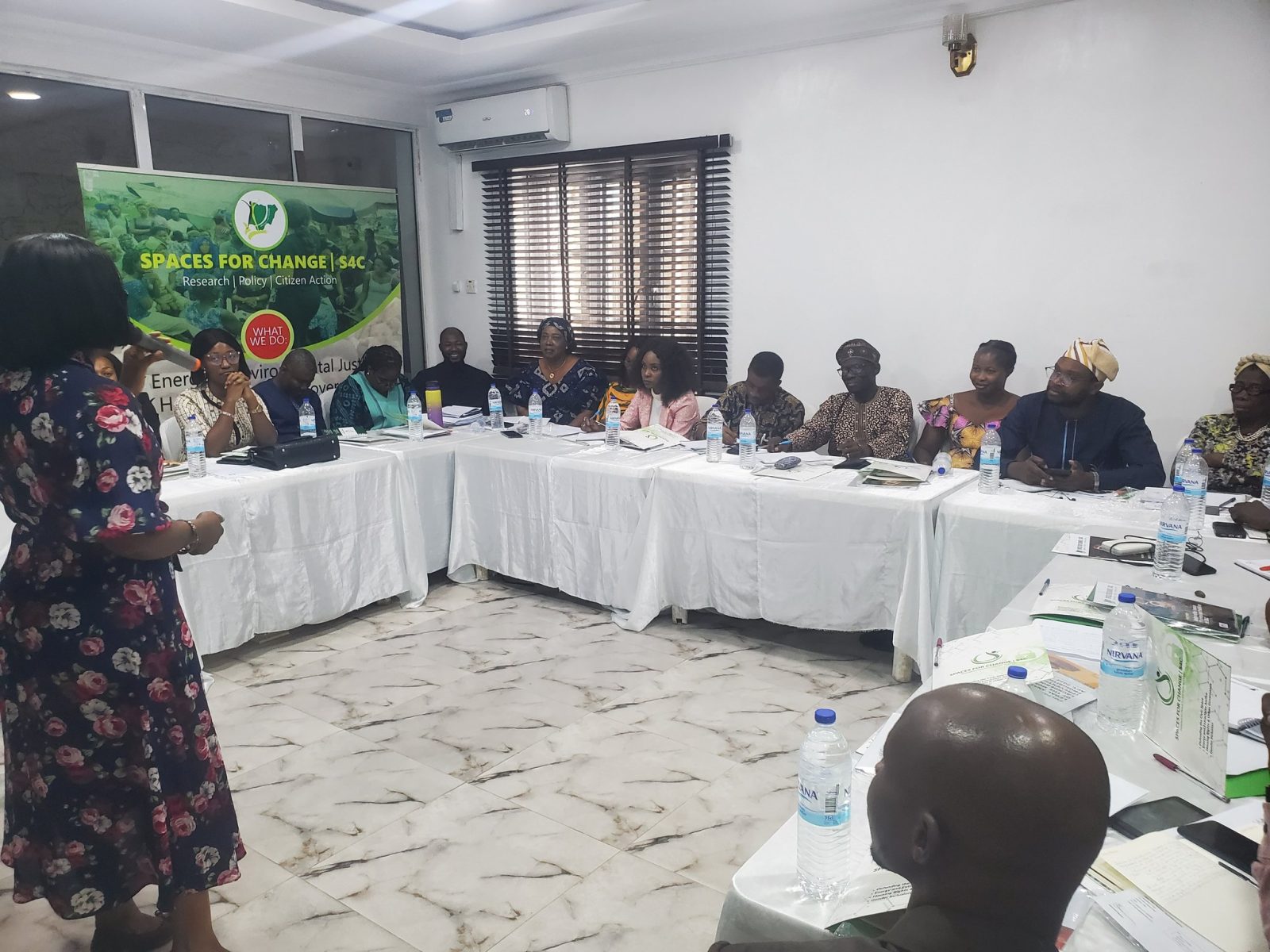



Spaces for Change (S4C), in collaboration with key partners including the Nigeria Extractive Industries Transparency Initiative (NEITI), the National Oil Spill Detection and Response Agency (NOSDRA), and the Federal Ministry of Solid Minerals Development, is hosting the fourth annual National Extractives Dialogue (NED2025).
With support from the Ford Foundation, this year’s dialogue will take place on July 30–31, 2025, in Uyo, Akwa Ibom State.
The central theme for NED2025 is: “Transitions, Divestments, and Critical Minerals: Charting a Just Future for Nigeria’s Extractive Sector.”
This vital two-day event will bring together over 150 stakeholders from across West Africa.
Attendees will include a diverse group of government officials, regulators, civil society actors, host community representatives, academics, and private sector leaders, all converging for a high-level, solutions-driven discussion on the future of extractive sector governance in Nigeria.
A statement by Victoria Ibezim-Ohaeri, the Executive Director, Spaces for Change (S4C), emailed to Persecondnews, said: “Nigeria’s extractives sector is undergoing a seismic shift. On one front, international oil companies are accelerating their exit from onshore oil assets, raising urgent questions around decommissioning, legacy pollution, and community safeguards.
“On another front, global demand for critical minerals like lithium and cobalt is drawing renewed attention to Nigeria’s untapped reserves and the regulatory and environmental frameworks that will govern their development.
“These shifts present both enormous risks and historic opportunities. Still, if left unchecked, they could deepen long-standing injustices in communities already burdened by pollution, displacement, and exclusion from decision-making processes.
“Against this backdrop, NED2025 comes at a defining moment to pause, reflect, and reframe Nigeria’s extractive future.”
This dialogue will interrogate pressing questions: How are divestment processes being managed? What safeguards are in place for host communities and ecosystems? How can Nigeria avoid a repeat of the extractive injustices of the past? What robust and accountable frameworks are needed to manage extractive transitions responsibly?
Since its inception, the National Extractives Dialogue has served as a constructive platform for spotlighting the complex realities in extractive governance in Nigeria and the broader West African region.
Past editions have inspired community-led action, catalyzed regulatory reforms, amplified marginalized voices, and deepened public discourse on accountability in the extractive sector.
NED2025 builds on this legacy, not only raising urgent questions, but also offering concrete strategies for reform.
The Dialogue will spotlight themes such as environmental remediation, host community rights, energy transition, climate justice, and investor accountability.
It will also feature regional reflections and cross-border learning, recognizing that Nigeria’s experience is deeply connected to broader dynamics across West Africa.
As global conversations on energy and mineral transitions accelerate, NED2025 issues a clear call: Nigeria must approach this new phase of extraction with foresight, grounded in the lessons of its past.
What lies ahead is not just an economic shift, but a defining moment that will shape the future of governance, equity, and environmental accountability in its extractive sector.
Whether this transition delivers meaningful progress or deepens existing disparities will depend on the choices made now and the strength of the institutions and safeguards put in place.
Author










Leave a comment