















Oil prices edged higher on Friday, despite heading for a small weekly loss, as investors weighed the impact of new European Union sanctions against Russia.
Brent crude futures climbed 50 cents, or 0.72%, to $70.02 a barrel, while U.S. West Texas Intermediate crude futures gained 61 cents, or 0.9%, to $68.15 a barrel.
The EU’s 18th sanctions package against Russia includes measures aimed at dealing further blows to Russia’s oil and energy industries.
The package lowers the G7’s price cap for buying Russian crude oil to $47.6 per barrel.
However, UBS analyst Giovanni Staunovo believes the market remains skeptical about the impact of these sanctions, saying, “Neither the price cap for Russian oil nor adding shadow fleet tankers on a sanction list managed to disrupt Russian oil exports so far.”
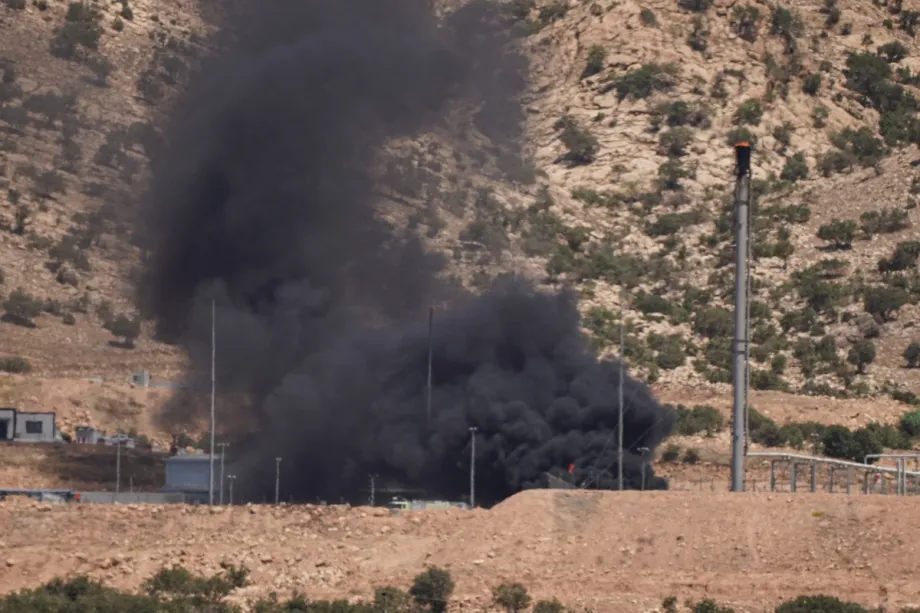
Four days of drone attacks on oilfields in Iraqi Kurdistan have supported prices, with both contracts rising by $1 on Thursday.
PVM analyst Tamas Varga notes that the attacks “are bound to take their toll as the region’s output has been slashed from 280,000 bpd to around 130,000 barrels per day.”
Officials suspect Iran-backed militias may be behind the attacks, although no group has claimed responsibility.
Despite the attacks, Iraq’s federal government announced that Iraqi Kurdistan will resume oil exports through a pipeline to Turkey after a two-year halt.
Investors are also awaiting news from the U.S. on possible further sanctions, after President Donald Trump threatened sanctions on buyers of Russian exports unless Moscow agrees to a peace deal in 50 days.
Commerzbank analysts believe the market is now focused on waiting for possible major changes in U.S. sanctions and tariff policy.
As the market navigates these developments, investors remain cautious, weighing the potential impact of sanctions and supply disruptions on global oil balances.
Author












Leave a comment