







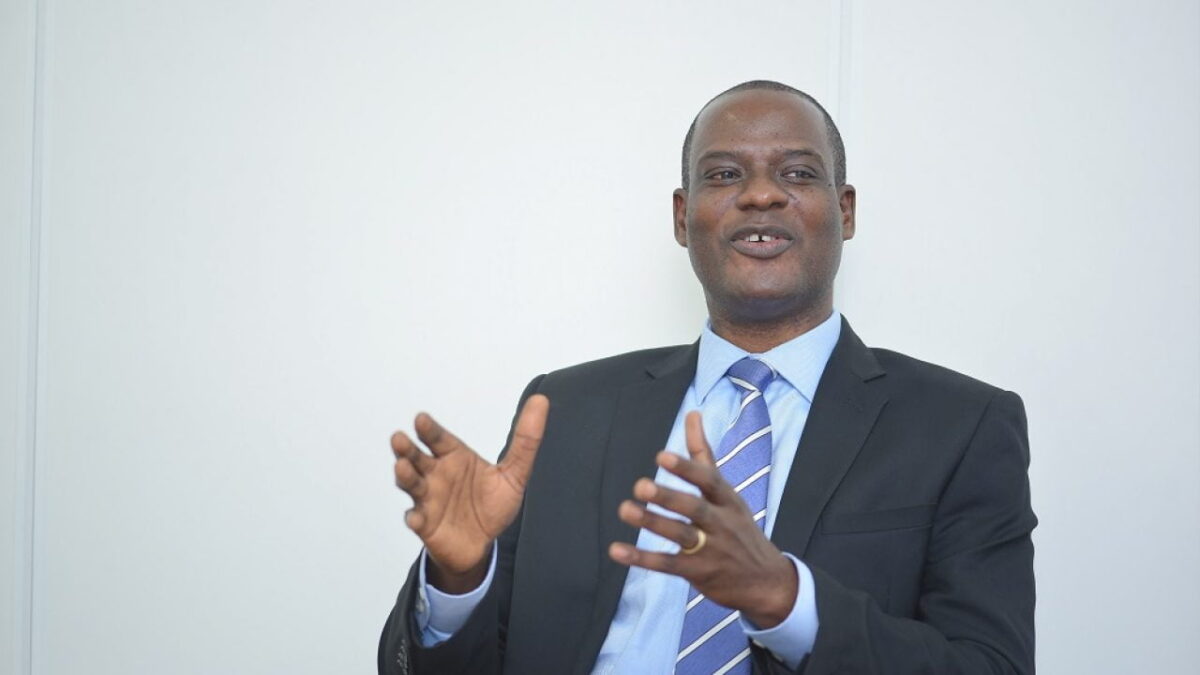
Nigeria’s membership of the International Electrotechnical Commission (IEC) is set to significantly boost local industries and enhance the global standing of “Made-in-Nigeria” products, according to Dr. Ifeanyi Okeke, Director General/CEO of the Standards Organization of Nigeria (SON).
He said this affiliation will foster trust in the quality of Nigerian goods, ensuring their unimpeded acceptance in international markets.
This aligns with the IEC’s principle of “one standard, one test, and one certificate accepted globally,” which will increase the global visibility of Nigerian manufacturers.
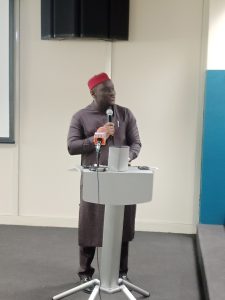
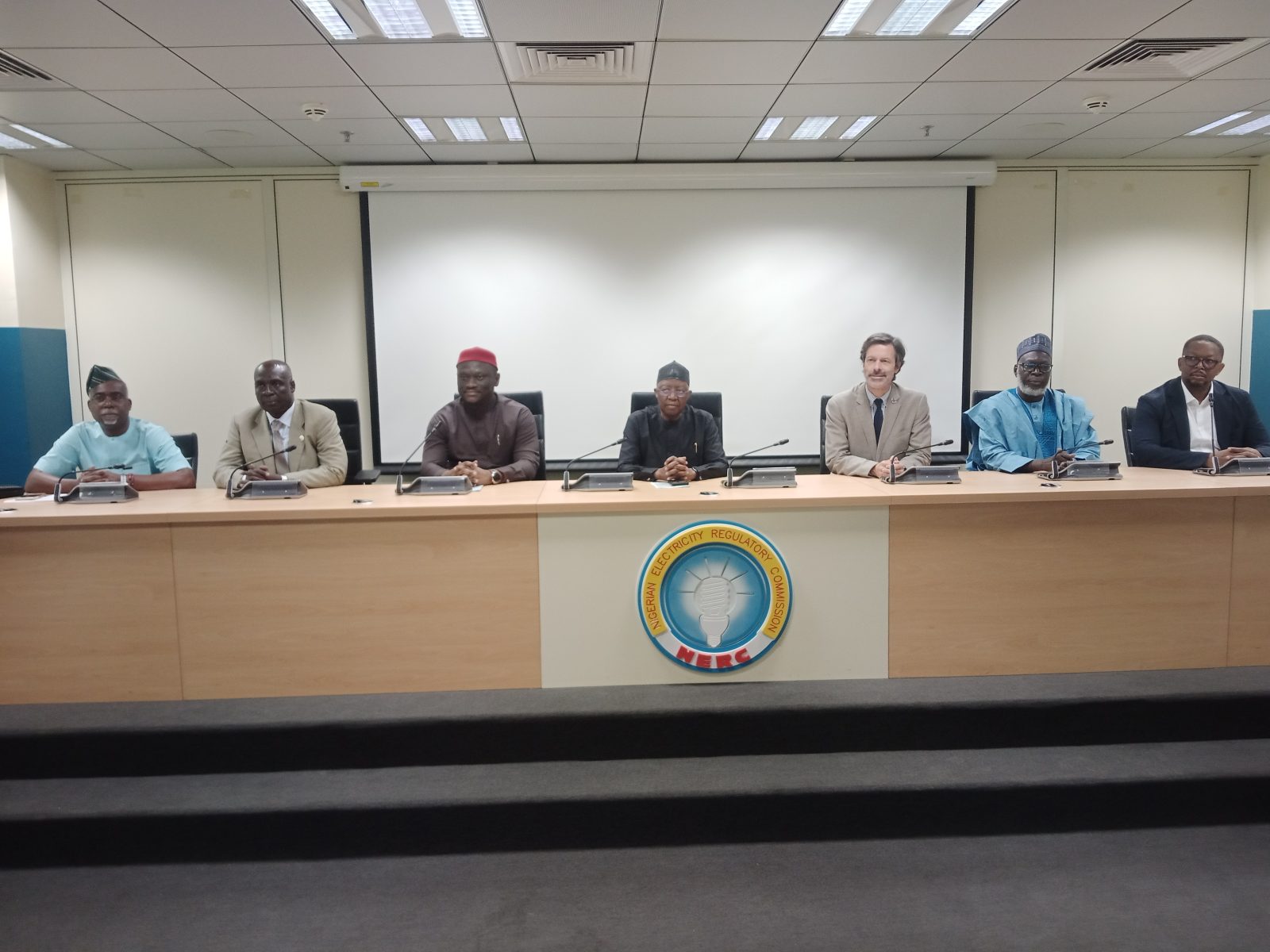
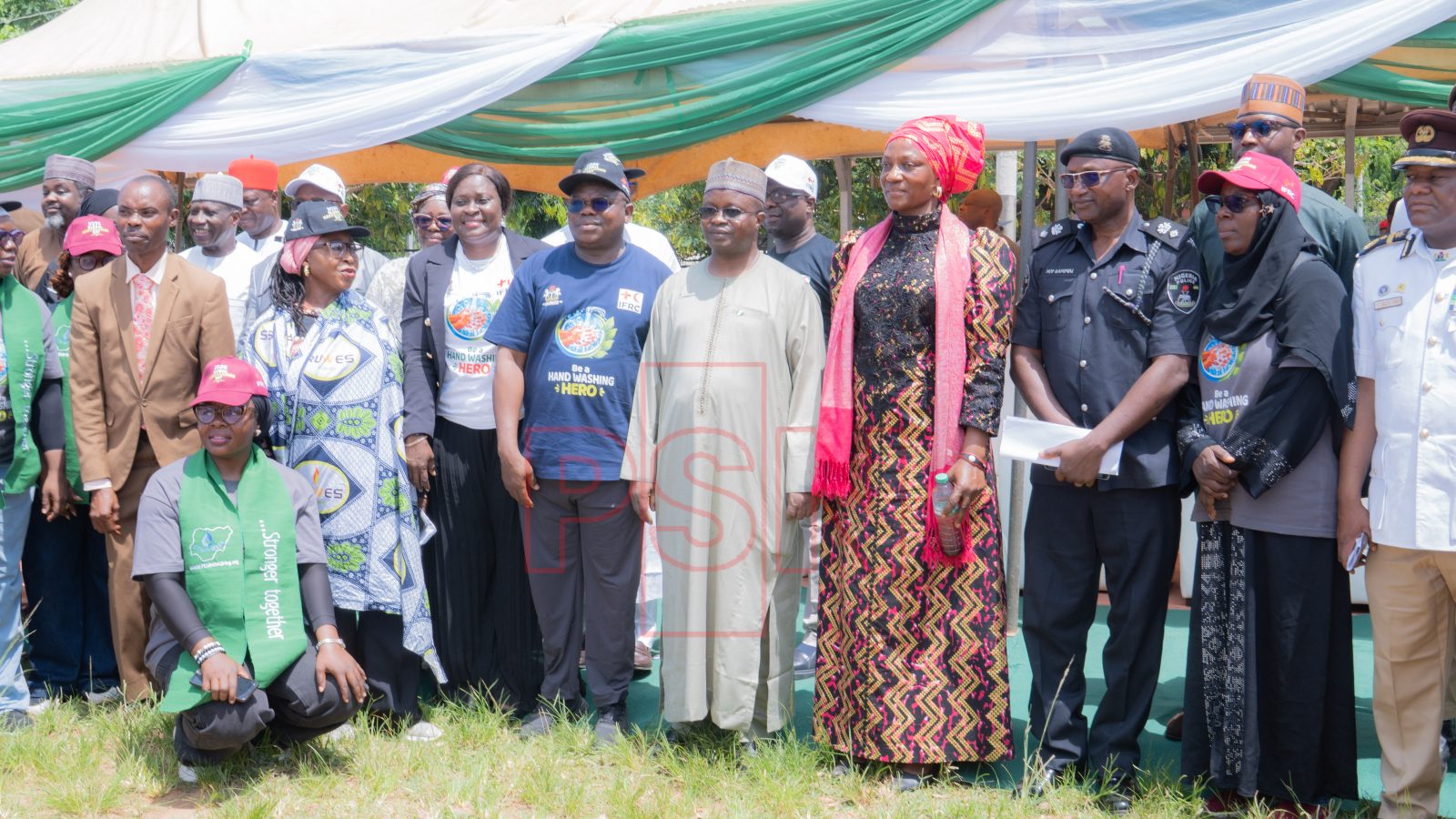
Okeke shared these insights at a stakeholders’ forum held in Abuja on Thursday, jointly organized by SON, the Nigerian Electricity Regulatory Commission (NERC), and the IEC.
Philippe Metzger, the IEC Secretary General/CEO, who was on a tour of IEC member states in Africa, was present at the event, as reported by Persecondnews.
According to Dr. Okeke, Nigeria’s IEC membership has already yielded substantial achievements, particularly in coordinating stakeholder engagement and contributing to the development of international standards for electrical and electronic products.
Furthermore, Nigeria recently joined the IEC System of Conformity Assessment Schemes for Electrotechnical Equipment and Components (IECEE).
This certification, based on IEC international standards, addresses the safety, quality, efficiency, and performance of electrical and electronic components, devices, and equipment.
He also said: “I take this opportunity to invite our manufacturers to take advantage of this scheme to access new markets, eliminate rejects, and market products faster with returns on investment. SON remains committed to ensuring you receive the right support to achieve this.
“The journey to enjoying safe and quality products starts with a commitment to being part of the standards development community. Through this platform, you can share your experience and expertise with others and, through consensus, contribute to the standards that are required for global trade.
Okeke said SON promotes global standardization by serving as the national secretariat for key international standards bodies, notably the IEC and the International Organisation for Standardization (ISO).
He said: “Although the IEC was established as a global standardization body for electrical and electronics products in 1906, Nigeria became an affiliate member of the IEC through SON in 2006 and a full member in 2017.
“The nationalisation of these standards through adoption has led to significant milestones, promoting local production of electrical and electronic products, notably resulting in Nigeria’s electric cables being amongst the best in the world.
“Nigeria, through SON, has access to thousands of IEC standards and has been supporting all standardization requests to ensure that local industries, research, and regulations align with global best practices.
“Nigeria is currently a member of 23 technical committees. These committees are mirrored nationally to enable Nigeria to contribute positions on draft standards relating to the scopes of the technical committees.
“Further technical committees are open for membership once new areas of interest with comparative advantages and competences are identified.
“Today’s forum is a rare opportunity for valuable discussions with Mr Metzger on ways to derive sustainable benefits from Nigeria’s membership of the IEC. We have therefore invited diverse stakeholders drawn from academia, manufacturers, researchers, regulators, consumers, traders, and others to participate.
“I am hopeful that by the end of this forum and other activities, all questions and challenges will have been addressed, to prepare for more active participation in standards development.”
In a brief goodwill message, Engr. Sanusi Garba, Chairman of NERC, highlighted the forum’s significance.
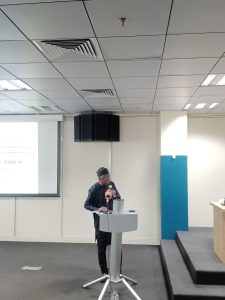
He noted that it not only fosters international cooperation and standards but also strengthens Nigeria’s role in the standardization of technical norms, facilitating the exchange of ideas among all stakeholders.
He said: “The timing of this event is particularly significant, especially now that Nigeria’s power sector is undergoing reform. Most notably, the enactment of the Electricity Act 2023 has presented clear challenges, particularly on the standardisation front.
“Nigeria will now have more than one regulator, with states assisting in regulation. There are standards set by NERC, and what we are telling the states is not to lower the standards but to support them.
“Standards are of paramount importance in the electricity market, given the potential risks to human life. Sadly, we have witnessed several instances where lapses in standards have resulted in the loss of innocent lives.
“Standards are designed to ensure compliance, and they are far more than just a document to file away. At this commission, our role is to rigorously enforce these standards, guaranteeing that safety and quality are always the top priority.
“I would like to extend my heartfelt gratitude to SON for partnering with us on this vital journey. Your collaboration has been instrumental, and we truly appreciate the dedication and expertise you have brought to the table.”
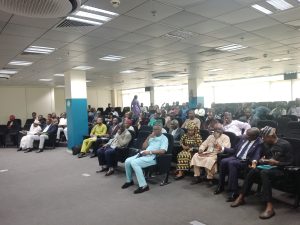
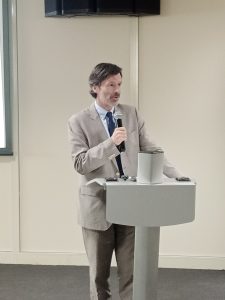
In his address, Mr Metzger expressed his delight at returning to Abuja, a city he had not visited in over a decade.
He acknowledged Nigeria’s pivotal role, noting that the country is one of the IEC’s most significant members from the African continent, underscoring its influence and contributions to the organisation’s work.
He said: “The IEC operates on a membership model, with one member per country and each member having an equal vote. This makes membership not just a formality, but a crucial aspect of our organisation.
“For me, it is essential to maintain direct contact with stakeholders across the globe, and Africa plays a vital role in our activities. Given its importance, I intend to continue visiting the continent regularly.
“We will continue to undertake joint missions, and we are also planning to bolster our presence in Nairobi, further solidifying our commitment to the region.
“Since its inception, the IEC has grown to encompass an impressive 170 countries as members, harnessing the expertise of 30,000 specialists across 200 technical committees.
“The organisation is currently driving forward 2,000 active projects, has published over 11,000 documents, and operates four robust Conformity Assessment Systems.
“To date, we have issued over 1,000,000 certificates worldwide, supported by our strategic presence in five Regional Centres.”
On the imperatives of international standards, Metzger said they will guarantee high levels of safety, reliability, and performance.
He also said: “They facilitate the seamless integration of products and systems on a global scale. Standards help companies enter global markets by meeting international requirements, reduce duplication, lower costs, and drive technological progress.
“They also support energy efficiency, environmental protection, and smart infrastructure, promoting the adoption of energy-efficient and sustainable technologies.”
Author



Leave a comment