













A new bill has scaled the first reading in the Senate, aiming to ban the use of foreign currencies for transactions within Nigeria.
The proposed legislation, sponsored by Senator Ned Nwoko, seeks to make the naira the mandatory currency for all transactions, including salaries, within the country.
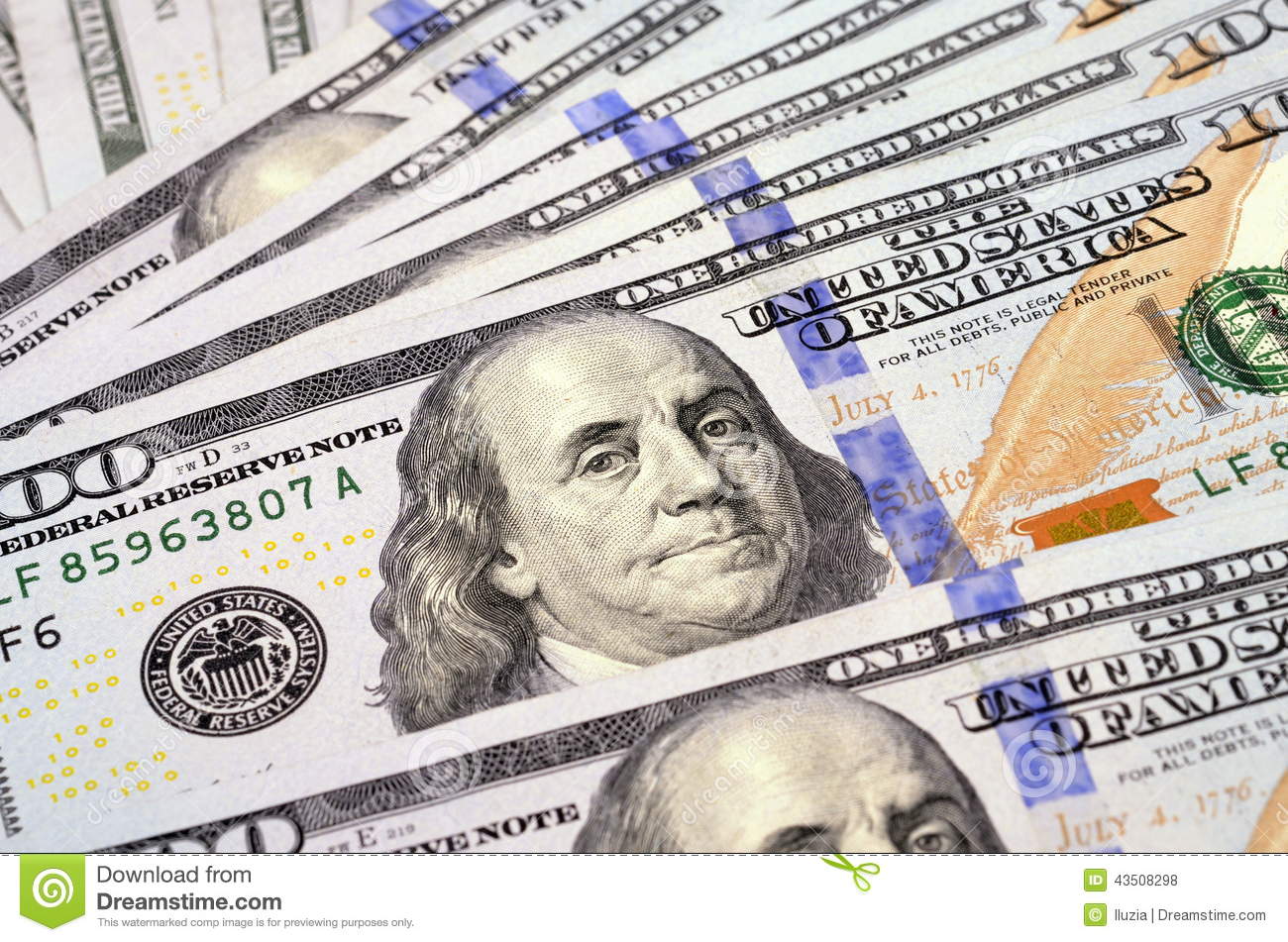
This move is intended to curb the widespread use of foreign currencies, particularly the US dollar, in Nigeria’s financial system. According to Senator Nwoko, the use of foreign currencies undermines the value of the naira, perpetuating economic challenges
The bill has sparked mixed reactions, with some viewing it as a positive step towards economic independence and others expressing concerns about its potential impact on businesses and individuals who rely on foreign currencies.
The bill is titled “A Bill for an Act to Alter the Central Bank of Nigeria Act, 2007, No. 7.
Nwoko argues that the prevalent use of foreign currencies in Nigeria’s financial system significantly erodes the value of the Naira, ultimately exacerbating the country’s economic challenges.
The lawmaker condemned the widespread use of foreign currencies like the US Dollar and Pound Sterling in Nigerian transactions, labeling it a lingering colonial relic that stifles the country’s economic independence.
The bill mandates that all salaries, transactions, and payments in Nigeria, including those for expatriates, be made exclusively in Naira, effectively prohibiting the use of foreign currencies for such purposes.
It stipulates that Nigeria’s crude oil and other export commodities must be sold solely in Naira, thereby obliging international buyers to acquire the local currency, which is expected to boost demand and, in turn, appreciate the Naira’s value.
The bill seeks to abolish informal currency markets that undermine the formal economy and encourage unethical practices such as round-tripping by banks.
It directs banks to provide loans at affordable interest rates to stimulate industrialization and economic growth.
The bill advocates storing Nigeria’s foreign reserves domestically to safeguard the country’s economic sovereignty and reduce exposure to external vulnerabilities.
It will reclaim monetary independence by prioritizing the Naira for both domestic and international transactions.
The bill will increase the currency’s value through higher demand driven by its exclusive use for exports.
It will foster fairness in salary payments by standardizing remuneration in Naira for both local and expatriate workers.
The bill will support the manufacturing sector with accessible credit facilities to encourage local production and reduce dependency on imports.
It will build a diversified and resilient economy through coordinated monetary and fiscal policies.
Nwoko reassured Nigerians that the process of obtaining foreign exchange for travel and other legitimate purposes will be simplified through banking reforms, addressing concerns about accessing Basic Travel Allowance (BTA) and other forex needs.
He cited Morocco’s successful policy of using its local currency exclusively for domestic transactions, which has maintained the stability of the Moroccan Dirham against major currencies for over 35 years.
According to Nwoko, the proposed legislation has the potential to usher in a transformative era for Nigeria, driving economic growth, fostering cultural pride, and promoting sustainable development, all of which would be anchored in the strength and stability of the country’s currency, the Naira.
Nwoko has been a driving force in the quest to strengthen the Nigerian naira against foreign currencies.
Persecondnews recalls that the Senator in a media briefing on November 17, likened the widespread use of foreign currencies such as the US Dollar and Pound Sterling in Nigeria to a lingering “colonial hangover”.
According to him, Nigeria gained independence from the United Kingdom in 1960, but 60 years later, the country still struggles to achieve economic independence.
He said: “I keep talking about it because I’ve seen it work around the world. If you go to the United Kingdom, United States of America, or France, the only currency they use in those countries is their local currency. The dollar is a global currency.
“From the time we gained our independence, or they gave us freedom as it were, our people did not understand that we got political independence but not economic independence. Economically, we are totally dependent on the West, and that’s our problem.
“Economically, we are totally dependent on the West, and that’s our problem. How do we depend on them? They made us use their currencies, but we have never been able to convince any of them to use our own currency.”
The Nigerian naira has been experiencing a decline in value, with its exchange rate plummeting against major foreign currencies, particularly the US dollar.
Author








Leave a comment