









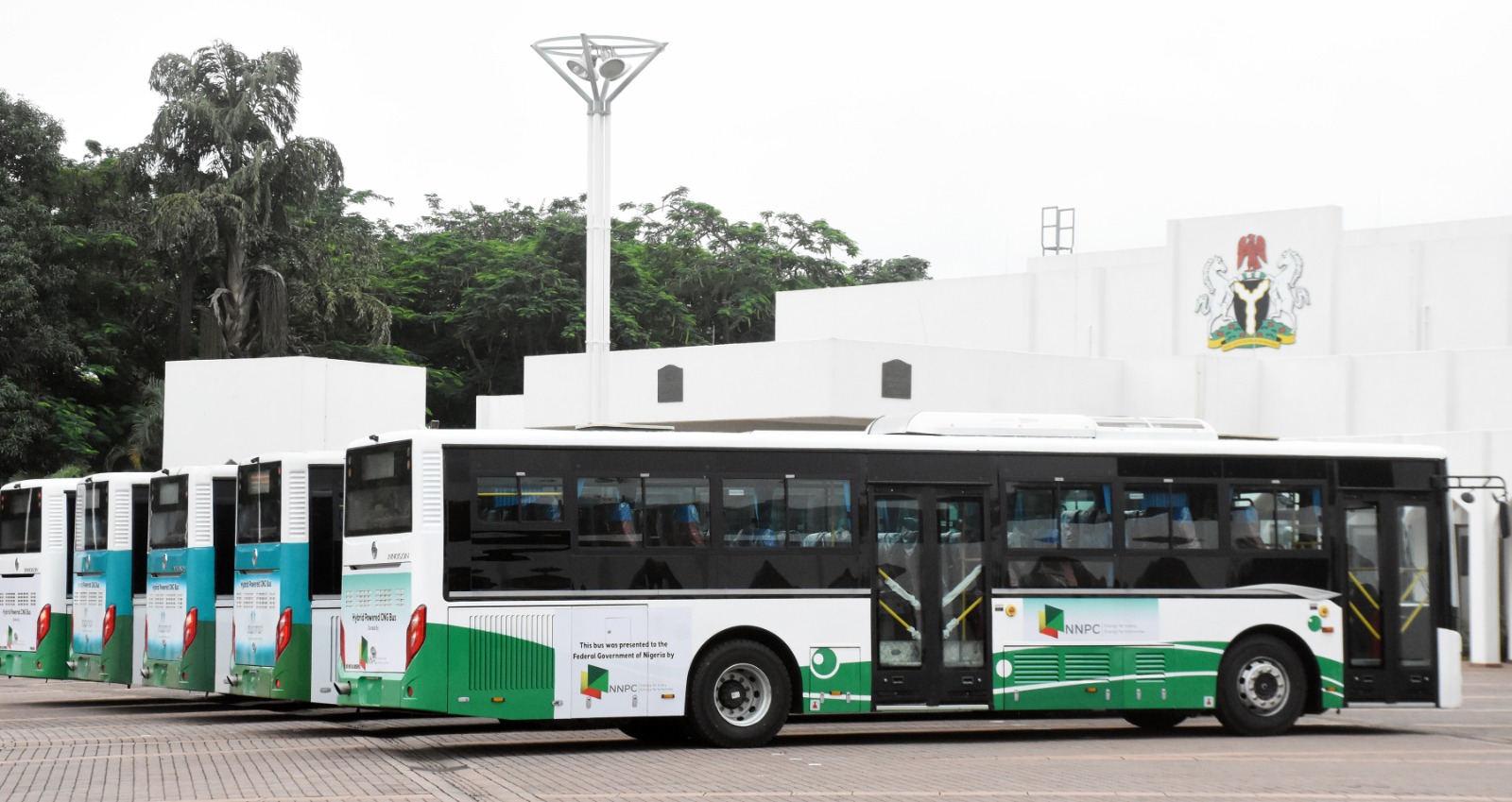




The Presidency has addressed concerns on the safety of Compressed Natural Gas (CNG)-powered vehicles recently introduced as an alternative to petrol-powered cars.
The reassurance comes after Malaysia announced plans to phase out CNG vehicles by 2025 due to safety concerns over ageing CNG tanks.
Special Adviser to President Bola Tinubu on Information and Strategy, Mr. Bayo Onanuga, clarified on Thursday that Malaysia’s policy focuses on Liquefied Petroleum Gas (LPG) safety, not CNG.
“Nigeria chose CNG for its safety and cost-effectiveness, with plans to develop domestic tank manufacturing capacity,” Persecondnews quotes Onanuga as saying.
According to Onanuga, Malaysia’s struggles with CNG-powered vehicles achieved only a 0.2% conversion rate over 15 years. In contrast, countries like India, China, Iran, and Egypt have seen significant success with CNG adoption.
He said: “Some clarification on Malaysia’s plan to phase out CNG-powered vehicles:
“The Malaysian issue relates to the safety of LPG, NOT CNG. In the original report, Transport Minister Anthony Loke stated, ‘There are also some car owners who have modified their vehicles using liquefied petroleum gas (LPG) cylinders, which are very dangerous.’
“NGV covers both CNG and LPG. Nigeria, in its transition, has adopted CNG ONLY, not both, due to valid safety and cost concerns regarding LPG.”
The Presidential CNG Initiative (Pi-CNG) aims to transform Nigeria’s transportation sector by providing a more sustainable, cost-effective, and environmentally friendly alternative to traditional fuel sources.
The initiative’s objectives include reducing transportation costs, improving environmental quality, creating job opportunities, and encouraging investments in Nigeria’s abundant gas resources.
The Programme Director at Pi-CNG, Mr. Michael Oluwagbemi, noted that the initiative has attracted over $175 million in investments and created thousands of direct and indirect jobs.
He assured that standards will be maintained and Nigerians will not be exploited, despite the government not setting prices.
The CNG initiative is part of Nigeria’s efforts to reduce dependence on imported fuels and mitigate the impact of fuel subsidy removal.
Nigeria stands to gain from the adoption of CNG-powered vehicles due to the development of local manufacturing capacity.
Author












Leave a comment