













Nigeria’s economy recorded stronger growth in the second quarter of 2026, expanding by 4.43 per cent year-on-year and strengthening the Federal Government’s projection of achieving a $1 trillion economy by 2030.
The Federal Ministry of Finance disclosed this in a statement issued in Abuja on Tuesday, describing the latest figures as evidence of sustained economic recovery and increasingly broad-based growth.
The second-quarter performance surpassed the 4.23 per cent recorded during the corresponding period of 2025 and the 3.89 per cent registered in the first quarter of 2026.
According to the ministry, the latest expansion lifted Nigeria’s real GDP growth for the first half of 2026 to 4.16 per cent, compared with 3.68 per cent during the same period last year.
The ministry said growth was no longer concentrated in a few industries, noting that 27 economic subsectors expanded by more than three per cent during the quarter, up from 23 subsectors in the second quarter of 2025.
Manufacturing recorded one of the strongest improvements, growing by 3.24 per cent—more than double the 1.60 per cent achieved during the corresponding period last year.
Agriculture expanded by 4.39 per cent, up from 2.82 per cent, while the services sector, which remains the economy’s largest growth driver, increased by 4.60 per cent compared with 3.94 per cent in the second quarter of 2025.
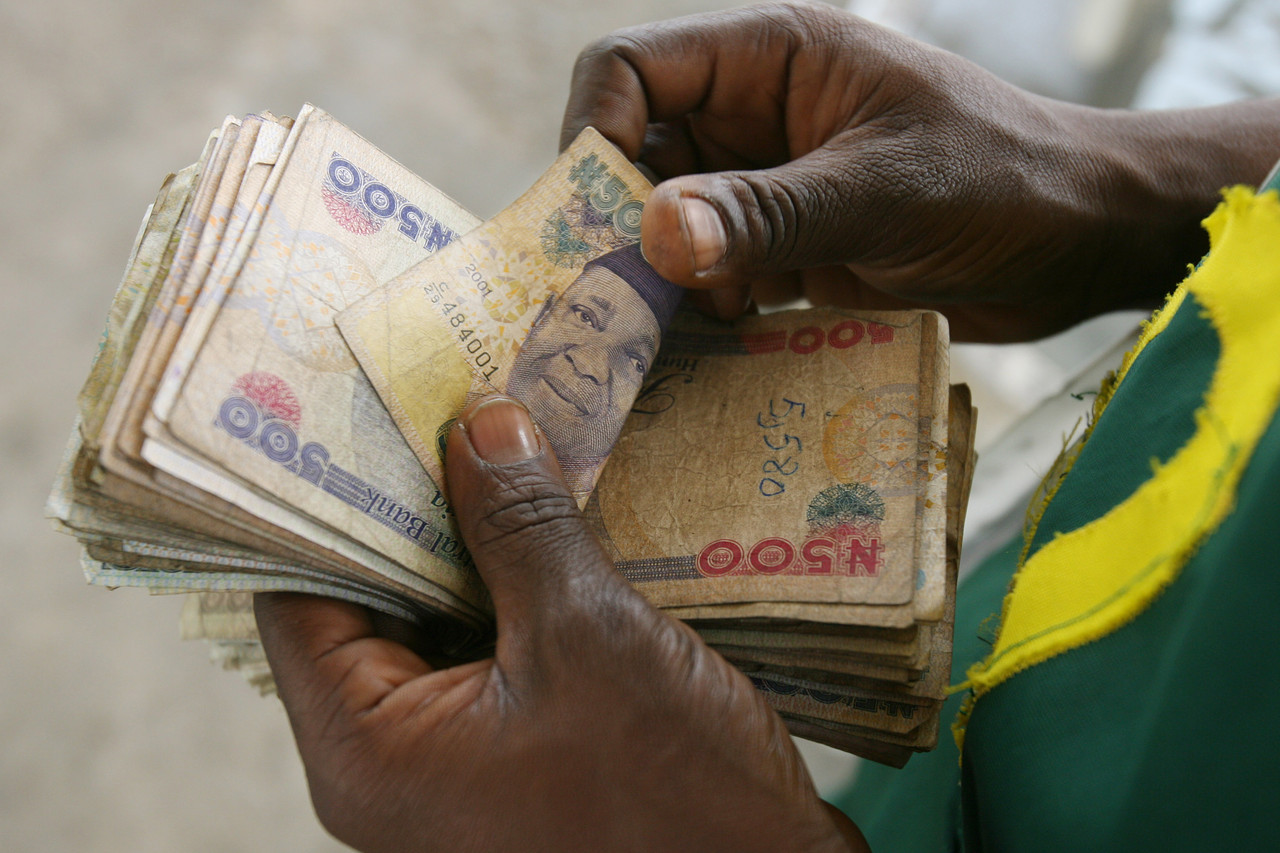
The ministry also attributed the economy’s stronger dollar valuation to the relative stability and appreciation of the naira, which it said gained more than 12 per cent between the first half of 2025 and the corresponding period of 2026.
It added that the development resulted in an estimated 17 per cent expansion of the economy in United States dollar terms.
According to the government, sustaining the momentum alongside its social-intervention programmes could strengthen dollar-denominated incomes, improve purchasing power and lift millions of Nigerians out of poverty.
The ministry said Nigeria was increasingly well-positioned to consolidate its place among Africa’s largest economies and advance toward the government’s $1 trillion GDP target by 2030.
It cited projections by the International Monetary Fund ranking Nigeria among the 10 largest contributors to global real GDP growth in 2026, with the country expected to account for approximately 1.5 per cent of worldwide growth.
The ministry further projected that continued macroeconomic stability, expansion across productive sectors and improving investor confidence could position Nigeria to become Africa’s largest economy by 2028.
“These results underscore the importance of sustaining our reforms and ensuring policy consistency as their benefits begin to reach households across the country,” the ministry stated.
It reaffirmed the Federal Government’s commitment to accelerating inclusive economic growth and translating improving macroeconomic indicators into prosperity for Nigerian families.
Author




Leave a comment