











By Omoyeni Ojeifo
Recurring Afrophobic attacks against Nigerians in South Africa have prompted President Cyril Ramaphosa to dispatch his Minister of International Relations and Cooperation, Ronald Lamola, as a Special Envoy to Nigeria.
The visit followed repeated attacks on Nigerians in South Africa that forced the Federal Government to repatriate nearly 1,500 citizens, as both countries sought to ease tensions and strengthen their longstanding bilateral relations
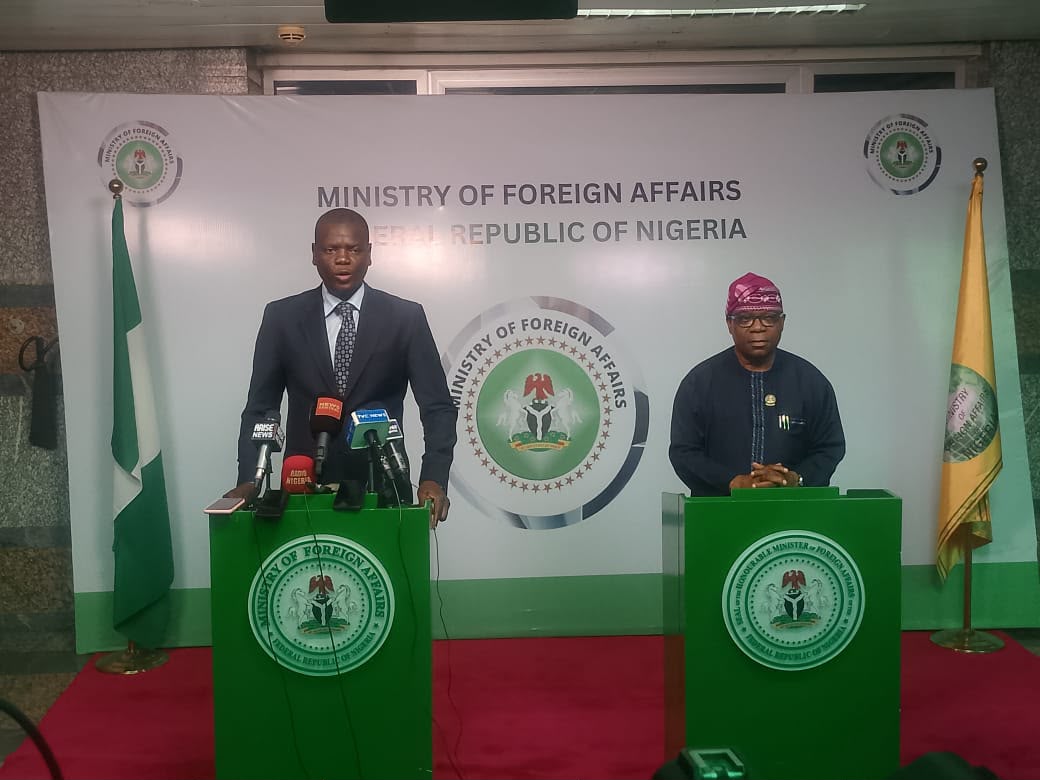
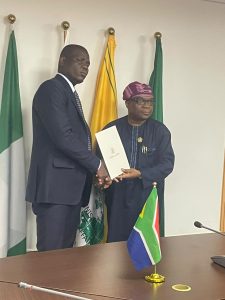
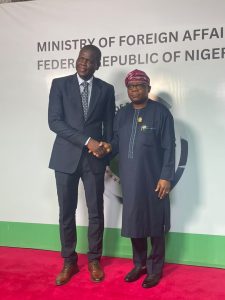
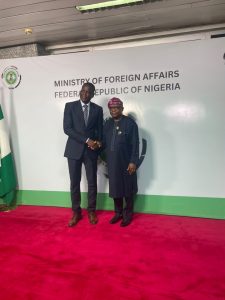
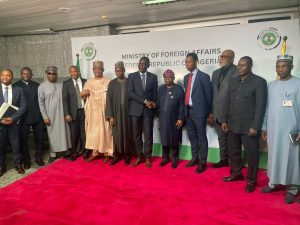
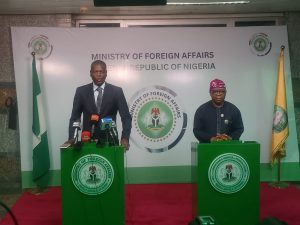
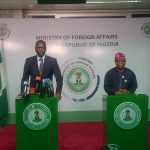
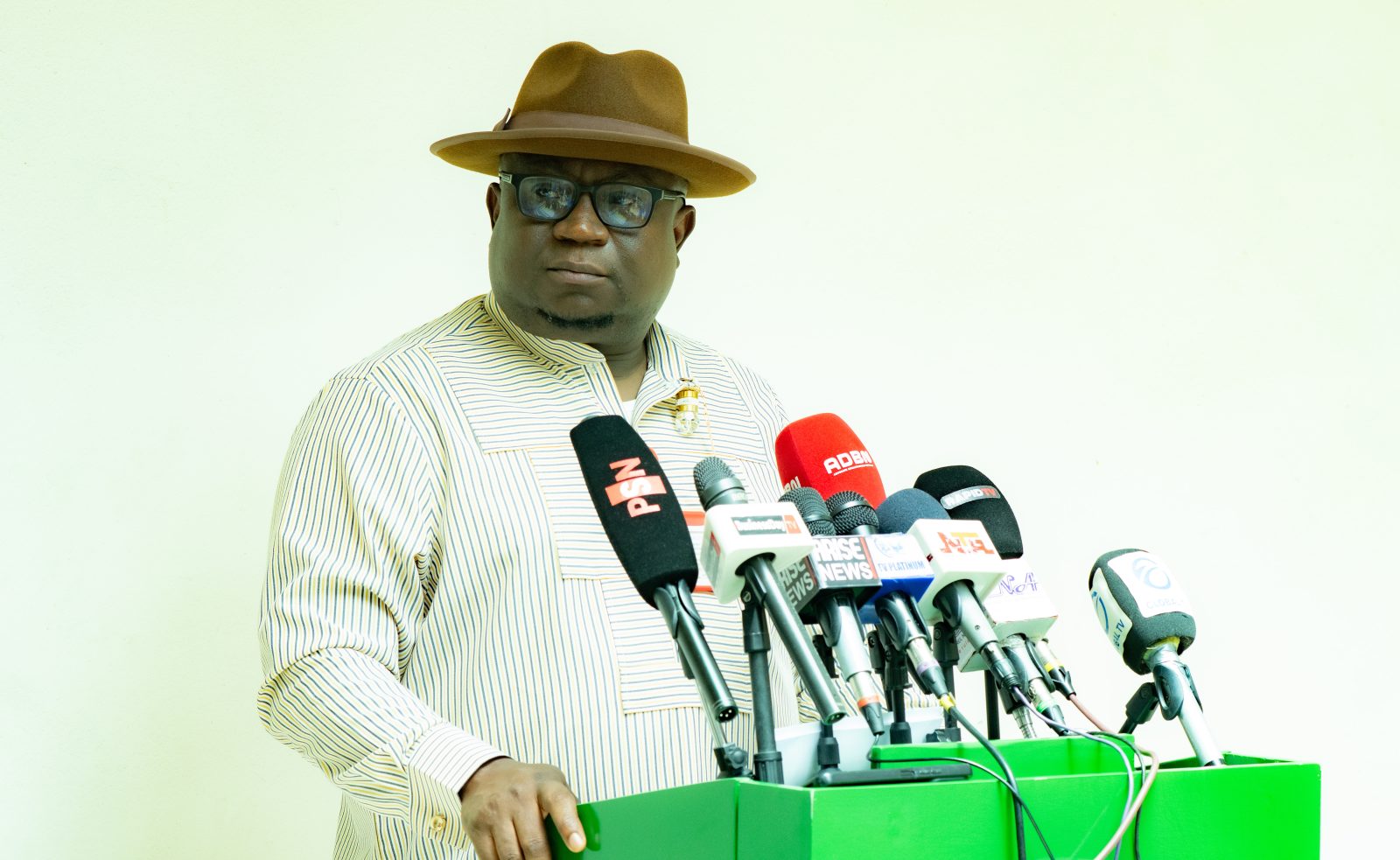
Lamola delivered a special message from Ramaphosa to President Bola Tinubu during talks with the Minister of State for Foreign Affairs, Amb. Sola Enikanolaiye.
Enikanolaiye said Tinubu directed the meeting to allow both governments to hold frank and honest discussions on the recurring attacks and preserve the longstanding relationship between Africa’s two largest economies.
“We have seen a troubling pattern emerge over the years, from 1995, 1998, 2006, 2015, 2016, 2019, 2021, 2024 and 2026. From 2022 alone, 98 Nigerians have died in mob and hate-related attacks that we describe as Afrophobia because the principal victims have been Africans, particularly Nigerians,” he said.
He recalled Nigeria’s unwavering support for South Africa’s liberation struggle and said both countries later built a strategic partnership after the end of apartheid.
According to him, Nigeria and South Africa jointly championed the transformation of the Organisation of African Unity into the African Union and strengthened continental cooperation through several initiatives.
Enikanolaiye said the recurring attacks had become a major concern for the Tinubu administration despite the enduring friendship between both countries.
He said: “Our job as diplomats is to mend fences and manage relations. Nigeria and South Africa are brothers.
“We belong to the same continent, and issues capable of undermining our shared prosperity must be addressed frankly and honestly.”
Enikanolaiye said Nigeria recognised South Africa’s sovereign right to enforce its immigration laws but insisted criminality should never justify mob violence.
“If anyone is involved in crime, including drug trafficking, the solution is not to kill them. Arrest them, prosecute them and let the law take its course.
“Nigeria will not defend criminals, but every Nigerian deserves to be treated in accordance with your Constitution, international human rights instruments and the minimum requirement of humanity,” said Enikanolaiye.
He said President Tinubu remained committed to strengthening ties with South Africa but believed recurring attacks on Nigerians should not be allowed to undermine Africa’s collective aspirations.
“Mr President’s concern is that our aspirations for Africa should not be marred by issues such as xenophobia involving the killing of Nigerians in South Africa.”
Earlier in his remarks, the SouthAfrican envoy Lamola said Ramaphosa sent him to Nigeria to reaffirm the historic friendship between both countries and deliver a special message to Tinubu.
He said South Africans remained grateful for Nigeria’s sacrifices during the struggle against apartheid, describing the support as one that would never be forgotten.
“President Ramaphosa and the South African government have been unequivocal in condemning all forms of intolerance, including xenophobia, racism, homophobia, violence and discrimination directed at individuals within our borders.
“We remain deeply indebted to the people of Nigeria for their sacrifice.”
Lamola said South Africa would continue enforcing its immigration laws while working with Nigeria to address migration challenges confronting the continent.
“South Africa has a sovereign right to enforce its immigration laws, including dealing decisively with irregular migration, undocumented immigrants and criminality.
“We believe Nigeria and South Africa have a shared responsibility to respond to these migration challenges across the African continent,” he said.
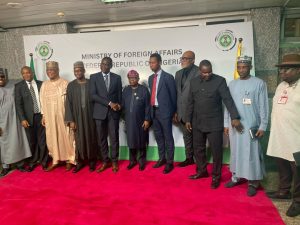
Lamola was accompanied by other senior South African government officials.
The Nigerian delegation included the Ambassador of Nigeria to South Africa, the Permanent Secretary of the Ministry of Foreign Affairs, directors of the ministry and other senior government officials.
The ministers later proceeded to a closed-door meeting with members of both delegations to discuss Ramaphosa’s message, recurring attacks on Nigerians, migration and broader bilateral relations.
Addressing journalists after the meeting, Enikanolaiye assured Nigerians living in South Africa and those who had returned home that the Federal Government would continue engaging the country to protect their interests.
He said affected Nigerians, including those repatriated and those still residing in South Africa, had been asked to document properties and other losses suffered during the attacks to enable the government determine appropriate assistance.
Lamola, on his part, reiterated South Africa’s commitment to protecting everyone within its borders and said his government remained firmly opposed to xenophobia and all forms of intolerance while strengthening cooperation with Nigeria.
Persecondnews correspondent reports that the meeting ended with both sides reaffirming their commitment to strengthening bilateral relations, addressing recurring Afrophobic attacks and deepening cooperation on migration and other issues of mutual interest.
Author



Leave a comment