












By Joycelyn Ella’keche Adah
The Association of Power Generation Companies (APGC) has addressed what it terms “persistent misconceptions” regarding capacity payments, Power Purchase Agreements (PPAs), and the operational realities of the Nigerian Electricity Supply Industry (NESI).
The GenCos argue that these issues are fundamental to market design, contractual sanctity, and the long-term sustainability of Nigeria’s power sector.
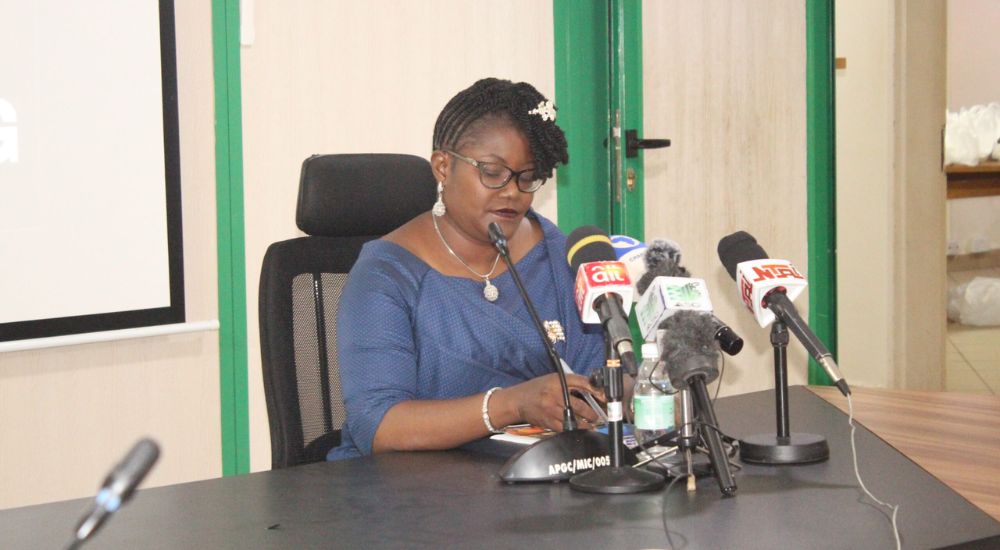
In a statement by CEO Dr. Joy Ogaji, the association emphasized that electricity cannot be stored at power plants; once generated, it is metered, transmitted, and consumed instantaneously.
The APGC explained that functional electricity markets rely on PPAs with core components: payment for available capacity, nominated capacity, metered energy, and deemed capacity.
These elements, the association insisted, are “must-occur” obligations that should remain free from politicization.
It maintained that even capacities declared and confirmed by the System Operator are subject to constraints including instructions to ramp down generation to stabilise the grid In such cases.
The GenCos said natural justice and contractual provisions require that they be paid for declared available capacity and the energy that would have been produced.
The statement further noted that all negotiated PPAs are approved by the regulator before being transmitted to the bulk trader for payment.
“However, the current practice of recognising only called up capacity while ignoring available capacity sends negative signals to both local and international investors.”
It stated that it also undermined financial projections weakens lender confidence and erodes the reform objectives embedded in the tariff framework.
Warning of a “systemic collapse” of contractual sanctity, the APGC noted that the scarcity of active PPAs is crippling the sector.
Without these agreements, GenCos struggle to finalize gas supply deals and are forced to bear the brunt of downstream failures, such as transmission bottlenecks and DisCo collection losses.
“Electricity generation requires massive, long-term capital that cannot thrive without rigid contract enforcement,” the association stated, highlighting a critical liquidity crisis.- because they are not being paid in full for their output, they are unable to pay gas suppliers.
This “debt loop” has resulted in sub-optimal power growth and persistent operational instability throughout the Nigerian Electricity Supply Industry (NESI).
With an installed capacity of 15,500 megawatts average grid generation remains around 4,000 megawatts, a gap the GenCos described as a market anomaly.
They insisted that invoice verification follows strict procedures involving metered data validation preliminary settlement statements and final settlement statements and reject any suggestion of inflated billing
Since taking over assets in November 2013, the GenCos said they have complied with industry agreements but have faced liquidity constraints regulatory risks and contract defaults.
They disclosed that outstanding receivables now exceed N6.2 trillion, representing accumulated shortfalls over the years as only about thirty five percent of invoices are reportedly paid
The association pointed out that generation companies are not beneficiaries of subsidy arrangements but victims of systemic non payment and market inefficiencies.
It urged stakeholders and the public to understand the commercial realities of power generation before casting blame, insisting that sustainable electricity supply depends on restoring contractual discipline liquidity and investor confidence in the Nigerian power market.
Author





Leave a comment