















By Joycelyn Ellakeche Adah
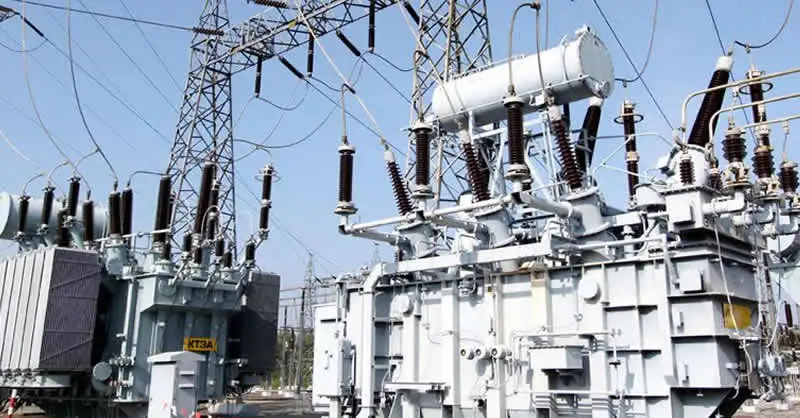
As part of its broader strategy to build a $1 trillion economy, the Federal Government is targeting an additional $18 billion in investments to bolster Nigeria’s electricity infrastructure.
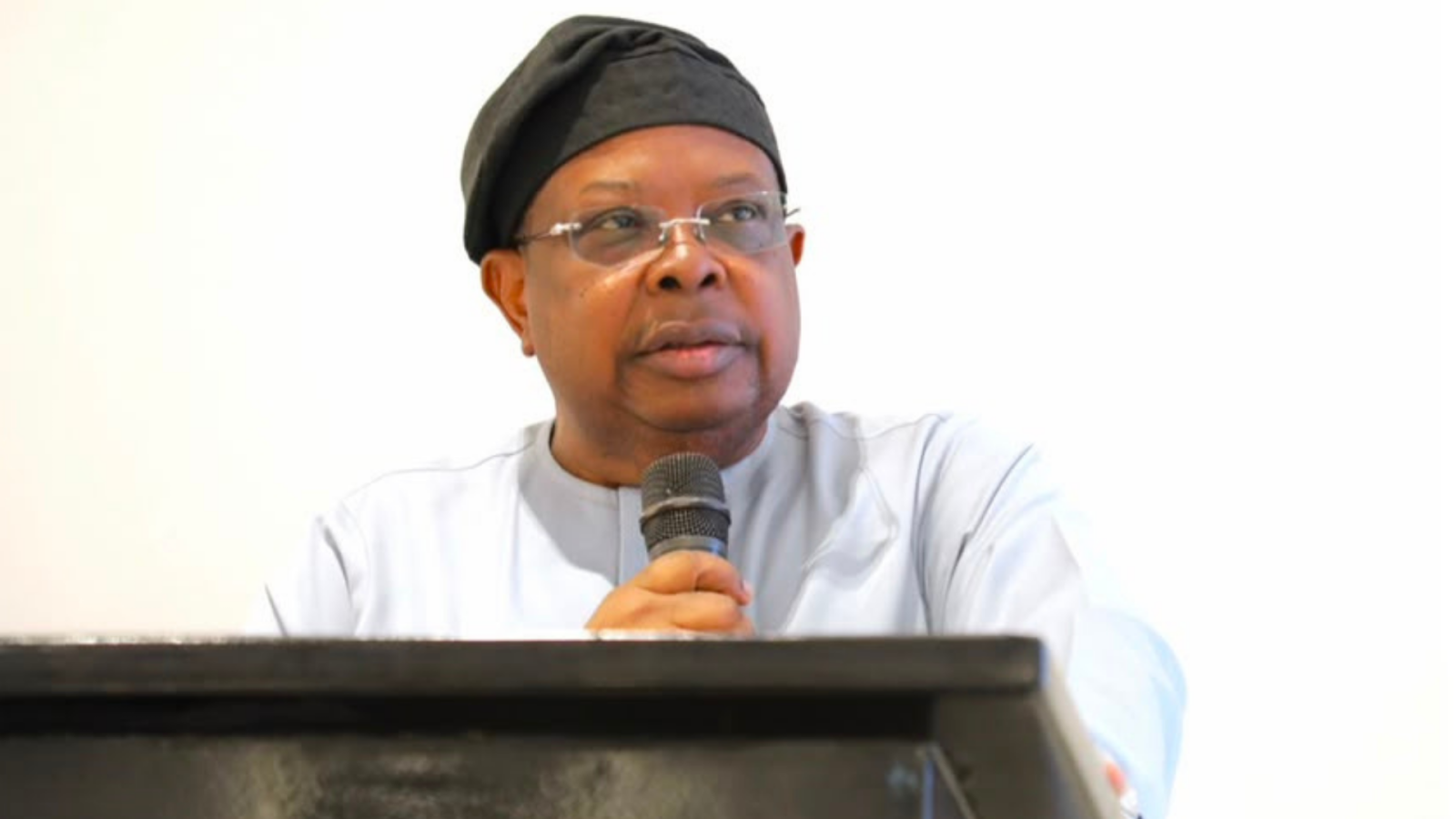
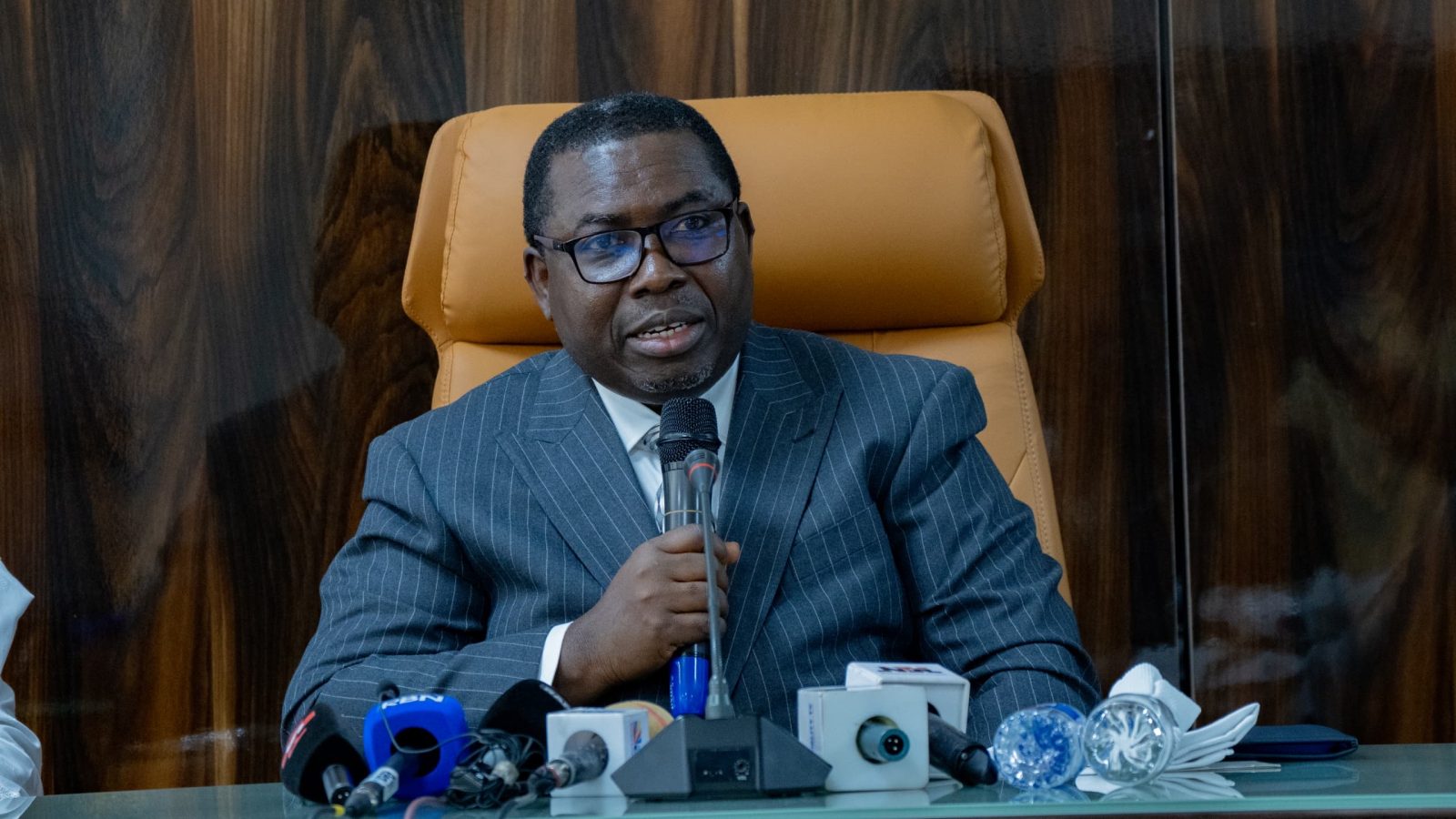
This development was announced on Thursday in Abuja by Kenny O. Anuwe, Managing Director and Chief Executive Officer of FGN Power Company Limited, at the sixth annual conference of the Power Correspondents Association of Nigeria (PCAN).
Anuwe said the company was exploring investment models capable of mobilising private and institutional capital, stressing that government funding alone could not deliver the scale of infrastructure required to transform the electricity sector.
He said FGN Power Company was currently pursuing a $2.3 billion project financing arrangement, comprising $1.3 billion from Europe and $1 billion from China, while working towards a longer term structure that could attract $18 billion from other financiers into the sector.
He added that the company hoped to raise at least $1 billion in capitalisation, with the Africa Finance Corporation (AFC) indicating its readiness to match the amount.
According to him, the company’s target is to deliver 5,540 megawatts of improved power capacity by 2029, with the potential to improve electricity reliability by at least 60 per cent from current levels.
Anuwe said the interventions could also help bring at least 2,000 industries back onto the national grid, based on the company’s assessment of existing industrial customers and their electricity needs.
He said the Presidential Power Initiative, implemented through FGN Power Company, was designed to coordinate project delivery, structure commercial arrangements, secure financing and deliver additional electricity across the value chain.
Giving an update on ongoing projects, Anuwe said the pilot phase had been completed, while work on the first phase of transmission substations and lines was progressing, with most projects expected to be completed in the first quarter of 2027.
He also disclosed plans to commence the second batch of Siemens substations, comprising 12 facilities, subject to the necessary financing approvals, with the company targeting the fourth quarter of 2026.
The pipeline also includes the Omotosho substation projects, which he said would cumulatively deliver just under 3,400MW.
On transmission infrastructure, Anuwe said the Federal Government had invested about $237 million in projects covering 16 transmission lines spanning approximately 606 kilometres, with a combined capacity improvement of more than 7,000MW.
He, however, warned that infrastructure expansion alone would not resolve the sector’s challenges, calling for simpler institutional and regulatory arrangements, predictable policies, clear accountability and greater private sector participation.
He said government had invested more than ₦10 trillion in the electricity sector since privatisation, but maintained that the scale of investment required to achieve national targets demanded a different financing approach.
Anuwe also advocated viability financing and blended finance as options for attracting private capital, adding that government should focus on creating the conditions for public and private investors to deliver projects more efficiently.
Earlier, the Minister of Power, Joseph Tegbe, represented by his Special Adviser on Administration and Projects, Martins Olajide, said the Federal Government had developed a four pronged roadmap centred on grid stabilisation, sector liquidity and sustainability, asset optimisation, and grid expansion and enhancement.
He said the government was adopting an energy corridor approach to align generation, transmission and distribution capacity with demand in major economic centres, including the Lagos – Ogun, Benin – Enugu – Port Harcourt and Abuja – Kaduna – Kano corridors.
According to the minister, the Lagos-Ogun axis and Abuja franchise area, which together account for more than 50 per cent of national electricity demand, would serve as pilot areas for the proposed 24 hour energy zones, subject to technical readiness and commercial viability.
Tegbe said the administration had raised ₦1.23 trillion under its ₦3.3 trillion plan to settle verified legacy debts owed to power generation companies, easing financial pressure on operators.
He added that more than 2.8 million customers had been metered under the Presidential Metering Initiative, while over 15,000MVA of additional transmission capacity had been added to the national grid between 2023 and October 2026.
The minister also identified vandalism as a major threat to electricity infrastructure, saying President Bola Tinubu had approved a coordinated anti vandalism campaign involving security agencies and a strengthened legal framework to protect power assets.
In his welcome address, PCAN Chairman, Obas Esiedesa, called for urgent action to address recurring seasonal declines in electricity generation, particularly between November and March, when reduced water inflows affect hydropower generation and gas supply constraints compound pressure on thermal plants.
He urged government, regulators, generation companies and gas suppliers to strengthen collaboration to ensure adequate gas supply, while also addressing transmission and distribution gaps, liquidity challenges and investment constraints.
Esiedesa said the conference, which began in November 2021, had evolved into an annual platform for policymakers, regulators, operators, investors and journalists to examine challenges in the electricity industry and propose practical solutions.
Also speaking, the Managing Director of the Nigerian Electricity Management Services Agency (NEMSA), Engr. Olusegun Adesayo, urged power correspondents to give greater attention to electrical safety, regulatory compliance and public education.
He stressed that infrastructure expansion must be accompanied by safety and adherence to technical standards, warning that electricity facilities that do not comply with regulations could endanger lives and property.
The conference was held under the theme, “$1trn Economy: Nigeria’s Roadmap to Reliable and Affordable Power Supply.”
Author





Leave a comment