















By Joycelyn Ellakeche Adah
The Federal Government has identified the Lagos- Ogun axis and Abuja as pilot locations for its proposed 24-hour electricity supply zones, in a new strategy to channel reliable power to Nigeria’s major economic centres.
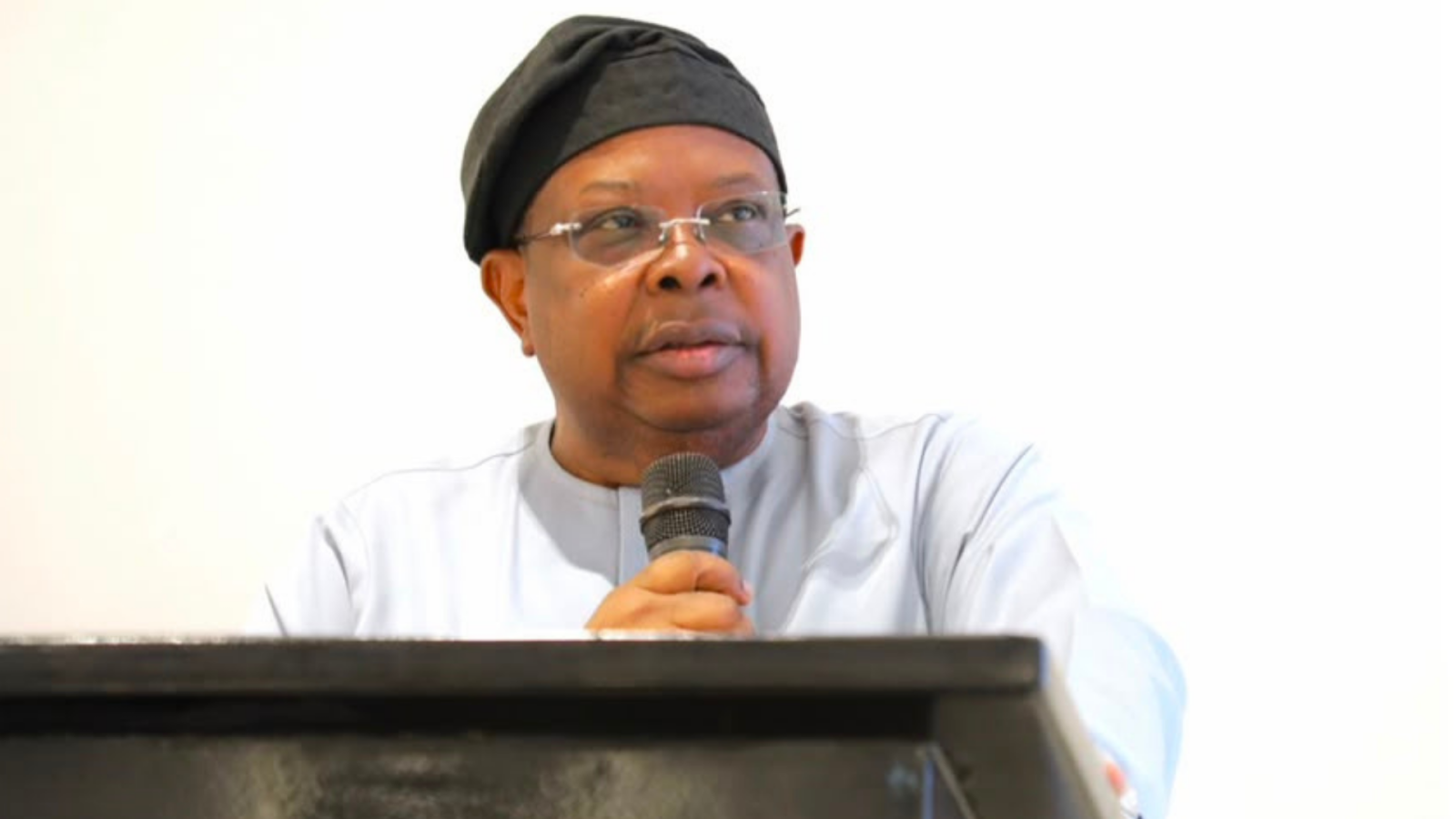
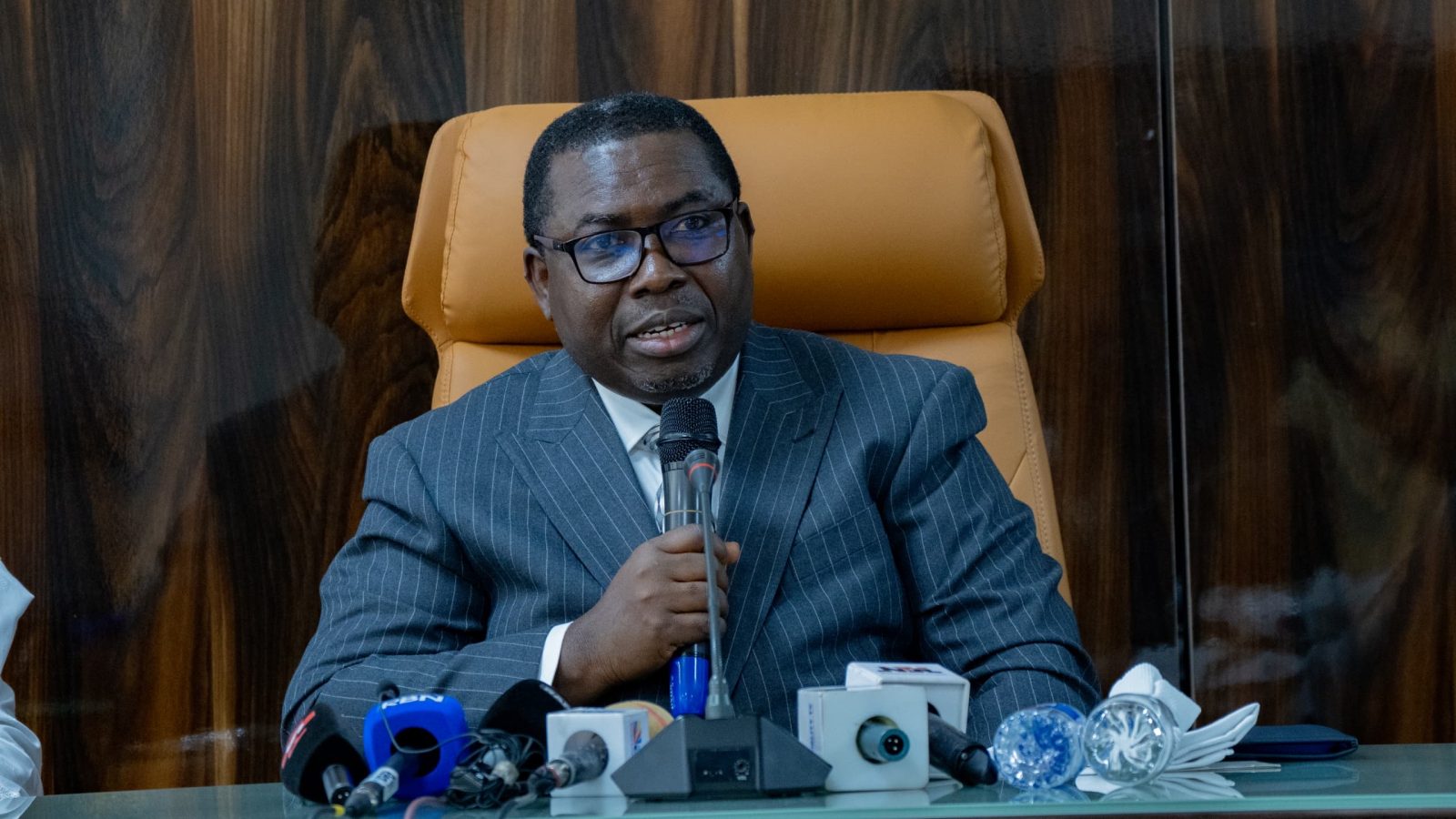
Minister of Power Joseph Tegbe disclosed this on Thursday at the sixth annual conference of the Power Correspondents Association of Nigeria (PCAN) in Abuja, where he outlined a corridor based approach to addressing persistent electricity supply challenges.
Tegbe, who was represented by his Special Adviser on Administration and Projects, Martins Olajide, said the two areas account for more than 50 per cent of national electricity demand and would be prioritised based on technical readiness and commercial viability.
He said the plan was to align generation, transmission reinforcement and distribution capacity with electricity demand in major economic clusters, identifying three priority corridors: Lagos – Ogun, Benin – Enugu – Port Harcourt and Abuja – Kaduna – Kano.
According to him, the corridor strategy forms part of a four pronged roadmap developed by the ministry to tackle the sector’s challenges.
The minister said a technical audit had been commissioned to establish a clear assessment of existing infrastructure, identify critical constraints and guide the prioritisation and sequencing of interventions.
He explained that the approach was intended to move beyond general infrastructure expansion towards targeted interventions that would deliver dependable electricity to areas with significant economic and industrial activity.
Tegbe said the government was also taking steps to address the financial and operational weaknesses that have constrained the sector over the years.
He disclosed that ₦1.23 trillion had been raised under the Federal Government’s ₦3.3 trillion plan to settle verified legacy debts owed to generation companies, while more than 2.8 million customers had been metered under the Presidential Metering Initiative.
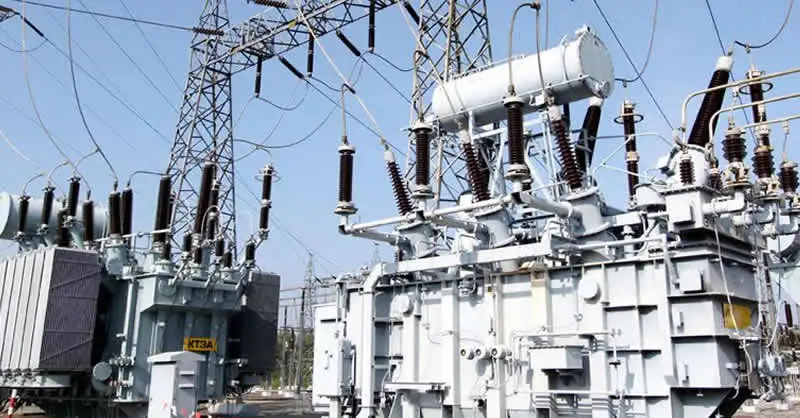
On transmission, he said more than 15,000MVA of additional capacity had been added to the national grid between 2023 and October 2026, with newly installed substation equipment commissioned in several locations across the country in the past two months.
The minister also warned that vandalism continued to threaten electricity infrastructure and disrupt supply, disclosing that President Bola Tinubu had approved a coordinated anti- vandalism campaign involving relevant security agencies, supported by a stronger legal framework to protect power assets.
He called on the media to support the sector’s reform efforts through accurate reporting and public education, saying Nigerians needed reliable information to understand the challenges and assess progress in the electricity industry.
The conference theme is “$1trn Economy: Nigeria’s Roadmap to Reliable and Affordable Power Supply.”
Author






Leave a comment