








By Joycelyn Ellakeche Adah
Nigeria’s Midstream and Downstream Gas Infrastructure Fund (MDGIF) says it is working towards partnering with more than 1,000 compressed natural gas (CNG) refuelling outlets within the next two years, in a major push to improve access to cheaper alternative fuel and reduce pressure on petrol and diesel consumption.
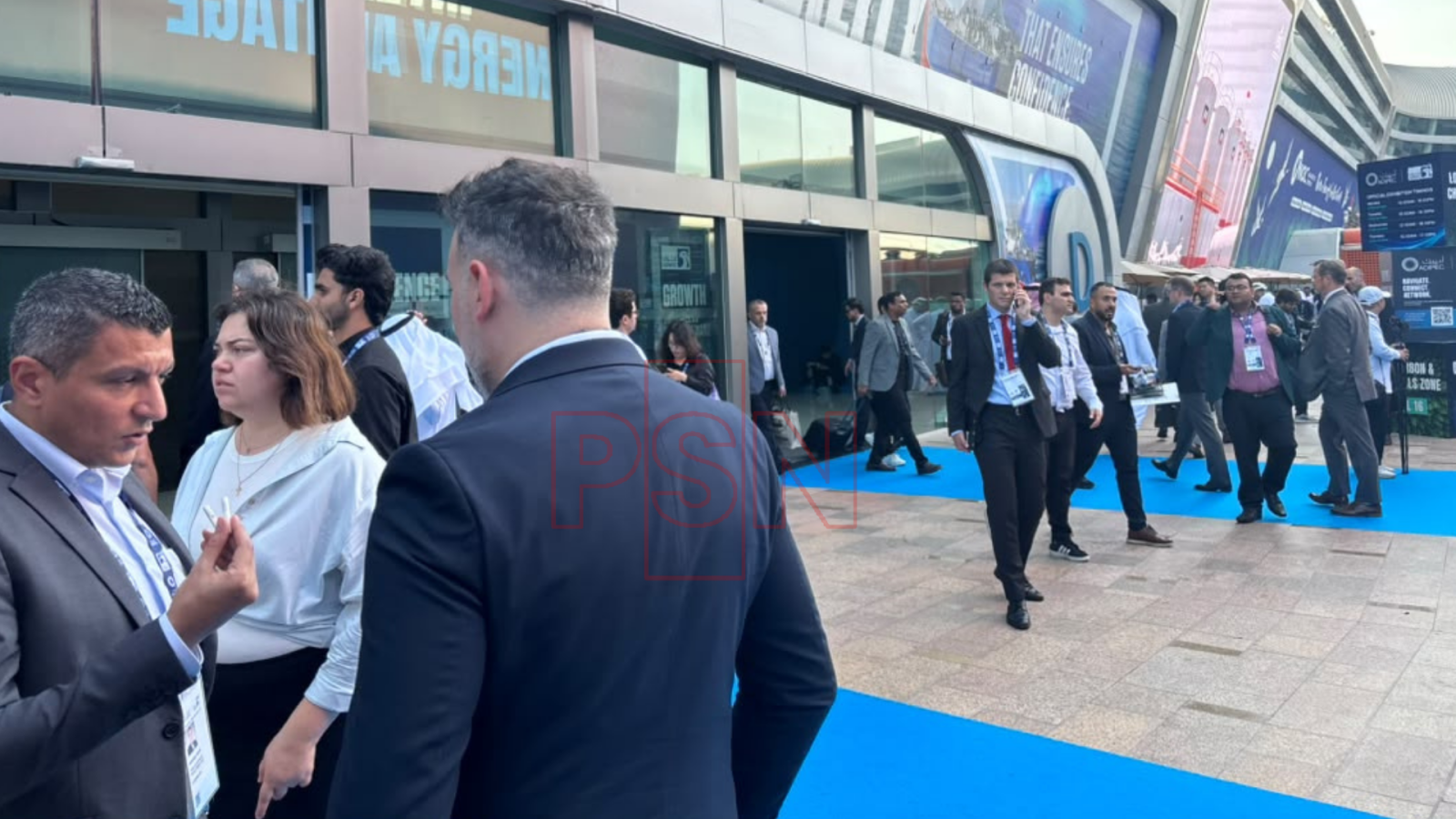
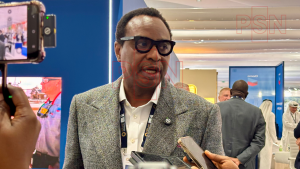
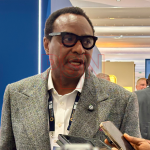
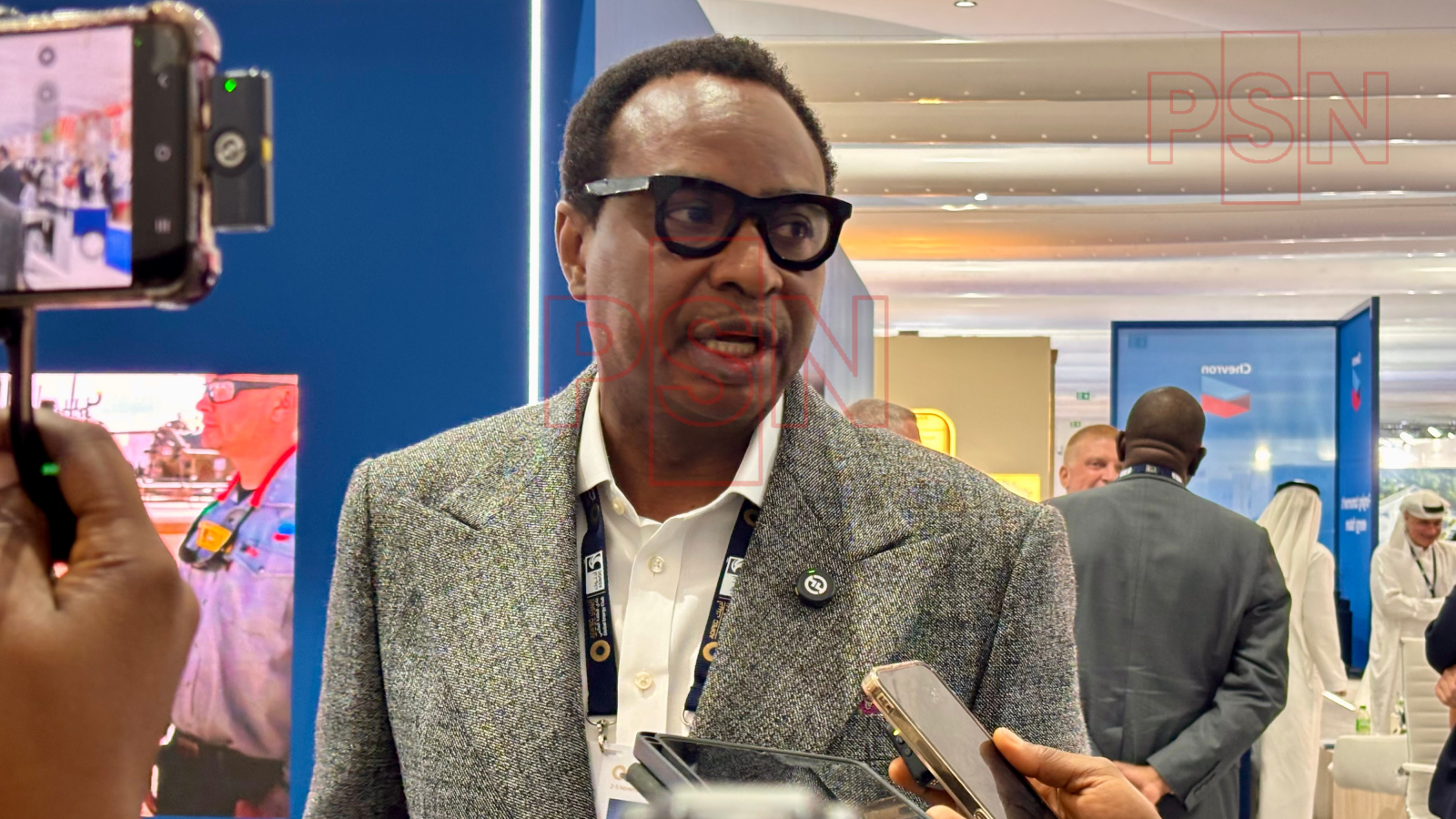
Speaking to PerSecondNews at ADIPEC 2026 in Abu Dhabi, MDGIF Executive Director Oluwole Adama revealed that the initiative will deploy refueling units at existing filling stations while expanding the core gas supply infrastructure needed to sustain them.
Adama said the fund had already supported the commissioning of 10 CNG daughter stations this year, with plans to commission about 40 additional stations before the end of the year.
He explained that the strategy was designed to make CNG more accessible by integrating dispensing facilities into existing filling stations, rather than relying solely on the construction of entirely new outlets.
“We have over 25,000 filling stations across Nigeria. Instead of leaving them out, we want to collocate CNG pumps so that a station dispensing petrol can also dispense diesel and CNG. Some of the refuelling units have arrived, and we are working to deploy some of them before the end of the year,”
According to him, the fund had requested 75 refuelling units, with the first batch of 15 arriving in the week preceding the interview.
Adama said the wider ambition was to partner with more than 1,000 outlets within two years, in line with the Federal Government’s drive to expand the use of gas as an alternative to petrol and diesel following the removal of fuel subsidy.
He, however, stressed that expanding the number of dispensing outlets would not, on its own, solve the access problem unless adequate gas supply infrastructure was developed alongside them.
“The challenge is not just deploying 1,000 refuelling units or setting up 1,000 stations. We have to look at the entire value chain and establish where the gas will come from.
“We must have the mother stations and the infrastructure to move the gas to the last mile. Otherwise, you will have the outlets without enough gas to serve the people.”
The MDGIF chief said the fund was working with partners to expand the number of CNG mother stations, which supply gas to daughter stations and other distribution outlets.
He said the plan was to increase the number of mother stations to between 50 and 100 as the programme expands, ensuring that new refuelling outlets are backed by a reliable supply chain.
Adama said the number of CNG stations dispensing gas in Nigeria had grown from fewer than 20 to about 90 in roughly three years, but acknowledged that more infrastructure was needed to address long queues and limited access experienced by motorists.
He said the fund had also shortened the deployment period for some refuelling units, noting that the equipment could be installed and made operational within a relatively short period once the necessary arrangements were in place.
“The stations we are commissioning are part of a wider plan. We have commissioned 10 this year, and we are looking at another 40 before the end of the year, with a geographical spread across the country. Nigerians should see the difference as more outlets come on stream and access improves,” he said.
He added that the fund was not waiting for private investors to independently develop every part of the infrastructure, but was intervening to reduce risks and attract more investment into the sector.
Adama maintained that the success of the CNG programme would depend on developing the entire gas value chain, from processing and supply to transportation and retail distribution, rather than concentrating only on the number of refuelling stations.
He urged Nigerians to be patient with the process, explaining that gas infrastructure projects require planning, financing and construction before they can deliver results.
Author



Leave a comment