













By Joycelyn Ellakeche Adah,
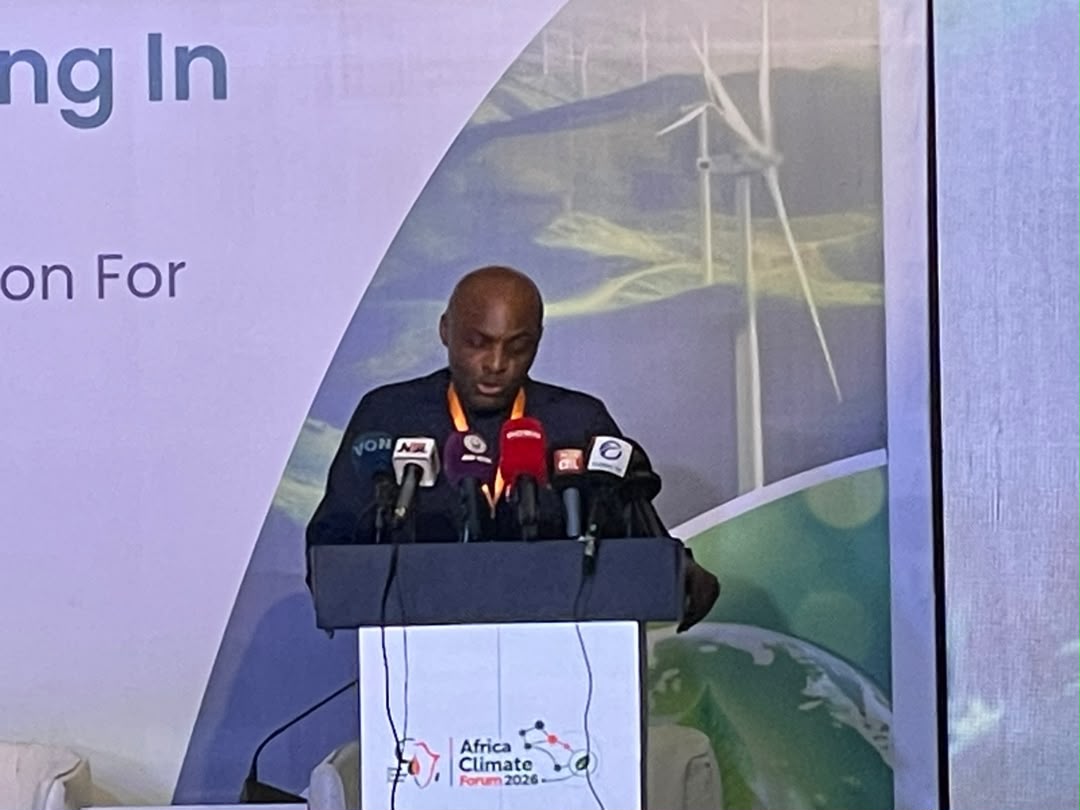
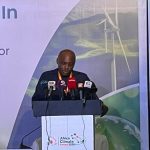
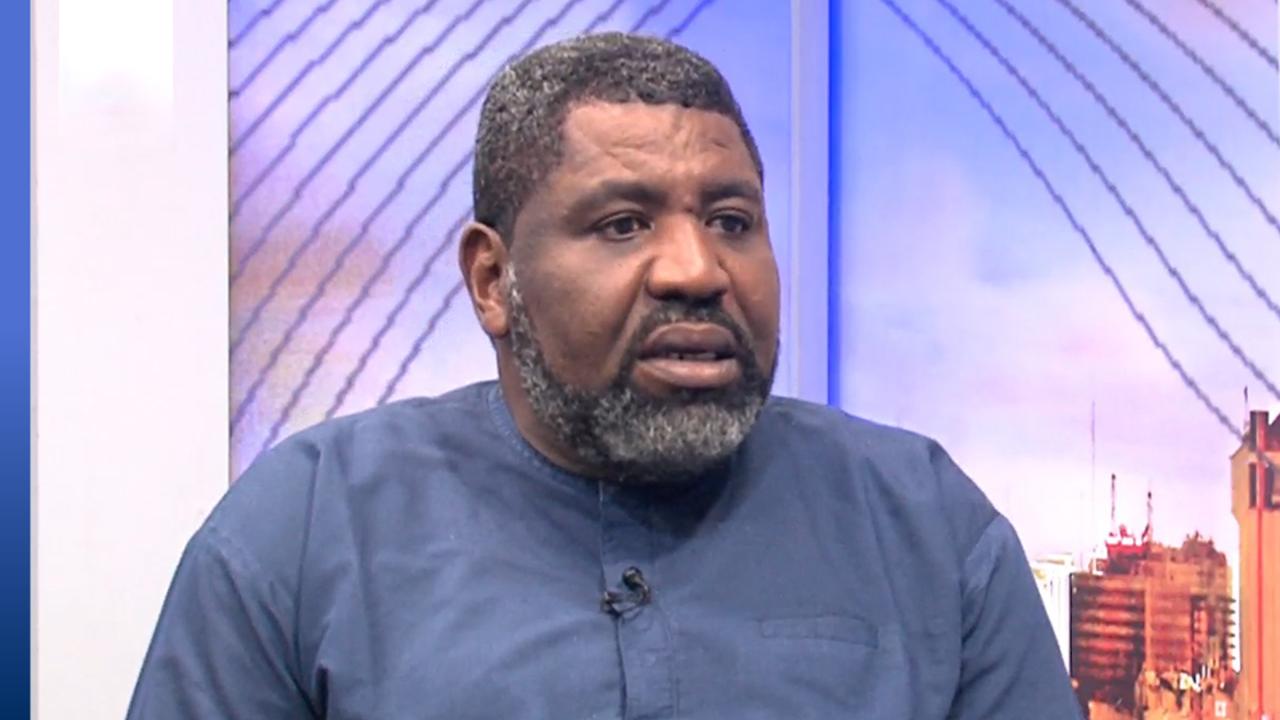
Africa needs to move past climate promises and policy statements to focus on practical results that truly better people’s lives, according to Prof. George Nwangwu, Convener of the Africa Climate Forum.
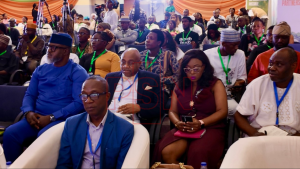
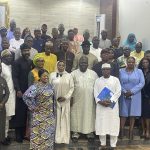
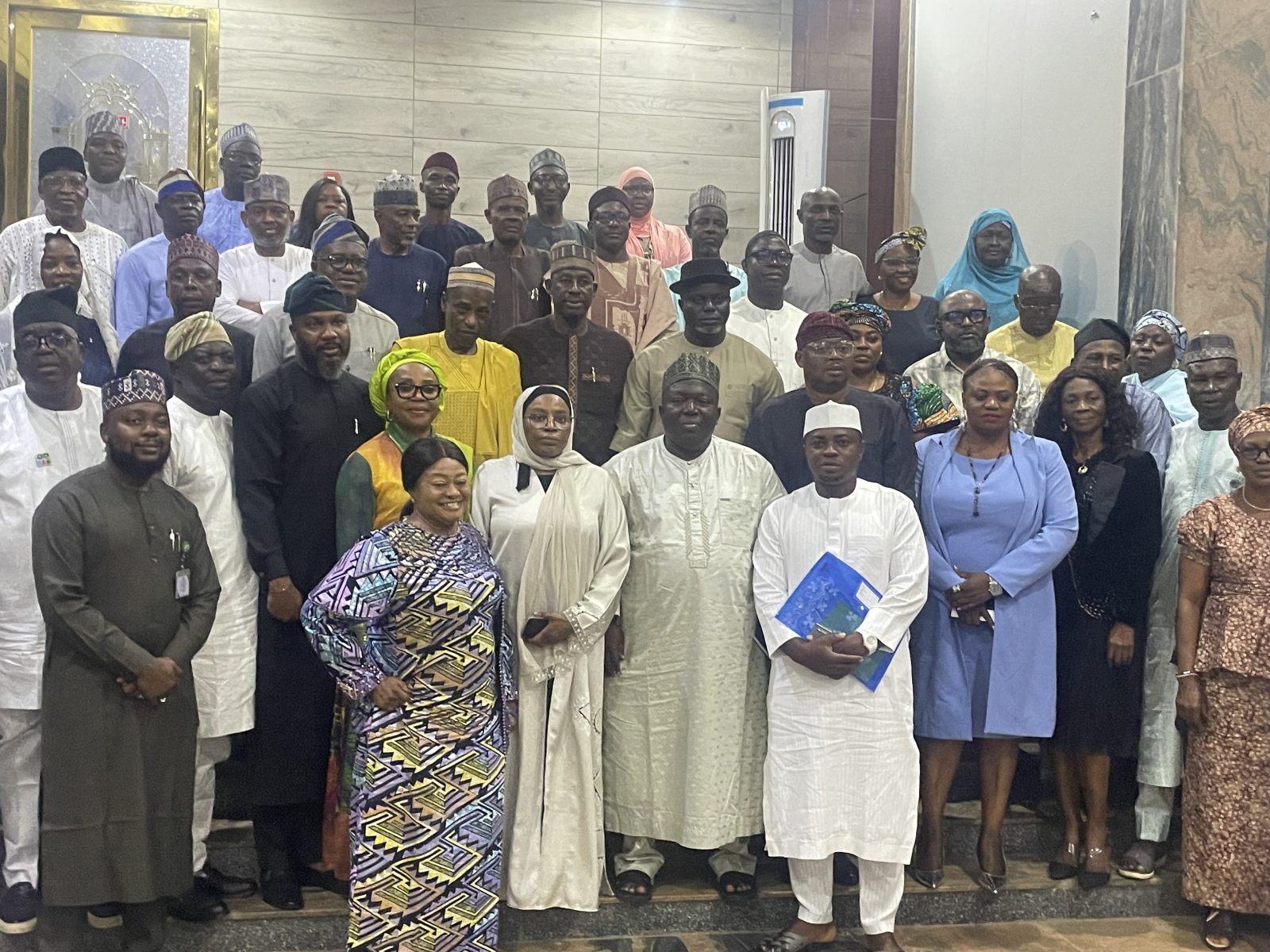
Speaking at the fourth edition of the event in Abuja focused on “Implementing in Lockstep: Public Private Action for Green Outcomes”Nwangwu joined policymakers, investors, government leaders, and development partners to explore how to turn climate commitments into reality.
“The true test of our climate ambition isn’t how many promises we sign, but what we actually deliver,” he stressed.
Nwangwu also called for stronger coordination among governments, the private sector, financial institutions, researchers, civil society and local communities.
He said Africa could not afford to allow climate commitments to remain on paper while communities continued to face flooding, drought, food insecurity, environmental degradation and unreliable electricity. He argued that climate action must be measured by the solutions delivered and the improvements made to people’s lives.
Nwangwu identified financing and investment as major challenges to translating climate ambition into action, pointing to high financing costs, currency risks, regulatory uncertainty, inadequate project preparation and limited access to long term capital as barriers to the delivery of climate projects.
He said governments, businesses and financial institutions needed to work together to create an environment in which viable climate projects could attract funding and move from proposals to implementation.
“We are not simply building a conference; we are building a platform for action.”
He explained that the forum was designed to connect policy discussions with investment opportunities and practical solutions.
The forum’s approach includes policy dialogue, a Deal Room to connect climate projects with investors, a Marketplace for African climate innovations and a Climate Stories platform to give greater visibility to climate realities and solutions across the continent.
Nwangwu said these platforms were intended to strengthen the connection between those developing climate solutions and those with the financing, technology and policy influence required to support them.
He also stressed the importance of African countries showcasing homegrown innovations and ensuring that the continent’s climate priorities were informed by its own development needs and experiences.
For him, the challenge is not simply to attract climate finance or make stronger commitments, but to ensure that investments translate into measurable outcomes, from improved energy access to better environmental management and greater resilience in vulnerable communities.
The need to balance climate action with Africa’s development priorities also featured in the remarks of the Permanent Secretary of the Federal Ministry of Petroleum Resources, represented at the forum by the Deputy Director, Midstream and Downstream Department, Emmanuel Okon.
Speaking on Nigeria’s approach to sustainable petroleum development, Okon said the country’s energy transition must take account of energy security, poverty reduction, industrialisation and the need to provide reliable and affordable energy.

“Nigeria is not approaching the energy transition by abandoning its petroleum resources.”
He said the government’s approach was to develop the country’s oil and gas resources responsibly while progressively reducing their environmental impact and expanding cleaner energy options.
Nigeria remains a major oil and gas producer, with the ministry citing proven and probable reserves of about 37.01 billion barrels of crude oil and condensate and 215.19 trillion cubic feet of natural gas as at January 1, 2026.
Okon said the value of these resources should increasingly be judged not only by production volumes but also by how responsibly they are developed and the economic benefits they deliver to Nigerians.
He identified methane reduction, improved emissions monitoring, gas utilisation and the reduction of gas flaring as important elements of the country’s sustainability agenda.
The ministry also highlighted efforts to increase domestic value addition through crude oil supply to local refineries.
They said approximately 53.7 million barrels were supplied to local refiners in the second quarter of 2026, representing 97.4 per cent performance against the applicable supply framework.
On investment, Okon said Nigeria’s 2026 licensing round offered 40 oil and gas blocks, adding that investment remained welcome but must increasingly be accompanied by efficiency, environmental responsibility, technological innovation and measurable value for Nigerians.
He emphasised that sustainable petroleum development could not be achieved by government alone, calling for coordinated action by industry, financial institutions, research bodies, communities and development partners.
“Nigeria therefore believes that the petroleum industry can be part of the climate solution not because hydrocarbons are without environmental consequences, but because responsible production, methane reduction, gas utilisation, carbon management, efficiency and progressive diversification can substantially reduce those consequences while supporting development.”
Okon added that Africa’s energy transition must reflect the continent’s circumstances and development needs, warning that a sustainable energy future should not leave millions of people without reliable and affordable power.
“The task before us is to ensure that the journey gets us there without leaving our people behind.”
The positions presented at the forum underscore the challenge facing African policymakers: mobilising the finance, technology and partnerships needed to reduce environmental harm while addressing energy poverty and creating economic opportunities.
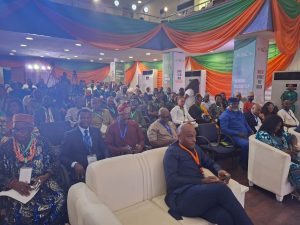
PerSecondNews reports that the Africa Climate Forum, convened by the Global Centre for Law, Business and Economy, provides a platform for policymakers, investors and other stakeholders to explore practical approaches to climate finance, sustainable investment and the implementation of climate commitments.
Author




Leave a comment