













By Omoyeni Ojeifo
The Corps warned that these practices pose severe threats to human lives, damage vehicles, and destroy national road infrastructure.
The dialogue featured the Abuja Declaration 2026: A National Commitment to End Vehicle Overloading in Nigeria, with the theme, “Ending Overloading, Saving Lives: A National Commitment to Safer Roads and Responsible Transportation in Nigeria.”
Mohammed stressed that the consequences of unsafe loading extend beyond traffic enforcement, affecting infrastructure, logistics, businesses, consumers and families whenever crashes or delays occur.

“Cargo owners, shippers, loading agents, transporters, fleet operators, drivers, regulators, and government must accept responsibility for its safety consequences. Those who order, determine, load, authorise and transport cargo must accept responsibility,” he said.
The Corps Marshal also drew attention to mixed and improper loading, including dangerous materials, incompatible cargo, passenger-cargo combinations and poorly distributed loads, particularly within the haulage and logistics sector.
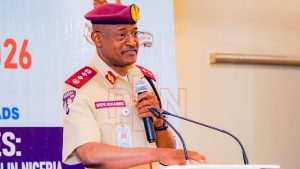
“The pressure to maximise every journey can encourage unsafe practices. We must make it clear that no reduction in transportation costs or commercial benefits is worth the loss of human lives,” he noted.
Mohammed urged stakeholders to make the proposed national commitment practical by assigning responsibilities and establishing systems for measuring compliance, rather than allowing the declaration to remain ceremonial.
“The declaration must become a national compact containing clear responsibilities, measurable commitments, timelines, and mechanisms for monitoring implementation. Ultimately, our success will be measured by what changes in our behaviour,” he added.
Also speaking, the Senior Special Assistant to the President on Transport, Adetokunbo Ade-John, called for stronger passenger identification measures as part of efforts to improve security within the transport sector.
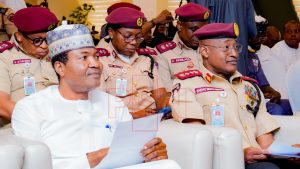
“The Federal Government is strengthening the manifest system, With a manifest containing the transporter’s name, address and telephone number, you will be scared to even go to the gallery and take a bus,” he stated.
Ade-John also raised concerns over the issuance of driving licences without proper testing and the use of vehicles by underage persons, urging stronger controls to prevent unqualified drivers from accessing Nigerian roads.
“Before you get your driver’s licence, you just give one or two officers money. There should be sanctions and discipline. We are seeing different things every day,” he stressed.
On his part, the keynote speaker, Mallam Jibrin Baba Ndace, Director-General/CEO of Voice of Nigeria, described overloading as a national safety challenge with consequences extending beyond traffic regulations.
“Overloading is not merely a regulatory violation; it is a very serious safety challenge with consequences for life, vehicles, infrastructure and the economy,” he said.
Ndace also challenged Nigerians to change their response to road crashes, urging the public to assist victims rather than gather around accident scenes to take pictures and videos.
“We must move from being mere spectators to becoming responsible citizens who are willing to assist victims, alert the appropriate authorities and create space for emergency responders,” he stressed.
He called for road-safety campaigns to expand beyond warnings against overloading and traffic violations, with greater emphasis on helping Nigerians respond appropriately when crashes occur.
“Our national road safety campaign must go beyond telling people not to overload their vehicles or avoid traffic regulations. We must educate Nigerians on how to respond when accidents occur,” he added.
In his remarks, the Chief of Army Staff, Lt.-Gen. Waidi Shaibu, represented by Brig.-Gen. T. Garba, Head of the Nigerian Army Operations Mobility Support Team, linked road safety to human security and the need for institutions to uphold professional standards.
“The initiative aligns with the Chief of Army Staff’s fifth pillar of professional excellence, which emphasises adherence to standards, rules and established practices,” he noted.
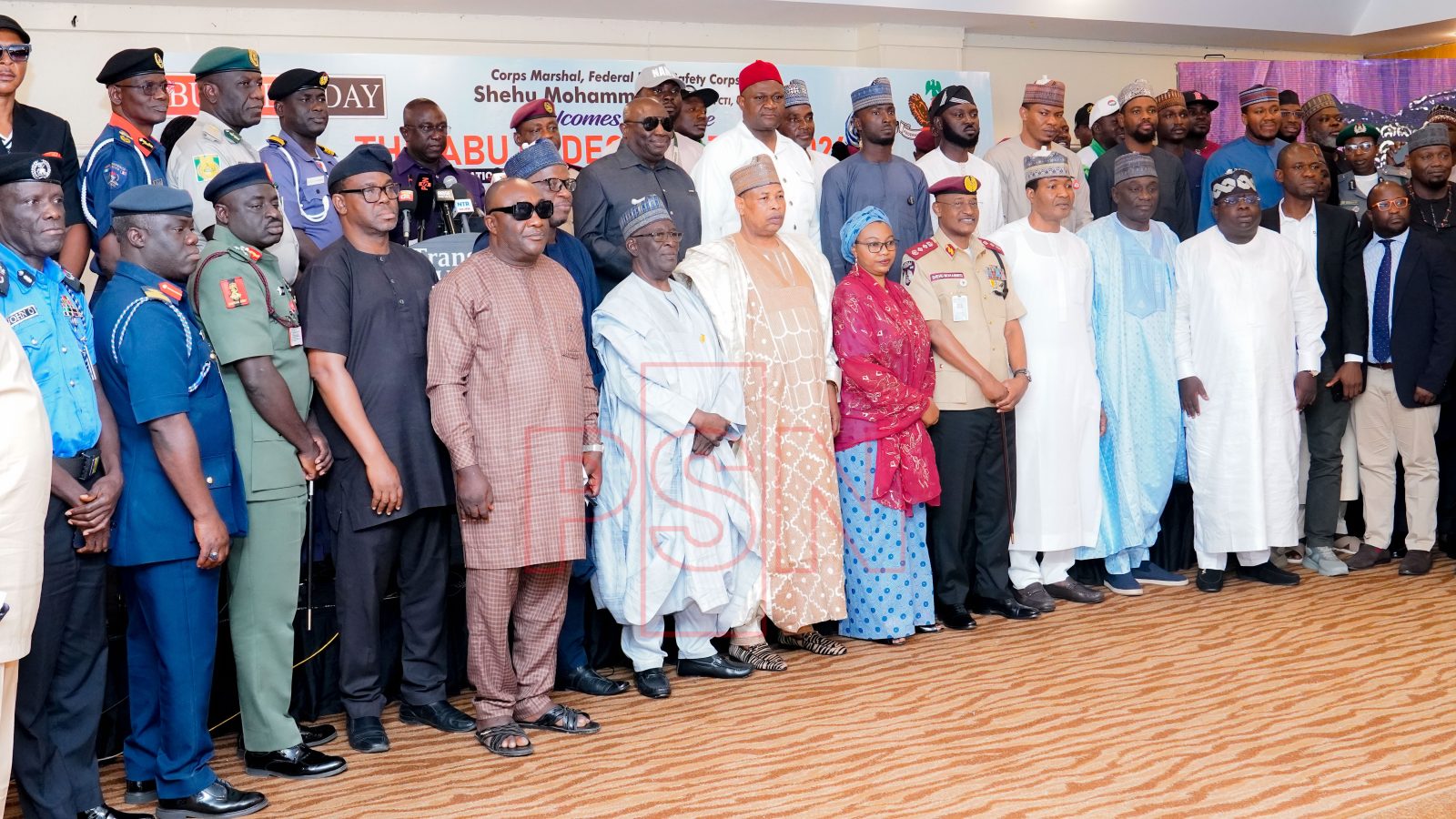
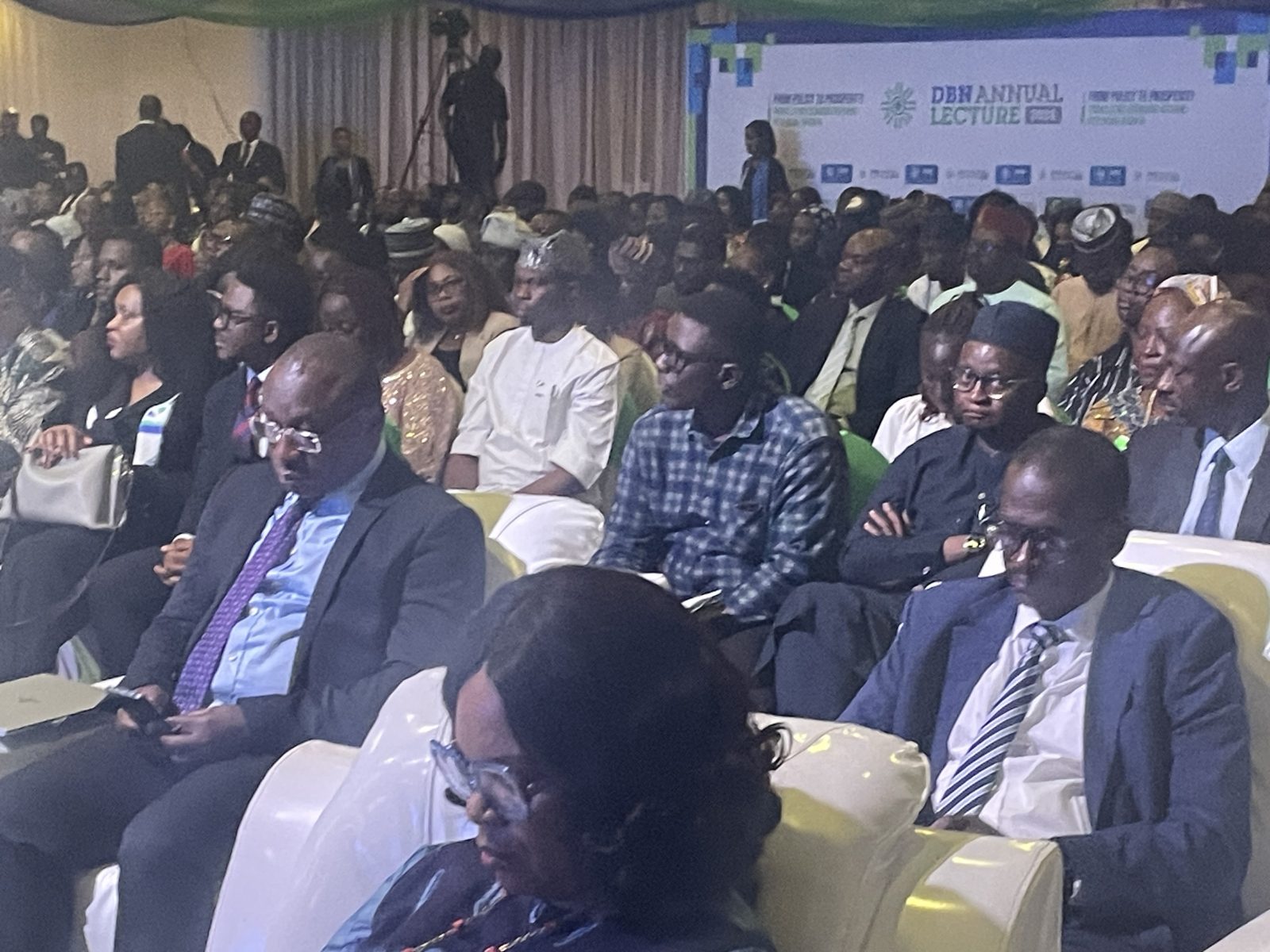
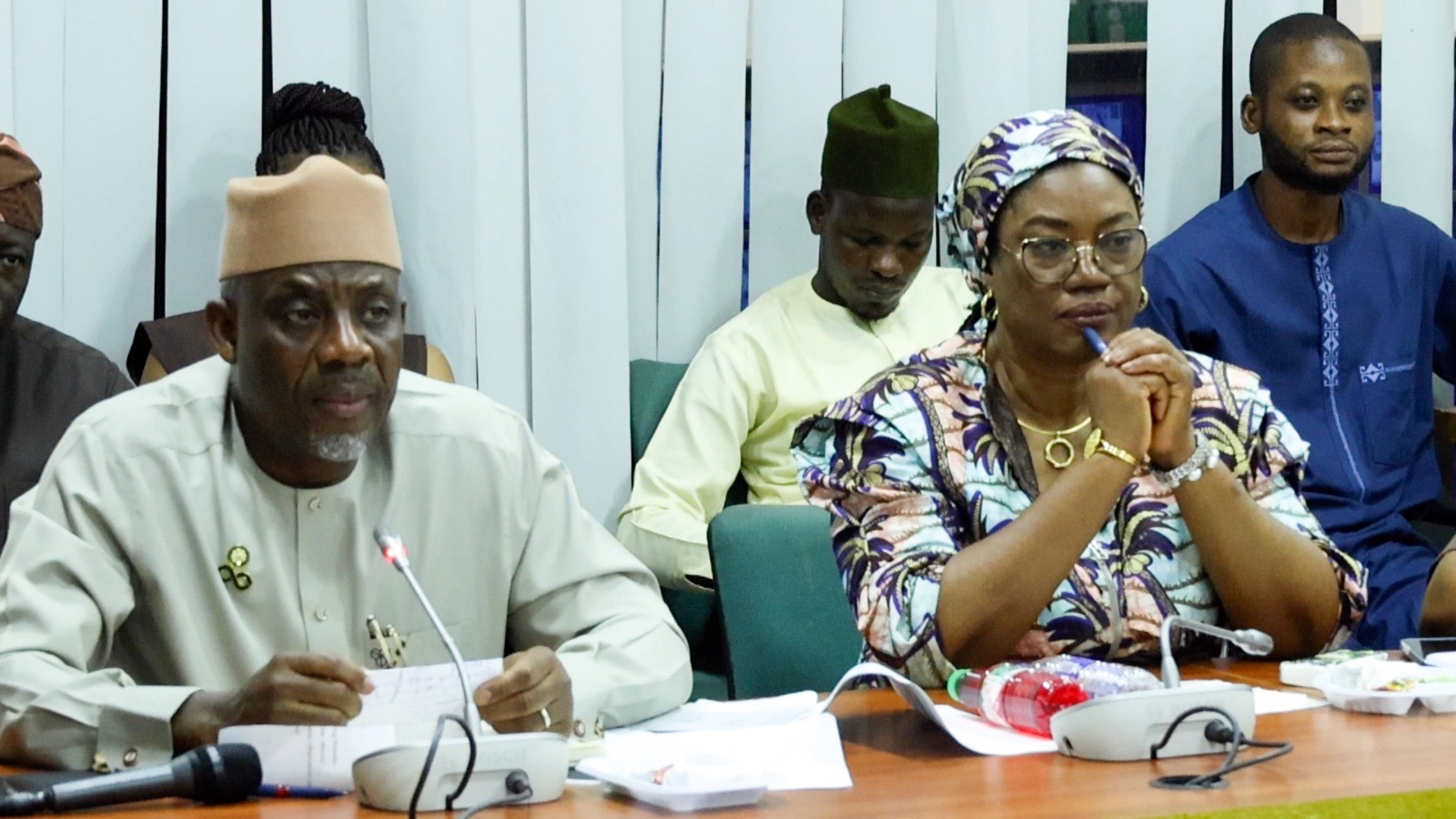
PerSecondNews correspondent reports that the event was attended by representatives of the Nigerian Army, Nigerian Correctional Service, Nigeria Security and Civil Defence Corps, Defence Intelligence Agency, BUA Group and Dangote Group.
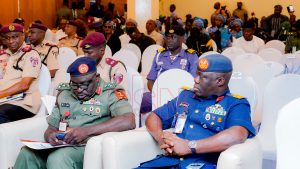
Representatives of the National Union of Road Transport Workers, Road Transport Officers’ Wives Association, Keke Riders Association, Motorcycle Riders Association as well as other stakeholders in the transport sector also attended.
Author





Leave a comment