











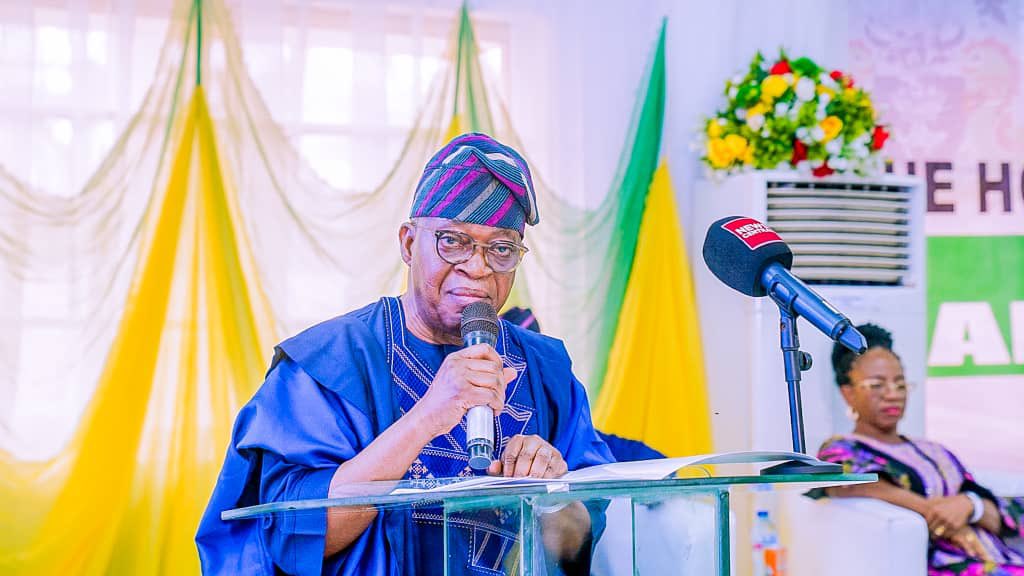



The Federal Government has secured a groundbreaking £746 million financing pact with the United Kingdom, marking one of the most significant overhauls of Nigeria’s seaport facilities in nearly 50 years.
This major agreement aims to modernize key maritime gateways and elevate the nation’s port operations to meet international standards of competitiveness.
Under the arrangement backed by UK Export Finance (UKEF), authorities will undertake extensive upgrades at the Lagos Port Complex in Apapa and the Tin Can Island Port Complex, both located in Lagos.
These two facilities currently manage over 70 percent of Nigeria’s total import and export activities, functioning as the primary channels for the country’s maritime commerce.
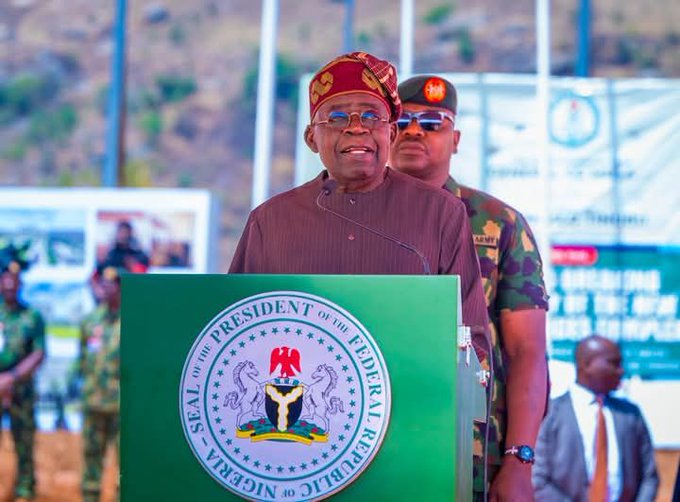
The formal signing of this landmark financing deal is scheduled to take place during President Bola Ahmed Tinubu’s official state visit to London on March 18 and 19, 2026.
The development underscores growing bilateral economic ties between Nigeria and the United Kingdom while ushering in a fresh phase of advancement for the nation’s maritime sector.
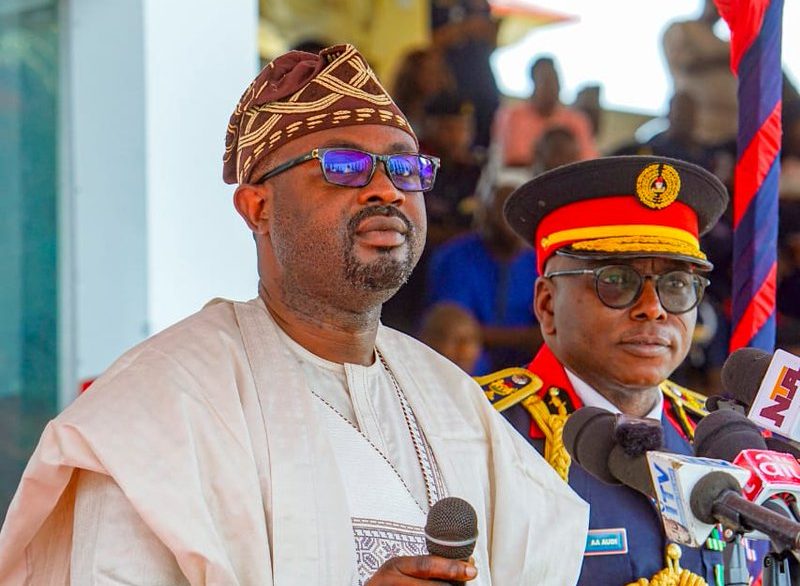
“This financing agreement represents a defining moment for Nigeria’s maritime sector,” said Minister of Marine and Blue Economy Adegboyega Oyetola.
“For decades, Apapa Port and Tin Can Island Port have borne the weight of our national trade, yet their infrastructure has not kept pace with the scale and complexity of modern global shipping.
“What we are set to do is not merely an upgrade, but a comprehensive transformation that will bring our ports into alignment with international best practice.”
Oyetola described the partnership with the United Kingdom as evidence of mutual dedication to bolstering economic collaboration and promoting sustainable growth in maritime operations.
“Through this historic collaboration with the United Kingdom, we are laying the groundwork for a new era in the management and operation of Nigerian ports,” he added.
“Modern infrastructure supported by digitalised and automated processes will significantly enhance efficiency, transparency and operational reliability.”
The minister stressed that the initiative forms a vital component of the government’s strategy to harness the full potential of Nigeria’s marine and blue economy.
“Our objective is clear: to create a port system that is modern, competitive and capable of serving as a strategic maritime hub for West and Central Africa,” Oyetola noted.
According to the minister, the modernization effort will feature state-of-the-art cargo handling equipment, increased capacity, and seamless digital integration aimed at resolving longstanding delays that have hampered operations at Nigeria’s busiest ports.
He highlighted that the Apapa Port, originally established in 1913, and the Tin Can Island Port, commissioned on October 14, 1977, have not undergone such extensive renewal since their inception.
Once the project concludes, vessel turnaround periods are projected to drop dramatically, alongside a substantial cut in the time cargo spends within the ports, thanks to the shift from manual and paper-based systems to automated solutions.
“Efficiency at the ports is central to the health of the national economy,” Oyetola said.
“By modernising our infrastructure and embracing digital technologies, we will enable faster clearance of imports and exports, reduce demurrage and logistics costs for businesses, and ensure a more predictable and transparent cargo movement system.”
These enhancements are expected not only to streamline trade flows but also to drive broader economic expansion and boost national revenue generation.
Oyetola further explained that the revamped ports will reinforce Nigeria’s role as a key player in regional and worldwide shipping networks, drawing additional vessel traffic and solidifying its status as an essential trade corridor for West and Central Africa.
“Our vision is to build a port system that reflects the aspirations of a modern and globally competitive Nigeria,” the minister added.
“The modernisation of Apapa and Tin Can Island ports is a bold and necessary step in that direction.
“It will enhance the efficiency of our logistics chain, deepen investor confidence and ensure that Nigeria’s maritime infrastructure is capable of supporting the nation’s long-term economic ambitions.”
Authors






Leave a comment