











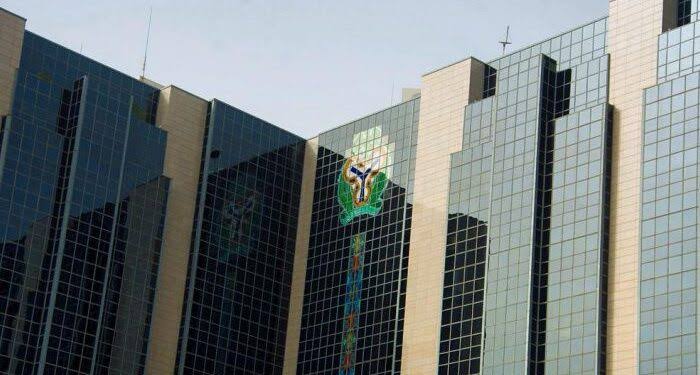



The Central Bank of Nigeria (CBN) has directed financial institutions across the country to restrict banking services for borrowers carrying large non-performing loans.
This move is designed to enhance credit discipline among clients and help maintain the overall stability of the financial sector.
Persecondnews reports that the directive came via a circular dated March 12, 2026, which was signed by Olubukola Akinwunmi, the Director of Banking Supervision.
Banks have been asked to take prompt measures to prevent defaulters from obtaining any further financial support.
“Any borrower classified as having a non-performing loan and listed in the Credit Risk Management System (CRMS) or in the records of licensed private credit bureaus will be barred from accessing additional credit from banks,” the circular stated.
The policy focuses on “large-ticket borrowers whose defaulted loans could pose significant risks to banks and potentially threaten the wider financial system.”
“Banks must immediately stop granting new credit facilities to such borrowers. The restriction covers all forms of direct credit, including loans and similar financing arrangements,” it added.
Affected parties will likewise be denied access to banking products that generate contingent liabilities for lenders, including “letters of credit, bankers’ confirmations, performance bonds and advance payment guarantees.”
These restrictions are limited to those classified as large-ticket obligors according to Clause 3.2(d) of the Prudential Guidelines for Deposit Money Banks.
Additionally, banks are required to seek more collateral from the borrowers to better safeguard the remaining loan amounts.
“Large-ticket obligors refer to borrowers whose total exposure across the banking system exceeds the Single Obligor Limit,” the regulator noted.
“Such exposures are considered significant because they can materially affect a bank’s Capital Adequacy Ratio or create systemic risks for the financial sector.”
Banks have been advised to use information from the CRMS and licensed private credit bureaus to verify the borrowers’ conditions and their overall credit exposures when applying the rules.
Author









Leave a comment