









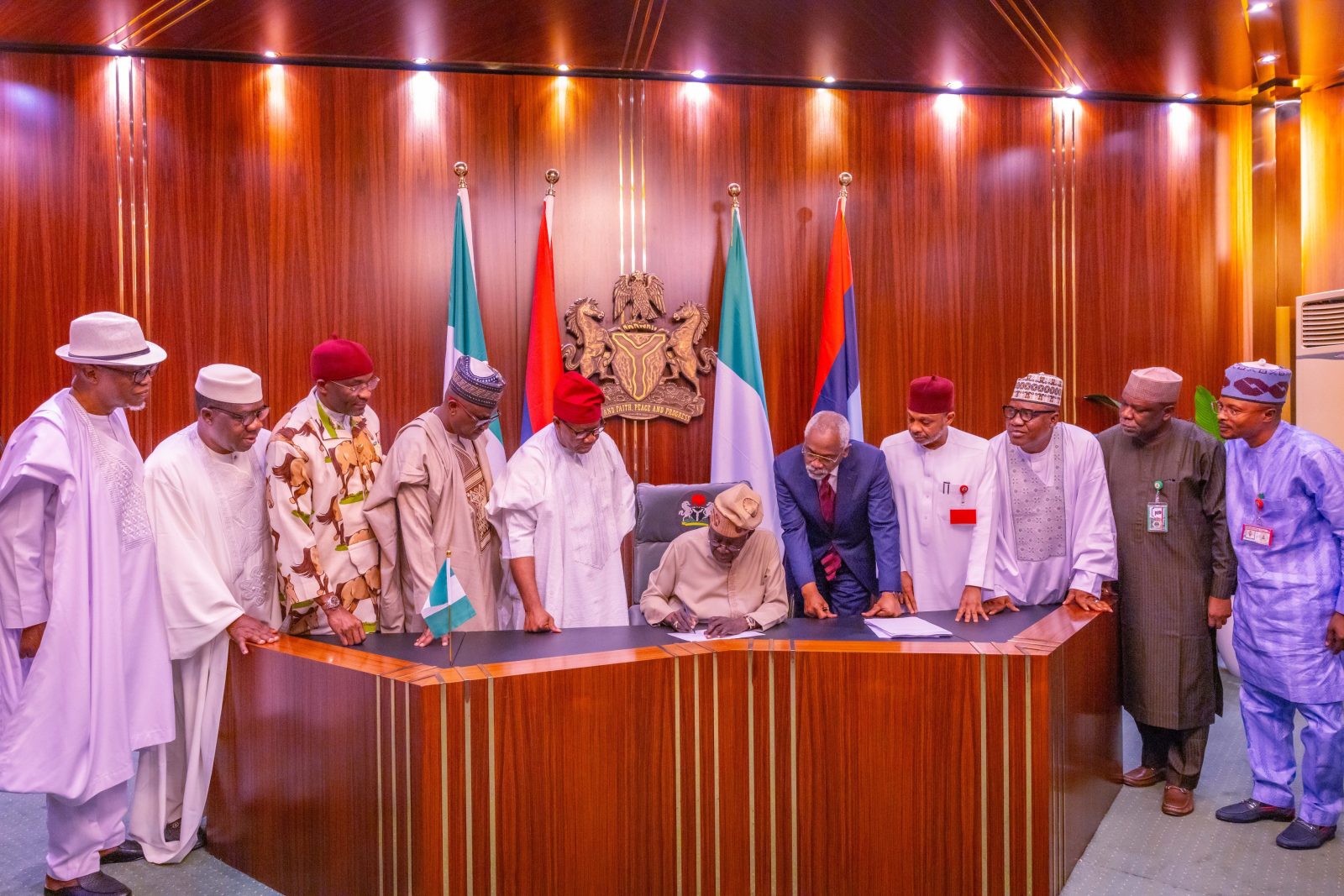



In a significant step toward securing the nation’s petroleum earnings, Nigeria has kicked off the execution of Executive Order 9, signed by President Bola Tinubu in 2026.
The order aims to enhance the handling of funds from oil and gas activities, ensuring they align with the country’s constitution while promoting financial steadiness across federal, state, and local governments.
The inaugural session of the implementation committee took place on February 26, 2026, marking the formal launch of these reforms.
During the meeting, the committee emphasized the importance of managing petroleum-derived income in ways that safeguard national interests and prevent revenue losses.
Key changes include an immediate halt by the Nigerian National Petroleum Company (NNPC) Limited to deducting a 30% management fee and another 30% for frontier exploration from profits in oil and gas under production sharing agreements.
Furthermore, payments related to gas flare fines into the Midstream and Downstream Gas Infrastructure Fund have been paused right away, as stipulated in the presidential directive.
“We are committed to upholding the President’s vision for transparent revenue management,” said Mr. Wale Edun, the Minister of Finance and Coordinating Minister of the Economy, in a statement on Monday.
He highlighted that these measures are designed to protect the federation’s share of petroleum proceeds without compromising ongoing operations.
Addressing the shift to direct deposits by operators into the central federation account for profits, royalties, and taxes—as outlined in Section 2, Subsection 3 of the order—the group stressed the need for a smooth rollout. This includes honoring current contracts and loans to keep investors assured.
“To avoid disruptions, we’ve endorsed a temporary phase-in period for this new payment system,” Edun explained, noting that existing remittance methods will stay in place until comprehensive instructions are released.
In support of this, the committee has formed a specialized technical group to outline the transition steps within the next three weeks and to examine the Petroleum Industry Act for any flaws affecting federal income.
This subcommittee, headed by the President’s Special Adviser on Energy, comprises key officials such as the Solicitor-General, the head of the Nigeria Revenue Service, the leader of the state finance commissioners’ forum, and delegates from the petroleum ministry, with administrative backing from the national budget office.
“As we move forward, the committee will keep offering unified direction and regular progress reports,” Edun stated, praising the involvement of various parties in pushing the initiative.
He said the actions are part of broader efforts to make sure Nigeria’s oil wealth translates into real advantages for people throughout the country.
Author









Leave a comment