


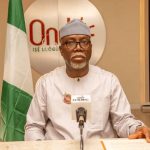
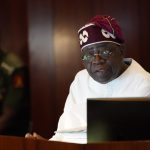
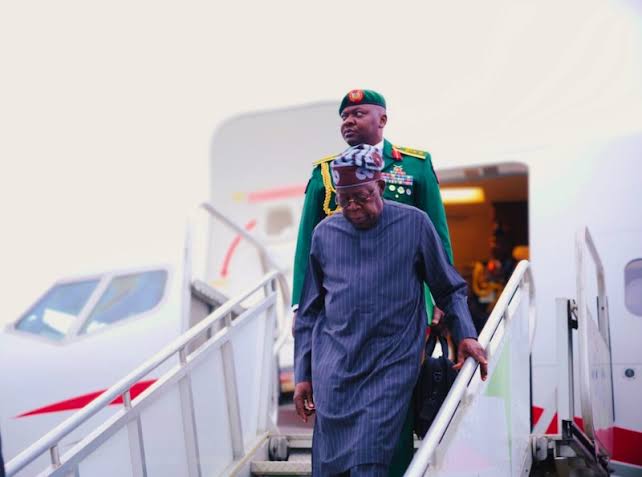



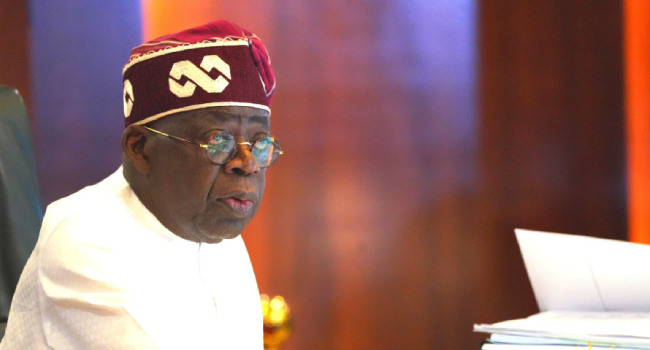
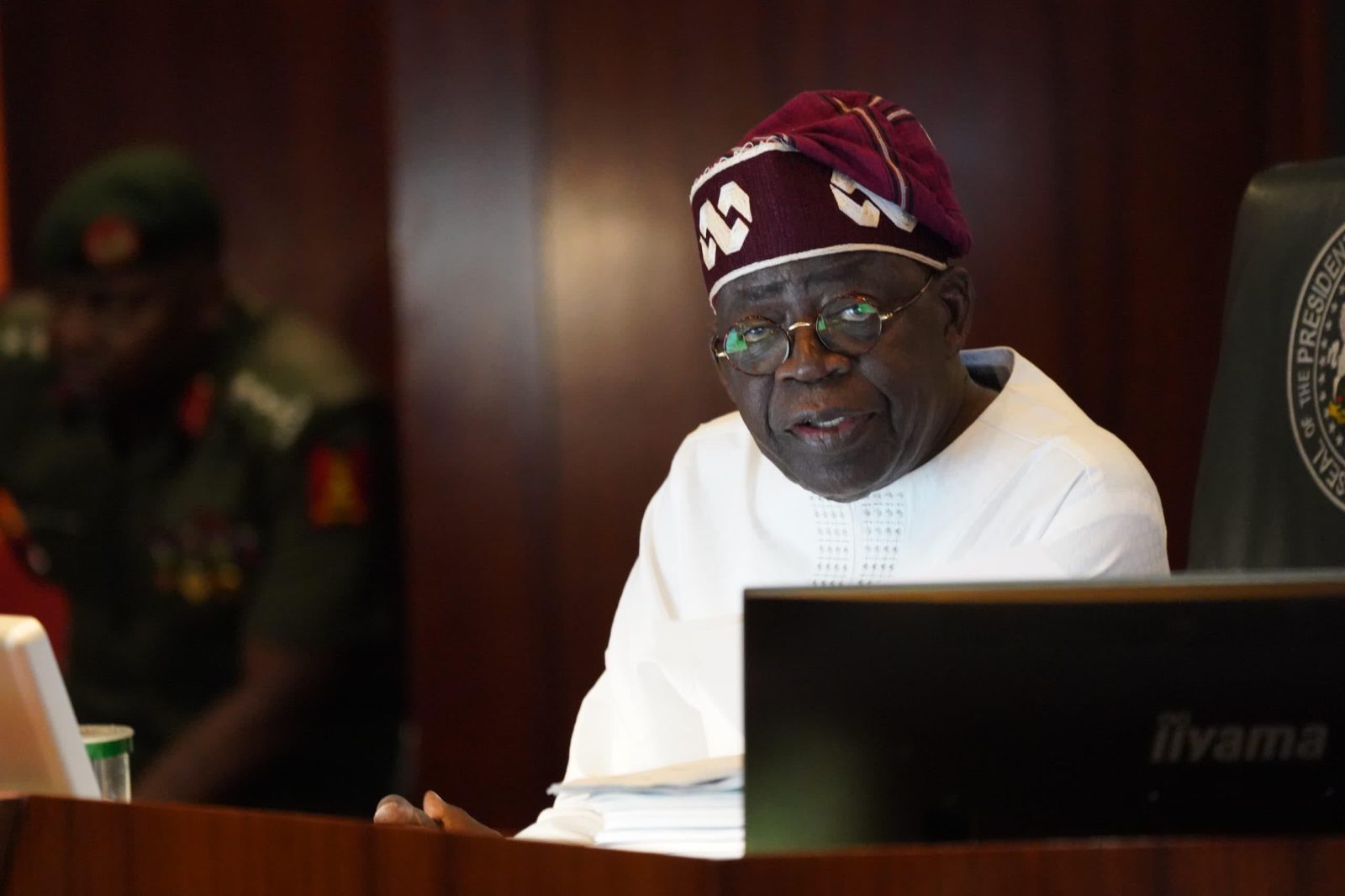
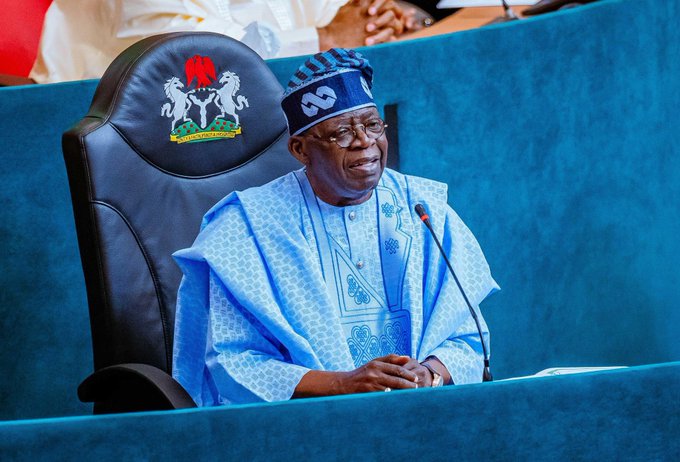
President Bola Tinubu has returned to Abuja after a five-day state visit to Türkiye, where he engaged in high-level diplomatic talks with Turkish President Recep Tayyip Erdoğan.
The President arrived at the Nnamdi Azikiwe International Airport at approximately 8:55 pm, and was received by top government officials
The visit aimed to strengthen economic and security ties between Nigeria and Türkiye, with discussions focusing on trade, investment, energy, education, and defense cooperation.
Multiple bilateral agreements were signed, including a renewed push to achieve a $5 billion trade volume between the two countries.
President Erdogan confirmed that discussions to reach the ambitious trade goal are already underway, fueled by new institutional frameworks.
A key component of this plan is the upcoming Joint Economy and Trade Committee, which Erdogan described as a “critical mechanism” designed to streamline Turkish investment and unlock fresh opportunities in Nigeria.
Erdogan also praised President Tinubu’s investment-friendly posture, noting that the presence of several Nigerian ministers and senior officials in Ankara underscored Nigeria’s seriousness about economic engagement.
The state visit was part of President Tinubu’s efforts to boost Nigeria’s economy and strengthen international partnerships.
The President’s delegation included several ministers and top government officials, underscoring Nigeria’s commitment to deepening relations with Türkiye on security.
On security, Erdogan pledged Türkiye’s support for Nigeria’s fight against terrorism, particularly in the Sahel region.
“Terrorist organisations emerging, particularly in Africa’s Sahel region, unfortunately, pose a threat to the peace of the entire continent.
“We stand by the friendly people of Nigeria in their fight against terrorism under the leadership of President Tinubu,” he said.
Turkey had been battling insurgency for more than four decades and fought against the Kurdistan Workers’ Party (PKK), which led to the death of over 40,000 people.
The PKK eventually surrendered after intensified military pressure, drone strikes, and a call from its leader, Abdullah Öcalan, to end the 41-year conflict.
Author


Leave a comment