












The United States government has announced a significant easing of immigration rules for religious workers, a move expected to bring major relief to Nigerian pastors, priests, imams and other faith-based professionals serving congregations across America.
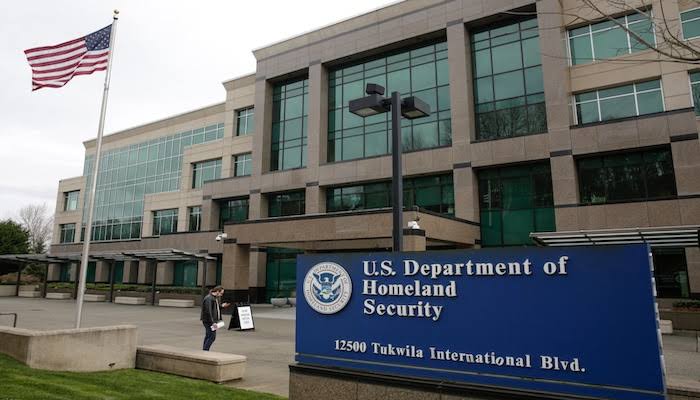
In a policy shift announced by the U.S. Department of Homeland Security and implemented by U.S. Citizenship and Immigration Services, the long-standing requirement that religious workers must remain outside the United States for at least one year before reapplying for a religious visa has been removed.
Per Second News gathered that the change affects holders of the R-1 non-immigrant visa, a category specifically designed for religious workers such as pastors, priests, rabbis, imams, nuns and other recognised religious professionals employed by qualifying U.S.-based religious organisations.
Why this matters for Nigeria
Nigeria is one of the world’s most religiously vibrant countries, with thousands of its clergy and faith workers serving Nigerian-led churches, mosques and religious institutions in the United States. Over the years, the mandatory one-year cooling-off period after the maximum five-year stay under the R-1 visa created severe disruptions for Nigerian-founded churches and Islamic centres in the U.S., many of which depend heavily on Nigerian clergy for leadership, language familiarity and cultural continuity.
Under the old rule, once a Nigerian religious worker completed the maximum five years allowed on an R-1 visa, they were forced to leave the U.S. and remain abroad for at least one year before becoming eligible to apply again. This often left congregations without their leaders and disrupted livelihoods, housing arrangements and ongoing immigration processes.
What the new rule changes
Under the revised policy, R-1 visa holders must still depart the United States at the end of their five-year maximum stay. However, they are no longer required to remain outside the country for a full year before reapplying. Eligible applicants can now seek to return almost immediately, provided they meet all other visa requirements.
DHS officials say the reform is aimed at preventing staffing gaps in religious institutions and ensuring continuity of religious services, especially in communities facing clergy shortages.
Addressing long delays and backlogs
The decision also responds to long-standing backlogs in the EB-4 immigrant visa category, which many religious workers, including Nigerians, use to transition from temporary R-1 status to permanent residency. With visa demand far exceeding supply, many Nigerian religious workers have been forced to leave the U.S. even while their green card applications remained pending.
By removing the compulsory one-year absence, USCIS hopes to reduce uncertainty and hardship for religious workers and their sponsoring institutions.
The policy shift stands out against the backdrop of tighter U.S. immigration controls under the Trump administration, which has introduced stricter vetting and reduced admissions across work, study and family-based visa categories. Analysts describe the R-1 reform as a rare instance of visa liberalisation during an otherwise restrictive period.
For Nigerian religious institutions in the United States, the change offers renewed stability. It allows churches, mosques and faith-based organisations to retain experienced leaders rather than constantly replacing them due to visa constraints.
USCIS is expected to incorporate the new rule into its adjudication process in the coming weeks, with Nigerian religious organisations and applicants closely watching how the policy is implemented in practice.
For many Nigerian clergy serving abroad, the decision brings much-needed predictability, flexibility and hope, ensuring that faith communities remain spiritually anchored without unnecessary immigration disruptions.
Author








Leave a comment