










By Olufemi Soneye
By any measure, the latest expansion of U.S. travel restrictions marks a significant turning point in America’s engagement with Africa, and Nigeria sits uncomfortably at its center.
On December 16, 2025, President Donald Trump signed a presidential proclamation tightening entry restrictions on nationals from countries deemed to have persistent and severe deficiencies in screening, vetting, and information sharing. While some countries now face outright bans, Nigeria has been placed under partial restrictions, a technical term that in practice carries profound human, economic, and diplomatic consequences.
From January 1, 2026, Nigerians seeking business, tourism, student, and exchange visas will face new limitations, higher scrutiny, and far fewer approvals. The proclamation insists this is about security, but for millions of Nigerians, the policy will feel less like protection and more like collective punishment.
Crucially, the proclamation makes clear that no immigrant or nonimmigrant visa issued before January 1, 2026 will be revoked. Nigerians who currently hold valid U.S. visas may continue to travel, study, work, or conduct business in the United States for the duration of their visa validity. In the immediate term, life continues for those already inside the system.
The real disruption begins at the point of renewal or fresh application. Once a current visa expires, Nigerian applicants will face significant limitations on the issuance of new visas in affected categories. Business and tourist visas, student visas, vocational visas, and exchange visitor visas will all be subject to tighter controls, longer processing times, and a far higher likelihood of refusal unless a rare case by case waiver is granted. For many Nigerians, a previously routine renewal process will now become an uncertain and often insurmountable hurdle.
This uncertainty has practical consequences. Students nearing graduation may find themselves unable to renew visas for postgraduate studies or exchange programmes. Professionals on short term assignments may be forced to cut projects short or relocate to third countries. Families that once planned periodic visits will face prolonged separation, not because of individual conduct, but because of nationality.
Nigeria is not a fringe state in global affairs. It is Africa’s most populous country, its largest economy, and one of the United States’ most significant partners on the continent, supplying talent to Silicon Valley, students to Ivy League campuses, doctors to U.S. hospitals, and entrepreneurs to global markets.
Yet under this proclamation, a Nigerian undergraduate admitted to a U.S. university now carries the stigma of systemic corruption in national school systems. A mid career professional invited to a conference in Washington is treated as a potential risk before being seen as a contributor. A family attending a wedding, graduation, or funeral must now overcome hurdles that have little to do with their personal history or intentions.
This is not merely a visa policy. It is a reputational downgrade.
Few sectors will feel the impact more sharply than education. For decades, Nigerian students have formed one of the largest African student populations in the United States, contributing billions of dollars annually to the U.S. economy while strengthening people to people ties.
By restricting student and exchange visas, the proclamation threatens to choke an entire talent pipeline, future doctors, engineers, researchers, and innovators who often return home with skills, networks, and values shaped by American institutions. Universities will lose not just tuition revenue, but intellectual capital. Research collaborations will stall. Diversity in classrooms and laboratories will quietly shrink.
Ironically, this undermines the very soft power the United States has long relied upon to maintain global influence.
For Nigerian entrepreneurs and professionals, the message is equally stark. Business travel to the United States for investor meetings, trade fairs, board engagements, or corporate assignments now comes with uncertainty and delay. Multinational firms employing Nigerians will rethink mobility plans, slow promotions, or redirect opportunities elsewhere.
In a global economy built on speed, trust, and access, restricted movement is restricted opportunity.
Travel bans are never just administrative tools. They are diplomatic statements. By grouping Nigeria alongside countries cited for inadequate vetting and governance failures, Washington sends a signal, intended or not, about confidence in Nigerian institutions.
This will ripple beyond visas. It will influence investor perception, bilateral negotiations, and Nigeria’s broader international standing. While the Supreme Court has affirmed the president’s authority to impose such measures, legality does not equal wisdom.
No serious observer disputes a nation’s right to protect its borders. Effective security policy, however, distinguishes between states and citizens, between systemic risk and individual merit. Blanket restrictions often miss that nuance.
The proclamation itself acknowledges that restrictions can be reviewed, modified, or lifted based on improved cooperation, just as Turkmenistan recently benefited from better engagement. That pathway must now become Nigeria’s priority.
This moment demands more than outrage. It calls for strategic diplomacy, institutional reform, and sustained engagement. Nigeria must aggressively address documentation integrity, data sharing, and identity management systems. Just as importantly, it must communicate these reforms clearly and credibly to U.S. authorities and lawmakers.
Back channel diplomacy, structured lobbying, and diaspora advocacy, especially in Washington, are no longer optional. They are essential.
At its core, this issue is not just about who gets on a plane. It is about fairness, partnership, and the danger of reducing complex societies to security checklists.
When visas become verdicts, it is ordinary people, students, professionals, and families, who pay the price. Nigerians deserve better than to be defined by the weakest links in global systems they did not design.
If America truly seeks security and Nigeria truly seeks respect, both must remember that trust is built through engagement, not exclusion.
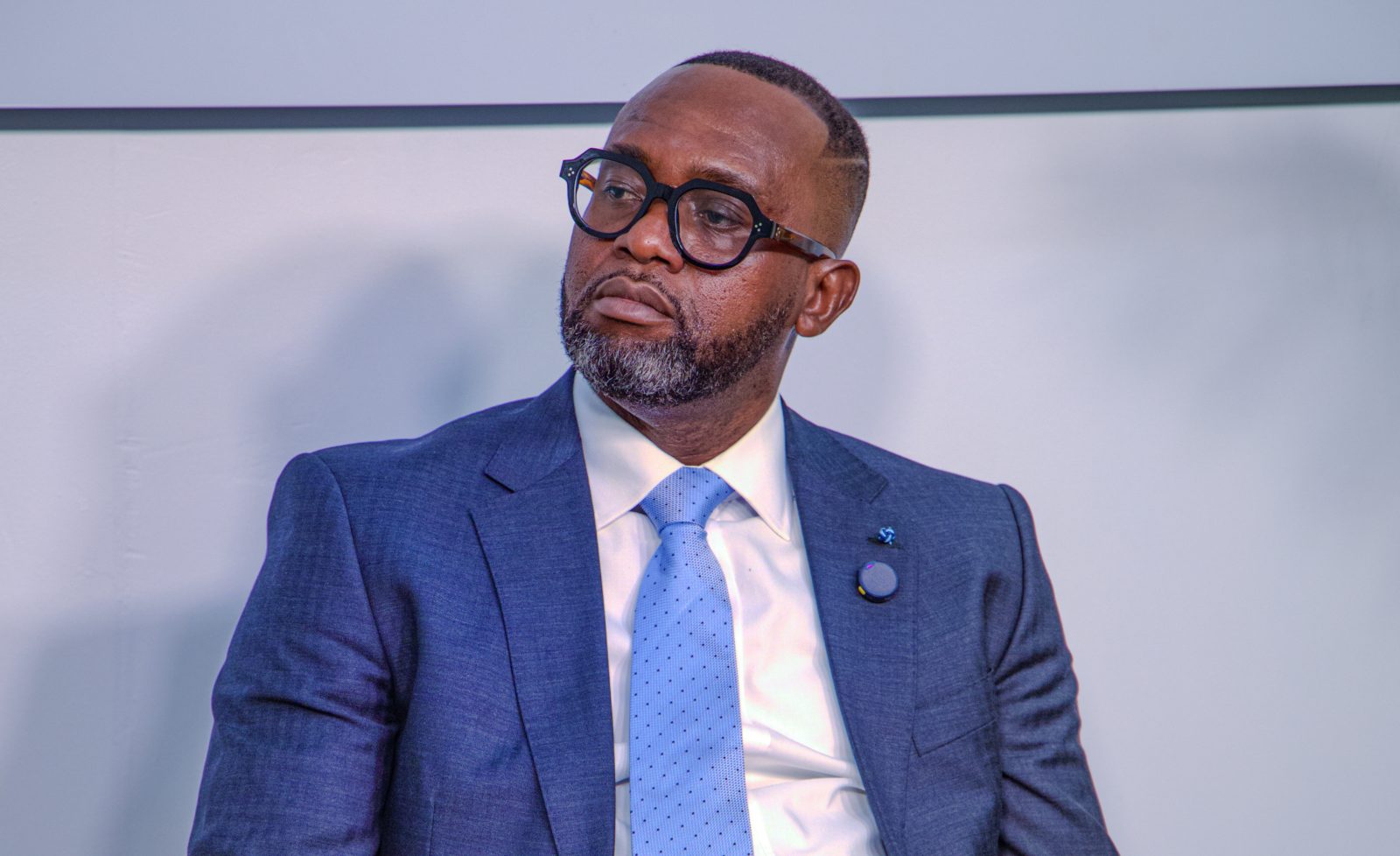
Soneye is a seasoned media executive and strategic communications expert, who previously served as Chief Corporate Communications Officer of NNPC Ltd and also served in the United States Air Force
Author






Leave a comment