











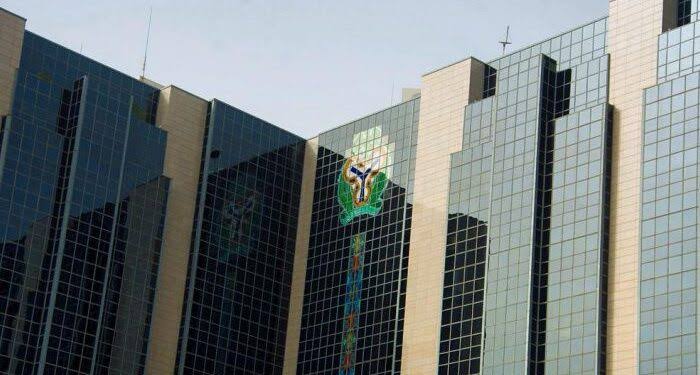



The Central Bank of Nigeria (CBN) has removed the limit on cash deposits and increased the weekly cash withdrawal limit across all channels to N500,000, effective January 1, 2026.
This move is part of the apex bank’s efforts to moderate the rising cost of cash management, address security concerns, and curb money laundering risks associated with the country’s heavy reliance on cash.
“The revisions form part of ongoing efforts to moderate the rising cost of cash management, address security concerns, and curb money laundering risks associated with the country’s heavy reliance on cash,” the CBN stated in a circular.
The apex bank noted that previous cash-related policies were aimed at reducing cash usage and promoting electronic payment channels.
However, the need to update these provisions to reflect present-day realities have become necessary.
“The cumulative deposit limit has been removed, and the fee previously charged on excess deposits will no longer apply,” the apex bank added.
The new guidelines also stipulate that withdrawals above the thresholds will attract excess withdrawal charges of 3% for individuals and 5% for corporate customers, shared between the CBN and operating banks.
The special monthly authorisation for individuals and corporates has been abolished.
For Automated Teller Machines (ATMs), daily withdrawal remains capped at N100,000 per customer, with a maximum of N500,000 weekly.
The CBN directed banks to load all currency denominations in ATMs and render monthly returns to the relevant supervisory departments.
Under the new rules, embassies, diplomatic missions, and aid-donor agencies have lost the exemptions they previously enjoyed.
Meanwhile, certain entities remain exempt, specifically: revenue-generating accounts of federal, state, and local governments, alongside accounts held by microfinance banks and primary mortgage banks.
Author









Leave a comment