








By Joycelyn Ellakeche Adah, Abuja
A high-stakes question took the centre stage in Abuja on Thursday at a key power stakeholders conference: “Should Nigerians actually be paying for electricity?”
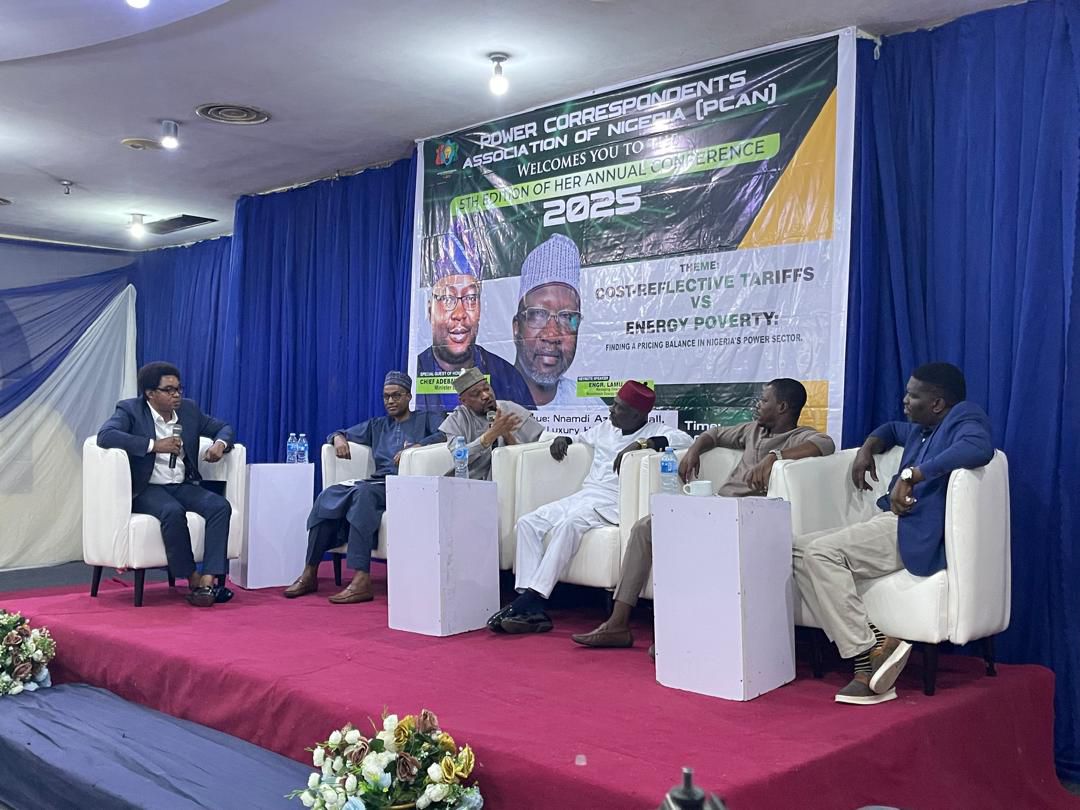
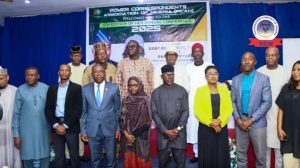
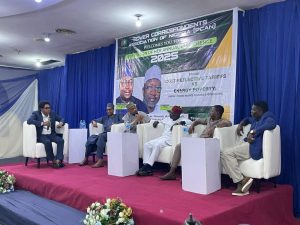
This critical question formed the core of the 5th Annual Power Correspondents Association of Nigeria (PCAN) Conference, held at the Nicon Luxury Hotel.
The event brought together industry heavyweights to debate the sector’s central challenge: finding a tariff sweet spot that can keep the power system operational without bankrupting ordinary citizens.
Speaking on behalf of the Managing Director of the Nigerian Independent System Operator (NISO), Engr. Abdu Bello Mohammed, Engr. Lamu Audu (Managing Director of Mainstream Energy Solutions Limited and NISO Board member) kicked off the discussion by calling tariff setting the “heartbeat of the power sector.”
He explained that what people pay for power determines whether electricity companies can stay in business, whether investors keep faith with the industry, and whether households can stay connected.
But that balance, Audu said, has never been easy to strike.
“Despite years of tariff reviews, the sector still struggles with debts, poor infrastructure, and unreliable supply,” he said.
According to Audu, non-cost-reflective tariffs—driven by political and social pressure—starve the power sector of funds. This financial deficit, in turn, cripples the industry’s ability to upgrade infrastructure and improve service delivery.
“The real question isn’t whether Nigeria needs cost reflective tariffs, it’s how to achieve them without making life harder for people who are already struggling,”
He suggested better targeting of subsidies to support low income households, tighter control of power losses, and greater openness in how the market operates.
The MD also said NISO is improving how the grid is managed by investing in digital tools that make energy flow and settlements more transparent.
“While the tariff framework provides a transparent methodology based on key variables such as exchange rate, inflation, and gas price, political and social considerations have often led to tariffs that remain below actual cost levels”.
Persecondnews reports that earlier, the Chairman of Power Correspondents Association of Nigeria, Obas Esiedesa, had set the tone for the discussion, describing the theme of this year’s conference as both “timely and necessary.”
He reminded participants that, more than 10 years after privatization, Nigeria’s power sector is still burdened by huge debts, gas shortages, and weak transmission infrastructure.
The result, he said, is that millions of Nigerians remain without access to reliable electricity.
“About 85 million Nigerians still don’t have power from the grid, that’s nearly half the country,” Esiedesa said.
“Those who do often face poor service and high bills. The issue isn’t whether we need cost-reflective tariffs, it’s how to make them fair and realistic.”
Esiedesa praised journalists covering the power sector, describing them as vital in holding institutions accountable and shaping public understanding of how the system works.
Participants at the conference included representatives of the Transmission Company of Nigeria (TCN), Nigerian Bulk Electricity Trading (NBET), Abuja Electricity Distribution Companies (AEDC), Nigerian Electricity Management Services Agency, Generation Companies (GenCos), consumer advocacy groups, and development partners.
In their goodwill messages, representatives from the various agencies and companies in the power sector congratulated PCAN for sustaining an independent platform for dialogue over the years.
Persecondnews also reports that the association was lauded for enhancing accountability and informed reporting.
Journalists were urged to continue using their platform to bridge communication between policymakers, operators, and the public.
Many described the annual conference as a vital space for honest conversation and collaborative problem-solving in Nigeria’s power sector.
Author





Leave a comment