






By Maryanne Awuya
The Federal Government has introduced new strategies to diversify the economy and boost the creative sector’s contribution to Nigeria’s GDP to $100 billion by 2030, with the goal of creating over three million jobs.
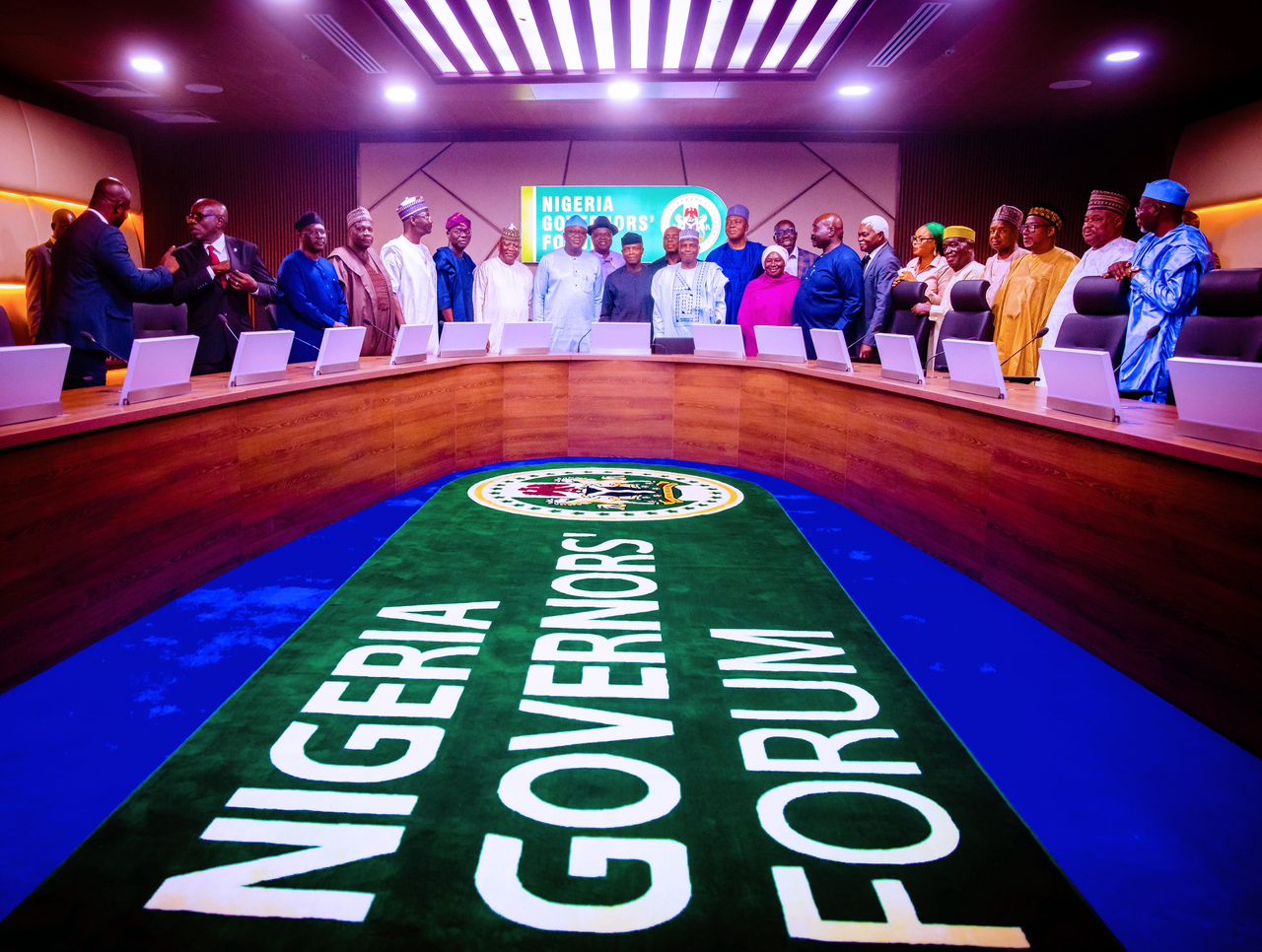
During a meeting held late Wednesday, August 27, in Abuja, with the 36 state governors of the Nigeria Governors’ Forum (NGF), the government revealed several key initiatives.
These include a $200 million Creative Economy Development Fund and a $1 billion Creative and Tourism Infrastructure Corporation.
Additionally, flagship projects such as the Lagos Arena, Abuja Creative City, and Renewed Hope Cultural Villages were announced.
In a communiqué released on their official X account on Thursday, August 28, and signed by NGF Chairman and Kwara Governor AbdulRahman AbdulRazaq, the governors pledged their full support for the initiative, calling it crucial for the growth of Nigeria’s creative economy and tourism sectors.
The communiqué reads: “The forum received a presentation from the Minister of Arts, Culture, Tourism and Creative Economy, Hannatu Musawa, represented by Mr. Obi Asika, Director-General of the National Council for Arts and Culture. The roadmap targets a GDP contribution of $100 billion by 2030 and the creation of over three million jobs.
“Other key initiatives include the $200 million Creative Economy Development Fund, the $1 billion Creative and Tourism Infrastructure Corporation, and projects such as the Lagos Arena, Abuja Creative City, and Renewed Hope Cultural Villages.
“Governors commended the reforms to strengthen intellectual property, expand tourism, and elevate Nigeria’s global presence. They resolved to collaborate through State Creative Economy Desks, co-created festivals, and adoption of the Naija Season Platform.”
Persecondnews recalls that the Federal Executive Council(FEC) recently approved the establishment of the Creative and Tourism Infrastructure Corporation under a Public-Private Partnership (PPP) model.
The corporation is expected to drive investments, unlock the industry’s potential, and position Nigeria’s creative and tourism sectors for global competitiveness.
Author







Leave a comment