















By Maryanne Awuya, Abuja
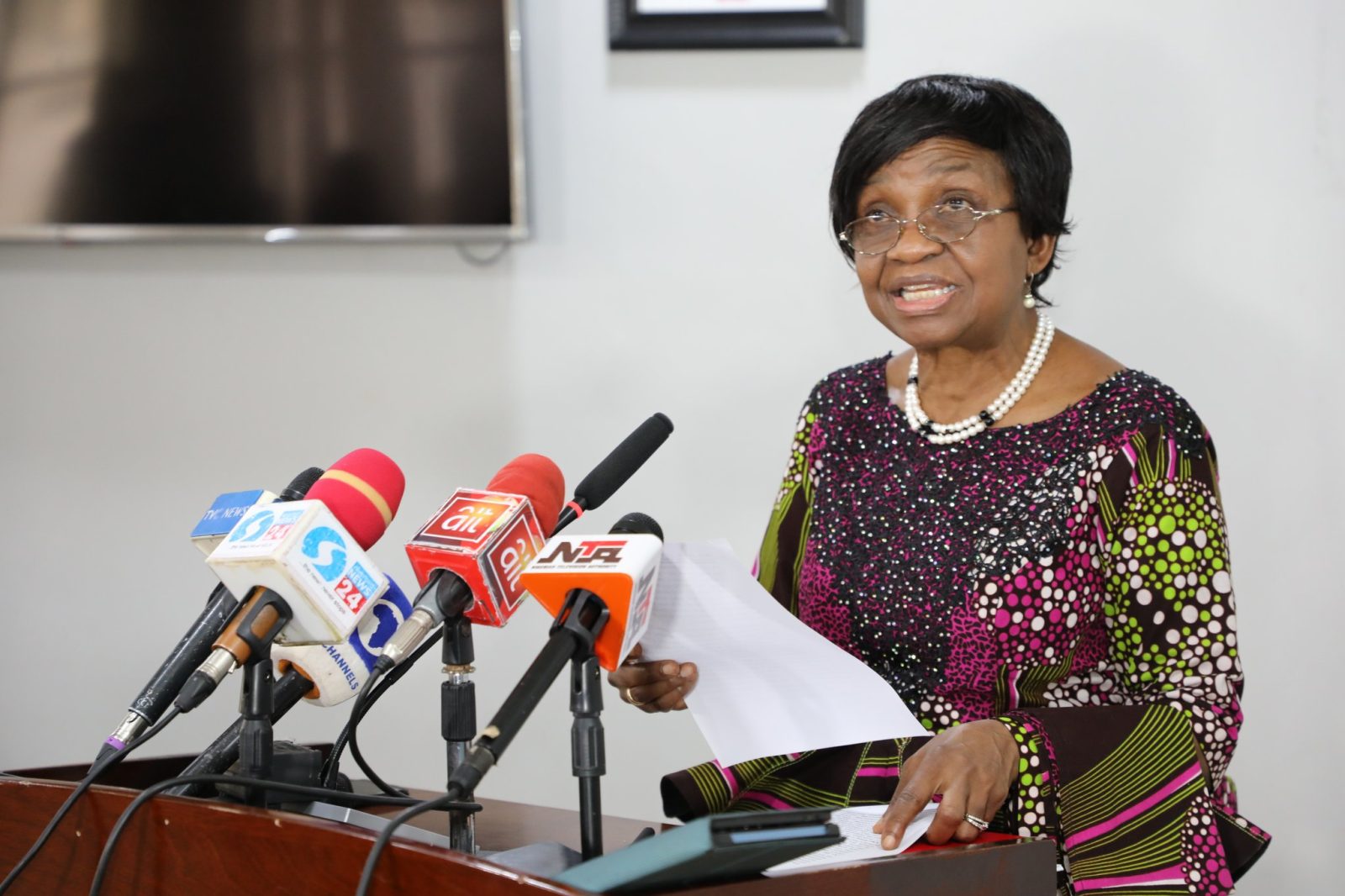
Prof. Mojisola Adeyeye, Director-General of NAFDAC, has reiterated that genetically modified foods (GMOs) are safe for human consumption provided they adhere to safety standards.
In an interview on Channels Television monitored by Persecondnews, Adeyeye addressed the ongoing debate about GMOs in Nigeria, aiming to alleviate growing public concerns regarding their consumption and regulation.
She said: “GMOs are not bad for us. It depends on the type of food and whether safety considerations have been met.”
Adeyeye explained that the National Biosafety Management Agency(NBMA) is the body mandated to ensure the safety of GMO products, whilst NAFDAC collaborates with them to ensure food quality.
“We have an MoU with the Biosafety Management Agency. They certify that GMO foods are safe before NAFDAC can approve them for the market,” she said.
Adeyeye, who described herself as a “food freak,” urged consumers to check food labels for GMO indications and reassured Nigerians that all approved products are subject to rigorous evaluation.
“Our goal at NAFDAC is to ensure that the food we approve is safe, of good quality, and efficacious.”
Persecondnews reports that the NBMA has approved several GMO crops for commercial use, including Bt cotton, Bt cowpea and Tela maize.
Despite NAFDAC’s assurance, many Nigerians remain wary of genetically modified foods (GMOs), feeling the approvals were rushed and lacked public consultation.
While international bodies like the World Health Organization (WHO) and the Food and Agriculture Organization (FAO) deem GMOs safe, citizens are calling for independent, country-specific research.
Public concerns center on potential health risks like allergic reactions, long-term health effects, and the development of antibiotic resistance.
Critics also worry about the environmental impact, including the loss of biodiversity, genetic contamination of local seeds, and an increased reliance on pesticides.
Furthermore, some experts fear that GMOs could empower large biotechnology corporations, potentially displacing small farmers and threatening Nigeria’s food sovereignty.
Author









Leave a comment