












By Joycelyn Ellakeche Adah, Abuja
Major Players in the downstream oil and gas sector have raised alarm over Dangote Refinery’s forward integration strategy, which they fear could lead to job losses, business closures, and economic instability.
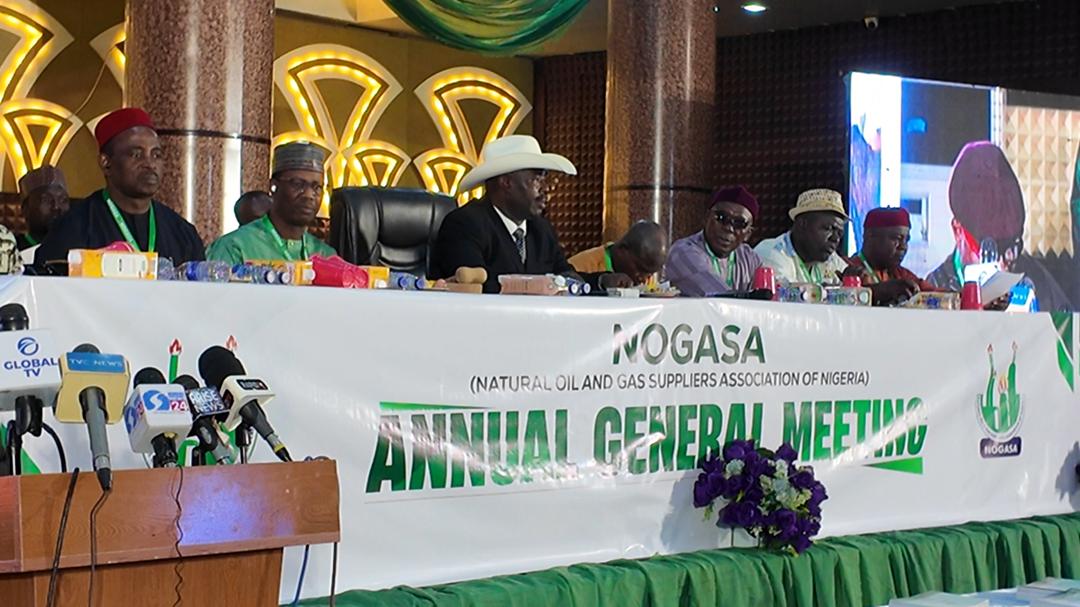
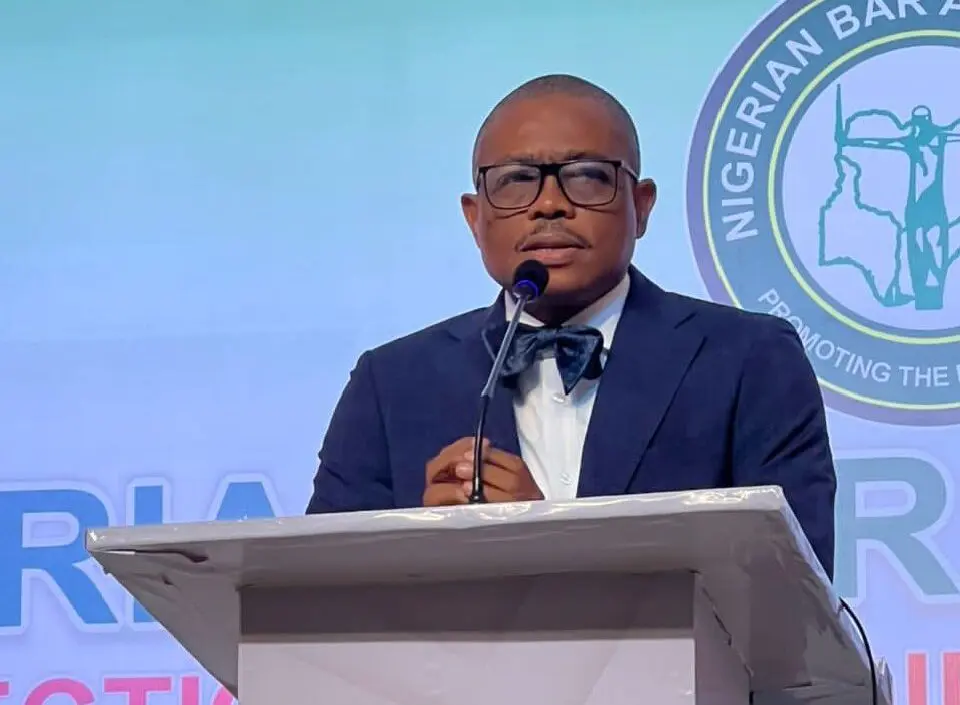
At the Annual General Meeting (AGM) of the Nigerian Oil and Gas Suppliers Association (NOGASA) in Abuja, its President, Benneth Korie warned that the decision by Dangote Refinery to bypass marketers and sell directly to end consumers amounts to vertical encroachment that could dismantle the existing downstream distribution network.
“We are calling on President Bola Ahmed Tinubu to intervene in this matter by telling Dangote to slow down and play by the rules of the game,” Korie said.
“We are not against Dangote Refinery, but we need to advise him on how this business runs, he cannot do it alone.”
Korie said NOGASA and other marketers support the refinery’s entry into the market because it boosts domestic refining and reduces fuel import dependence.

He, however, cautioned that direct to customer sales could trigger a chain reaction, among others widespread job losses among depot operators, truck drivers, and retail workers
Business shutdowns for independent marketers and service providers
Rising poverty and insecurity in communities reliant on the downstream economy

He cited the Nigerian National Petroleum Company Limited (NNPCL) experience, where the launch of NNPC retail outlets eventually contributed to the collapse of NNPC’s own refineries, as a cautionary tale.
“We don’t want a repeat of what happened with NNPC. If Dangote supplies directly to customers, the downstream value chain could crumble,” Korie warned.
Despite the concerns, Korie disclosed that NOGASA has not yet met with Dangote Refinery management, but he confirmed receiving information that the refinery is open to dialogue before its planned August 15, 2025 market debut.

Backing NOGASA’s stance, Dr. Billy Gillis Harry, the President of the Petroleum Products Retail Outlets Owners Association of Nigeria (PETROAN), described the situation as a looming “job loss and business shutdown” crisis if Dangote pursues its current strategy.
“If Dangote goes ahead with refining, storing, distributing, and fixing pump prices, the refinery will operate as both a business entity and a regulator.”
Gillis Harry drew parallels with the cement industry, where dominant supply chains still rely on distributors but prices remain high, sometimes above ₦10,000 per bag.
With Dangote Refinery’s capacity now upgraded from 650,000 to 700,000 barrels per day, PETROAN argued that the company should focus on competing with international refineries ratherrather than controlling Nigeria’s downstream distribution.
The unfolding tension highlights a critical crossroads for Nigeria’s energy sector. On one side, Dangote Refinery is celebrated as a national asset capable of eliminating fuel imports, saving foreign exchange, and stabilizing supply.
On the other side, traditional marketers fear exclusion, warning of economic and social fallout if the refinery becomes both producer and distributor.
Analysts say the key lies in dialogue, insisting that without an inclusive distribution framework, Nigeria risks a concentration of market power, which could squeeze out small players and fuel resentment.
But if marketers, PETROAN, and NOGASA successfully negotiate a cooperative model, the country can enjoy both efficiency and market stability.
With the August 15, 2025 supply launch approaching, industry stakeholders and regulators are watching closely.
How Dangote Refinery integrates into the market could define the future of Nigeria’s downstream oil and gas sector for decades.
Author








Leave a comment