









…bill focuses on symptoms, not root cause – Okpara
… it’s impractical, unfair – Onifade
By Daniel Okejeme
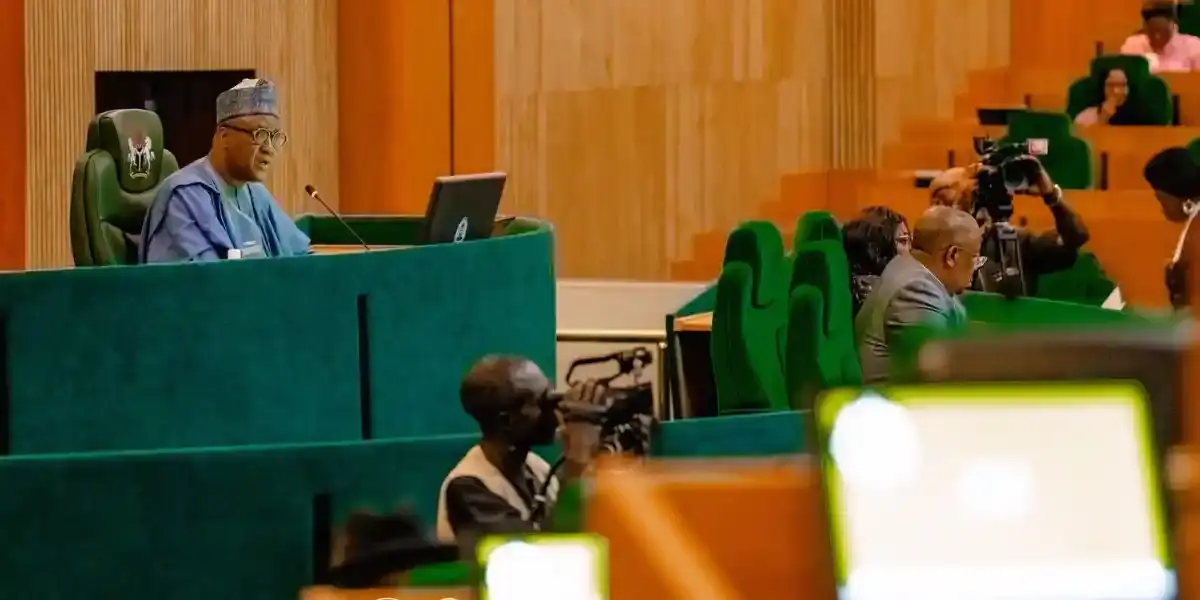
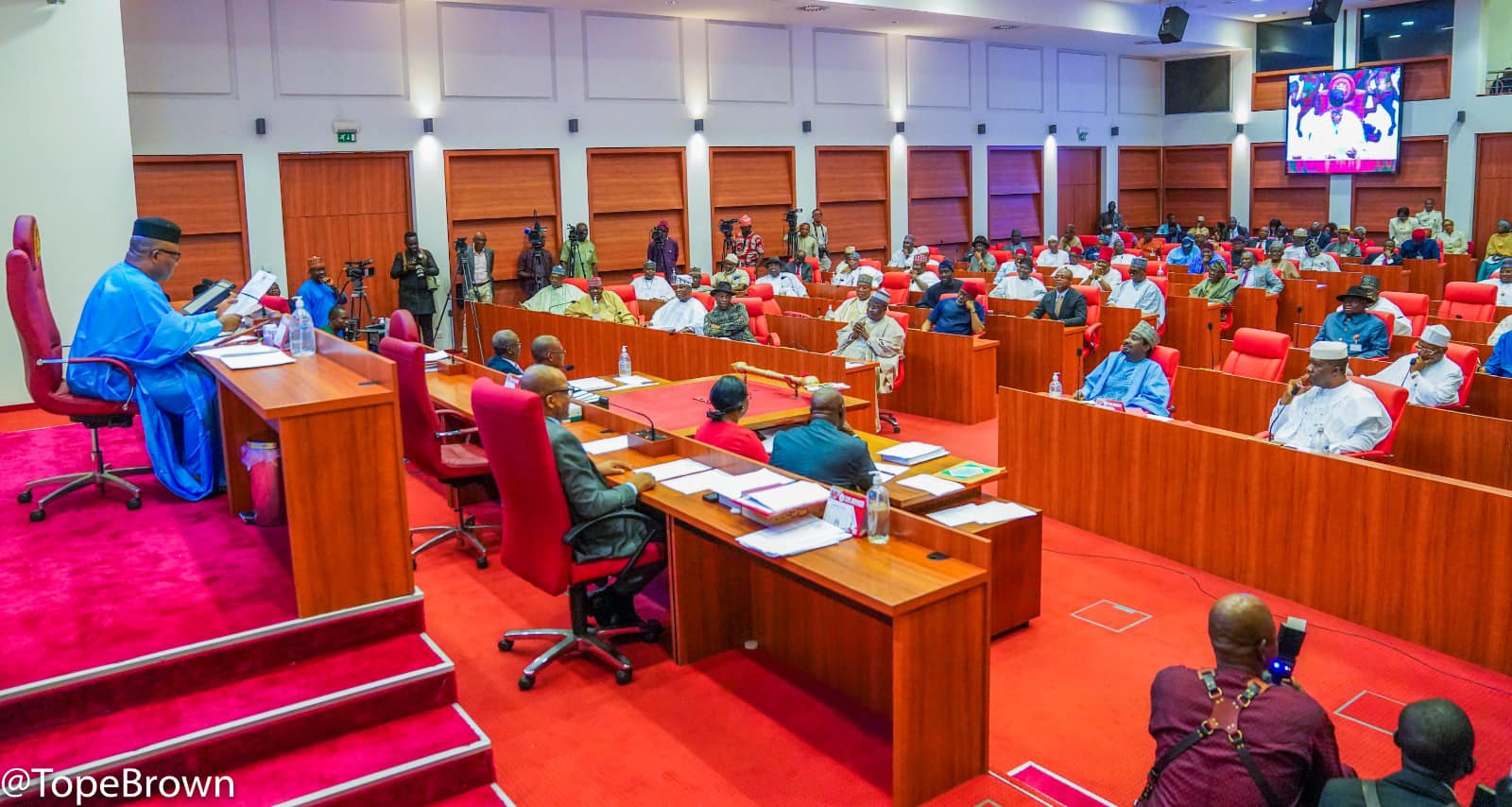
A controversial bill, currently before the National Assembly, seeking to prohibit public and civil servants from using private schools and healthcare services has sparked diverse reactions.
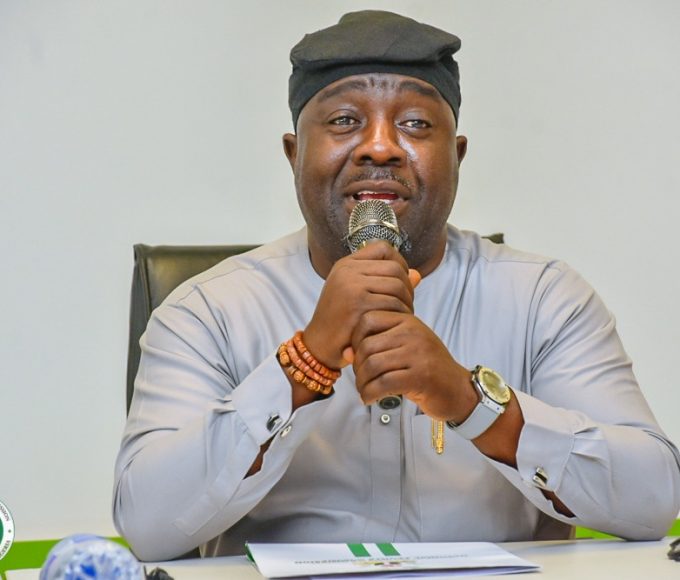
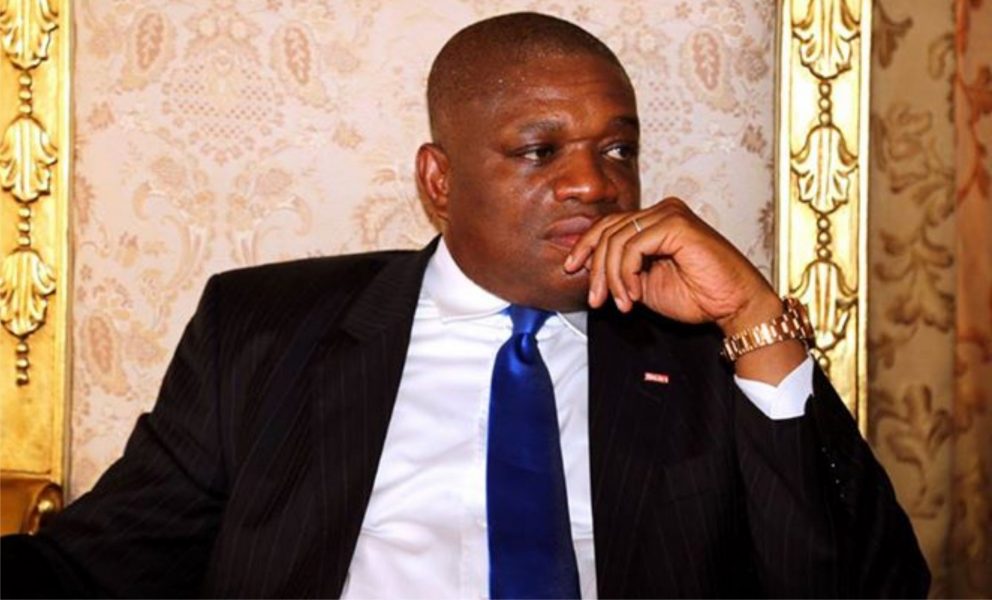
Among its critics are Mr. Paul Erokoro (SAN), Mr Maxwell Okpara, and Mr. Festus Onifade, who spoke exclusively to Persecondnews on Friday in Abuja.
The bill was strongly and roundly condemned as “discriminatory and a violation of people’s fundamental rights.”
The bill, titled “A Bill for an Act to Prohibit Public and Civil Servants from Patronising Private Schools and Health Care Services and for Related Matters (HB 2487),” was sponsored by Honourable Amobi Godwin Ogah, representing Isiukwato/Umunoneochi.
Proponents of the bill in the House of Representatives claim it will help revive confidence in the nation’s public institutions.
“This bill intends to prohibit all public and civil servants, including their immediate family members, from patronising private schools and healthcare services, thereby avoiding conflicts of interest, maintaining public trust, and upholding the highest standards and integrity of these public institutions,” Ogah said while introducing the bill.
But reacting to the bill, Erokoro, condemned the proposed bill, questioning the rationale behind denying civil servants access to private schools and healthcare services when politicians, who are also public officers, often send their own children to top universities abroad and seek international medical care.
Erokoro reflected on Nigeria’s past, recalling a time when the nation was renowned for its excellence.
He cited historical examples, such as the King of Saudi Arabia receiving treatment at the University of Ibadan Teaching Hospital, and noted that even Arab leaders, Europeans, and Americans once sought medical care and education in Nigeria, highlighting the country’s formerly high standards.
He posed the question: if Nigerian politicians and lawmakers had elevated the nation’s healthcare and education systems to international standards, would civil servants still feel compelled to seek alternatives abroad?
The senior lawyer expressed dismay at the deterioration of Nigeria’s once-prestigious status, pointing to the decline of the thriving local football league and textile industry.
He questioned why public officers now favor foreign attire and imported furniture, suggesting a need for a comprehensive strategy to revitalize local industries.
Erokoro stressed that the solution lies in comprehensive national policies, rather than focusing on a single sector or group like civil servants or schools.
He proposed that a national policy promoting the use of locally-made products could be highly effective, emphasizing the importance of leadership by example.
He further suggested that a presidential commitment to wearing only Nigerian-made clothing and prioritizing local manufacturing could set a powerful precedent.
He, however, questioned whether Nigerian elites possess the necessary political will and self-sacrifice to adopt such a policy.
He recalled the “low profile” era under former President Obasanjo’s military rule, characterized by simplicity and frugality, where even the Head of State used modest vehicles like the Peugeot 504.
Erokoro contrasted this with the current prevalence of luxury SUVs and high-end vehicles among government officials.
He shared an anecdote about the American ambassador to Nigeria, who, despite being offered business class tickets, insisted on purchasing economy class tickets for himself and his wife when visiting the state, illustrating a different approach to public service.
He revealed that the ambassador said that his rank did not warrant business class travel, highlighting a stark contrast with some Nigerian officials, such as members of the National Assembly, who reportedly refused to fly economy class when invited by the US State Department.
Erokoro argued that the policy of restricting public servants from sending their children to private schools, while well-intentioned, is flawed, saying a broader effort to overhaul the entire system is required.
“This approach is discriminatory and ineffective in isolation, and that a more comprehensive strategy is needed to promote local participation, improve public schools, and change societal attitudes towards valuing local institutions,” he told Persecondnews.
Erokoro pointed out the inconsistency in Nigerian leaders frequently seeking medical treatment abroad, questioning the message this sends to the public.
He suggested that if a president were to choose to receive treatment locally, it would set a powerful example and likely influence others to follow suit, without the need for legislation.
He acknowledged the potential benefits of a policy promoting public schools, drawing parallels with other countries where public schools are highly regarded.
The learned Silk noted that Nigeria’s perception of private schools has shifted over time and suggested that a broad national policy aimed at improving local institutions could be justified.
Singling out civil and public servants for such a policy could be discriminatory and a violation of their rights, he added.
Also reacting to the bill, Dr. Frank Tietie, an Abuja-based lawyer and Executive Director of Citizens Advocacy for Social and Economic Rights (CASER), who described the bill as “funny”.
The right activist pointed out, for example, that he had been informed that the X-ray machines in the 14 General Hospitals in the Federal Capital Territory were all non-functional, except for those in Kubwa and Nyanya General Hospitals.
According to him, this implies that General Hospitals in Wuse, Asokoro, Garki, and Maitama lack functional X-ray machines.
Tietie, however, said the information’s accuracy relies on the credibility of his sources and is subject to verification.
He said: “We cannot run public institutions with a sense of irresponsibility to the point where a law is needed to prevent public servants from avoiding public schools and hospitals.
“The National Assembly may well consider banning private schools and hospitals altogether.”
On his part, also an Abuja-based lawyer, Mr. Maxwell Okpara, weighed in on the matter, saying the issue is not the action itself, but rather the leadership’s role in setting the tone.
He observed that in countries like America, Britain, and Germany, citizens tend to prioritise their nation’s well-being, whereas in Nigeria, many seem to want to undermine the system.
While acknowledging the potential good intentions behind the bill, Okpara believes it fails to address the underlying issues.
He suggests focusing on the root cause of the problem rather than merely treating the symptoms.
Okpara emphasized the crucial role of leadership by example, arguing that if a leader, such as a local government chairman, expects others to use public services, then they themselves should utilize those same services.
“For instance, a chairman’s children should attend local public schools, allowing the leader to directly monitor the system and ensure its quality.
“By doing so, leaders demonstrate commitment and accountability, rather than sending their own children to private schools while expecting others to rely on public ones.”
He expressed concern that the proposed law could lead some civil servants to resign, prioritizing their children’s education and well-being over their jobs.
Okpara contended that if public institutions, including schools and hospitals, were functioning effectively, there would be less incentive for people to seek opportunities abroad.
He attributed this situation to a lack of trust in the government and its future plans, drawing a parallel to police officers nearing retirement who might engage in questionable behavior due to their limited time left in service.
Sharing his personal experience, Okpara stated that his children attend private schools because he believes the public school system is plagued by frequent strikes and unmotivated, underpaid teachers.
He suggested that civil servants often have alternative income sources and proposed that the solution lies in adequately paying teachers and providing necessary amenities in schools.
Okpara contrasted this with the perceived lack of priority given to education by leaders, suggesting that initiatives to renovate or rehabilitate schools would significantly benefit students currently learning in subpar conditions.
He lamented the decline in the status of civil servants and teachers, noting that in the past, these were considered prestigious professions.
“Now, children aspire to various careers, but rarely teaching, due to its lack of attractiveness.”
Okpara attributed this to poor pay and suggested that better compensation would improve the profession, leading to greater willingness to send children to public schools.
He also reflected on the past, noting that private education was once associated with those who couldn’t afford mainstream schooling, highlighting a significant shift over time.
In a similar vein, Mr. Festus Onifade, another Abuja-based lawyer, argued that a ban on civil servants using private hospitals and schools would be ineffective.
He believes that the claim of civil servants abandoning public services is not a valid justification for such a prohibition.
Onifade pointed out that it is unfair to assume civil servants cannot afford private services, as they may have other sources of income or support.
He also noted the impossibility of proving someone is living beyond their means without knowing their full financial situation.
“Accountability should be based on known information, and elected public servants should be held to a different standard than civil servants,” Persecondnews quotes Onifade as saying.
Author





Leave a comment