











The Federal Government has reaffirmed its commitment to creating an enabling environment for hydrocarbon investments to address energy poverty, emphasizing that Africa is not a net contributor to global emissions.
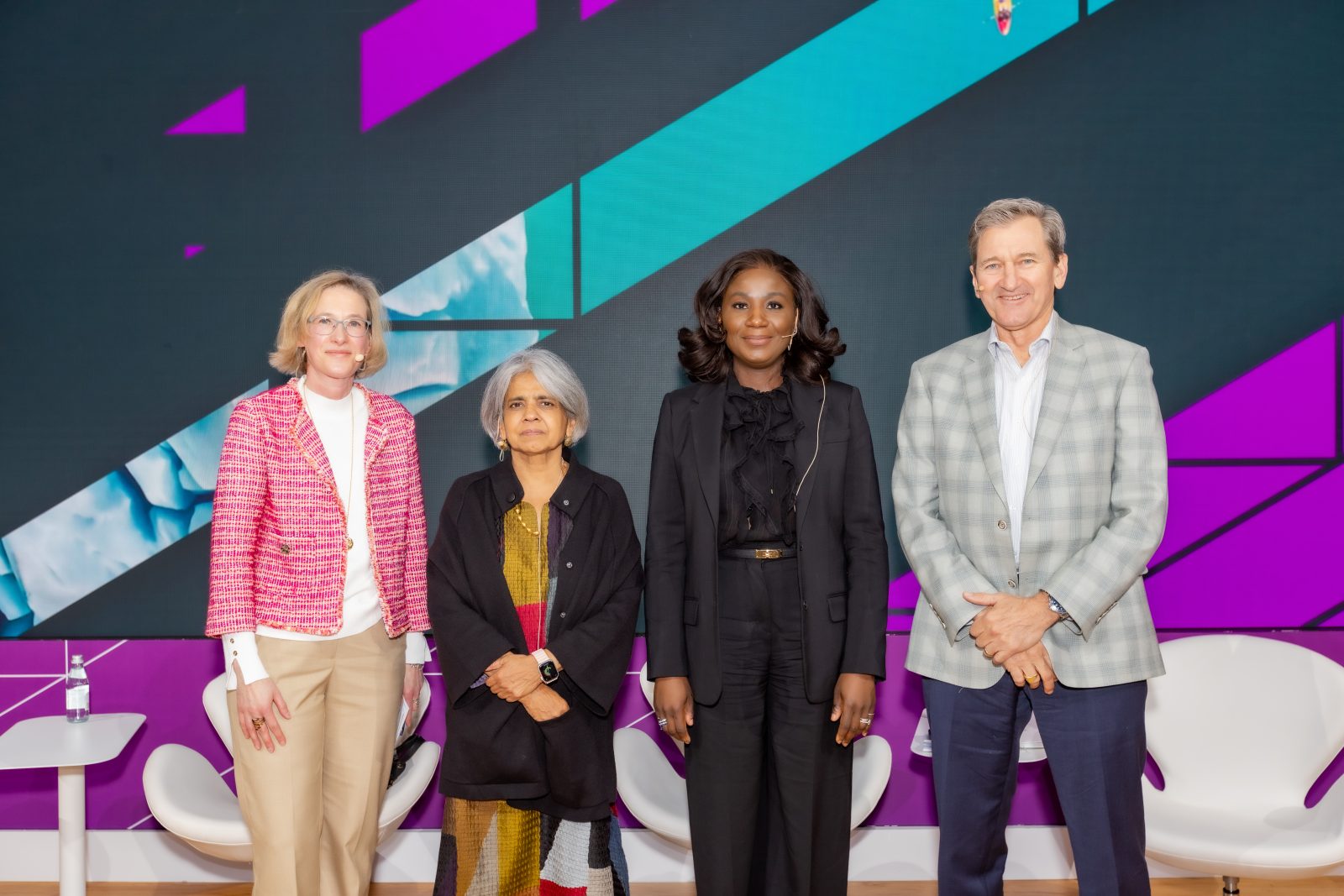
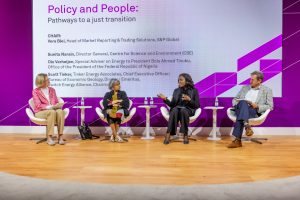
The Special Adviser to President Bola Ahmed Tinubu on Energy, Olu Verheijen, made this statement on Tuesday during a session at CERAWeek by S&P Global, themed “Policy and People: Pathways to a Just Transition.”
The session, chaired by Vera Blei, Head of Market Report & Trading Solutions at S&P Global, featured key speakers including Scott Tinker, CEO of Tinker Energy Association, and Sunita Narain, Director-General of the Centre for Science and Environment.
Nigeria, along with other African and middle-income countries, continues to advocate for a just energy transition amid the global push for net-zero emissions.
Under its “Decade of Gas” initiative, the Nigerian government has adopted natural gas as a transition fuel to support economic growth while reducing carbon emissions.
Verheijen highlighted that Africa and other low-income countries contribute only about 3–4% of global greenhouse gas emissions, in contrast to China and the United States, which account for approximately 30% and 13% of global CO₂ emissions, respectively. Together, both countries are responsible for nearly 40% of global emissions.
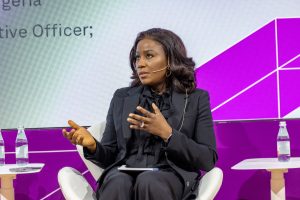
Verheijen emphasized Nigeria’s commitment to fostering a stable investment climate and addressing climate-related risks through clear and transparent policies.
“In Nigeria, we are ensuring that we create an enabling environment for investments. On climate change, we recognize the importance of risk perception in our markets and are committed to transparent policies that stand the test of time, enabling the deployment of capital,” she said.
She also underscored the need for greater regional integration to attract capital and enhance market efficiency.
“We need to strengthen economic integration across African nations to create a larger, more attractive market for investment. By pooling resources, integrating markets, and leveraging collaboration across the continent and regional blocs, we can drive sustainable development,” she added.
Verheijen stressed the importance of better data collection and analysis in Africa to support informed decision-making and policy development.
“Even if Africa experiences exponential economic growth and reaches middle-income status, the continent will still not be a major contributor to global emissions.
“The bulk of emission reductions will have to come from developed nations, which must diversify their energy sources and invest heavily in carbon removal and reduction technologies,” she explained.
She further noted that a balanced approach is necessary to ensure that developing economies can utilize their natural resources to drive prosperity, while also adopting climate solutions that enhance adaptability and sustainability.
Through strategic investments and policy reforms, Nigeria and the broader African continent aim to bridge energy poverty, attract investment, and contribute to a more sustainable global energy transition.
Author







Leave a comment