









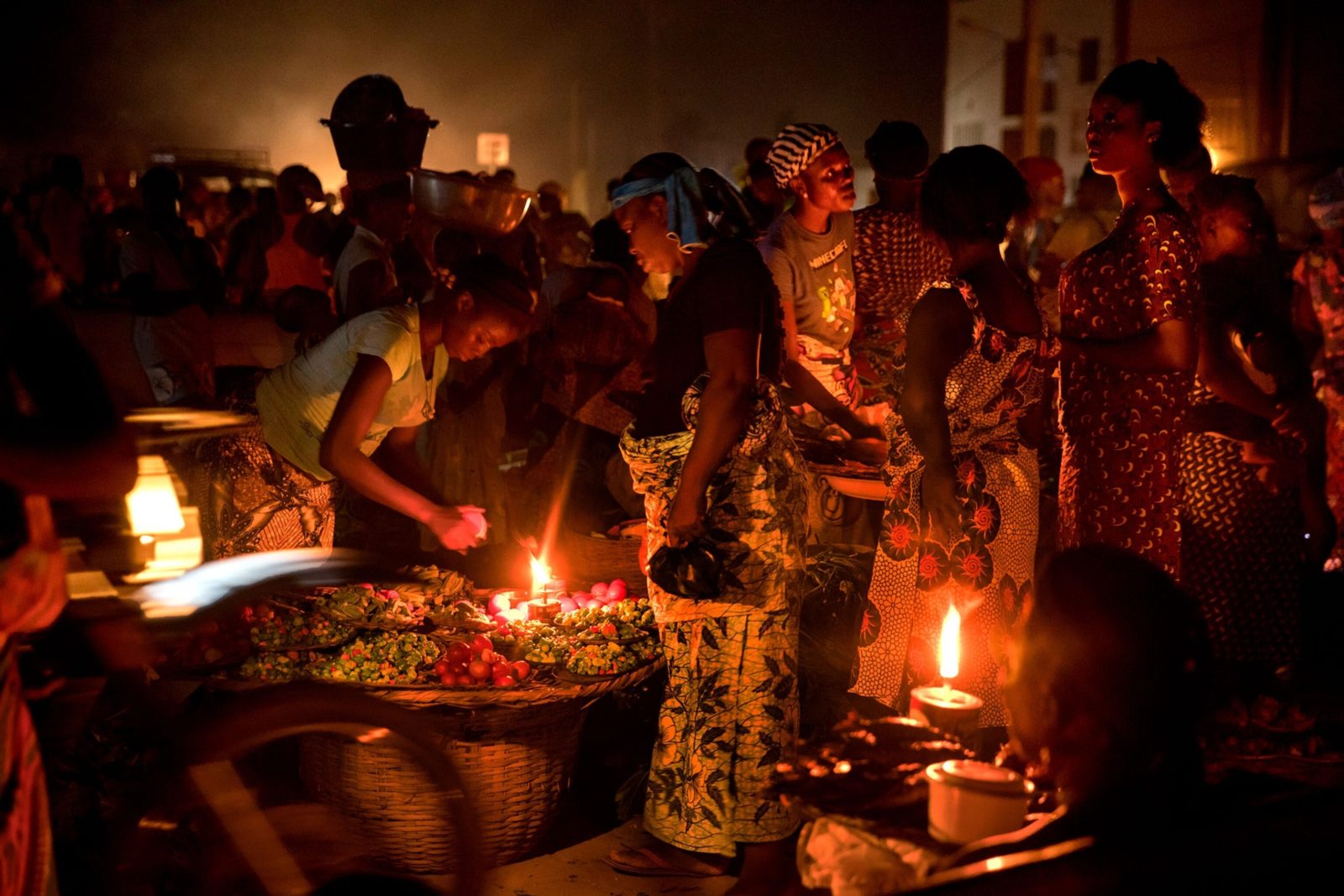



Nearly 600 million people in Africa are likely to remain without electricity by 2030 as the continent continues to grapple with electricity deprivation, the World Bank has disclosed.
According to the global financial institution, the ongoing energy crisis in Africa, coupled with the aftermath effects of the COVID-19 pandemic, continues to threaten access to electricity for many people.
The World Bank made this disclosure in a statement by the Managing Director of Operations, Ms. Anna Bjerde, on Thursday in Abuja.
She said: “Energy access is an excellent example of what can be accomplished. It is also an issue that African leaders have prioritized since 2000, and access to energy has more than doubled across Africa.
“Despite significant investment and progress at the current pace, close to 600 million Africans are likely to remain without electricity by 2030, with two-thirds of those living in countries currently classified as protected.
“Together, we can do better to reach universal electricity access.
“By the end of the decade, the rate of electricity access growth will be triple; this is doable, and the World Bank Group is ready to accompany you in the journey from ambition to reality.”
Bjerde also disclosed that the World Bank has expedited the deployment of existing cash transfer systems, extending assistance to over 50 million individuals in Nigeria.
She noted that a key takeaway from COVID-19 was the importance of a robust delivery system to assist the most vulnerable nations in building resilience to shocks.
She added that the role of the World Bank in Africa, particularly in Nigeria, was more important than ever.
“Whether they be from pandemics, combat, or climate, we accelerated the use of established cash transfer systems to reach more than 50 million people, or 10 percent of the total original population.
“We also supported about 20 million farmers and pastoralists with urgent agricultural inputs.
“The investments that you have all carried out to build robust delivery and targeting systems mean that more can now be done to help the most vulnerable.
“These examples show that transformation and impact are possible if countries decide to create the conditions to convert opportunities into transformation on the continent,” she said.
Persecondnews reports that Nigeria’s Minister of Finance and Coordinating Minister of the Economy, Wale Edun, earlier had a meeting with the World Bank.
According to the minister, the meeting focused on sustainable economic growth in the country.
“This is focusing on the International Development Association (IDA). We are here to discuss the funding of electricity access, social safety needs, digitization, and the general issues that affect poor countries,” he said.
Author



Leave a comment