










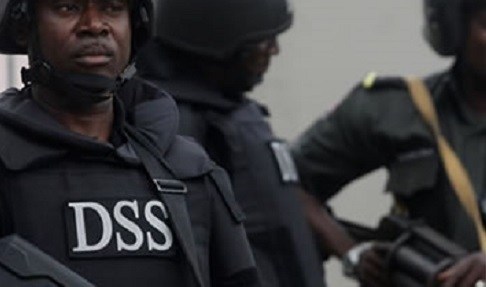



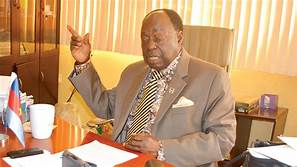
In the wake of indiscriminate arrests and house raiding by the Department of State Services (DSS) in Nigeria, a Senior Advocate of Nigeria, Chief Afe Babalola, has said that the DSS has no right to arrest people.
Babalola, who featured on Channels Television network, said:“The DSS’ constitutional job description is to gather information that might threaten the sovereignty and security of the nation which they relay to the President.
“The DSS duty in law is merely to gather information and give it to the President and all that. They are not to arrest.’’
It will be recalled that the DSS had in July arrested Omoyele Sowore, the publisher of SaharaReporters and convener of the #RevolutionNow protests.
Few years ago under the first tenure of President Muhammadu Buhari, the DSS also raided the homes of judges and Supreme Court justices in some parts of the country, alleging that they stashed millions of naira and foreign currencies at home suspected to be proceeds of corrupt enrichment.
The cases are at different levels of prosecution in the courts by the federal government for alleged corruption.
The DSS had also procured a court order to detain Sowore for 45 days, an action which has attracted condemnation from the Pan-Niger Delta Forum, (PANDEF), the Socio-Economic Right and Accountability Project (SERAP), Mr Femi Falana (SAN), Mr Mike Ozekhome (SAN) and the European Union (EU) among others.
They described it as a misplaced display of superfluous power by the Federal Government.
Ozekhome had called for the unconditional release of the presidential candidate of the African Action Congress in the 2019 presidential poll, Sowore, which he described as unjust, immoral and uncalled for.
The EU on its part said “protests remained a cardinal part of democracy as long as they were peaceful’’.
Babalola, who was ex-President Olusegun Obasanjo’s attorney, also queried President Buhari over the raid of judges’ homes carried out by DSS operatives in 2016 for allegedly receiving intelligence that some judges had stashed large sums of foreign currencies in their homes.
On the effects of the raids, Babalola said the raid had created fear in some judges in delivering judgment without fear or favour particularly in litigations involving the government and its cronies.
“The law has outlined ways of dealing with erring judges.
“There are rules, laws of dealing with judges when they commit an offence. That has not been followed,’’ he said.
Author








Leave a comment